This Post Contains Affiliate Links. Please Read Our Disclosure for Full Information.
If you’ve ever found yourself saying, “Can you say mama?” for the hundredth time while your toddler happily points at a snack instead, you’re definitely not alone! 😂💕
Watching your little one learn to communicate is one of the most exciting parts of parenting. From those adorable first words to funny little conversations, every new sound and gesture feels like a milestone worth celebrating.
But here’s the good news: you don’t need expensive learning toys or complicated lessons to encourage toddler talking.
Some of the best language-learning opportunities happen during everyday activities like mealtime, bath time, reading books, and playing together.
These 21 everyday activities to encourage toddler talking are simple, playful, and easy to include in your daily routine.
Whether your toddler is just beginning to use words or starting to put short sentences together, these ideas can help create more opportunities for listening, understanding, and communicating.
Ready to turn ordinary moments into fun language-learning experiences? Let’s get started! 🥰
1. Talk Through Your Morning Routine
Your toddler’s morning routine is full of natural opportunities to learn new words.
While getting dressed, brushing teeth, or washing hands, describe what you’re doing using simple language.
Say things like “Blue shirt on!” or “Let’s wash your hands.”
These little conversations help your toddler connect familiar words with everyday actions.
✨ Talking Tip: Speak slowly and naturally, then pause to give your toddler a chance to respond with a word, sound, gesture, or expression.
Shop toddler morning routine charts on Amazon.

2. Read Colorful Picture Books Together
Reading together is one of the simplest ways to introduce new vocabulary.
Choose books featuring familiar objects, animals, vehicles, and everyday activities.
Point to pictures and name what you see. If your toddler points to a dog, you might say, “Dog! The dog is running!”
You don’t have to read every word on every page.
✨ Talking Tip: Follow your toddler’s interests. If they want to look at the same picture repeatedly, that’s completely fine!
Shop toddler picture books on Amazon.


3. Sing Nursery Rhymes With Hand Movements
Toddlers often love songs with repetitive words and playful movements.
Sing familiar nursery rhymes while clapping, waving, or making simple gestures.
Repetition gives your toddler opportunities to recognize sounds and eventually join in with words or actions.
And yes, you might end up singing the same song fifteen times. Welcome to toddler life! 😂
✨ Talking Tip: Pause before a familiar word in the song and wait. Your toddler may fill it in with a sound, gesture, or word.
Shop toddler nursery rhyme books on Amazon.

4. Name Foods During Snack Time
Snack time is practically a built-in vocabulary lesson.
As you prepare food, name familiar items like banana, apple, cracker, or milk.
You can also introduce descriptive words such as crunchy, soft, sweet, and cold.
Keep the conversation relaxed instead of turning every bite into a quiz.
✨ Talking Tip: Offer two suitable choices and name them: “Apple or banana?” Accept pointing or gestures as communication, too. Always supervise eating and prepare food to reduce choking risks.
Shop toddler divided snack plates on Amazon.

5. Play With Animal Figurines and Make Sounds
Animal play is a fun way to introduce sounds and simple words.
Use large, age-appropriate animal toys and make familiar sounds like “moo,” “baa,” and “woof.”
You can also describe actions: “The cow is eating” or “The dog is sleeping.”
Animal sounds can be easier for some toddlers to imitate than longer words.
✨ Talking Tip: Celebrate any attempt to communicate without demanding perfect pronunciation. Avoid toys with small detachable parts.
Shop toddler animal figurines on Amazon.

6. Practice Words During Bath Time
Bath time is full of exciting words and actions.
Talk about water, bubbles, cups, ducks, and splashing while your toddler plays.
Use simple phrases like “Pour water,” “Duck floats,” or “More bubbles!”
These everyday experiences help your child connect language with what they’re seeing and doing.
✨ Talking Tip: Repeat a few useful words naturally throughout bath time. Always stay within arm’s reach and never leave a toddler unattended in water.
Shop toddler bath toys on Amazon.

7. Play Peekaboo and Use Simple Words
Peekaboo isn’t just adorable—it’s also a lovely opportunity for back-and-forth communication.
Cover your face briefly with your hands and say, “Where’s Mommy?”
Then reveal your face and say, “Here I am!”
Your toddler may respond with laughter, gestures, sounds, or words.
✨ Talking Tip: Pause before revealing your face so your toddler has an opportunity to anticipate what happens next.
Shop toddler peekaboo board books on Amazon.

8. Describe What You See During Walks
A simple neighborhood walk can turn into a wonderful language-learning adventure.
Point out dogs, trees, flowers, cars, birds, and other interesting things.
Use short sentences like “Big truck!” or “The bird is flying!”
Let your toddler show you what catches their attention.
✨ Talking Tip: Follow your child’s gaze or pointing instead of constantly directing their attention to something else.
Shop toddler outdoor exploration toys on Amazon.

9. Encourage Talking With Pretend Kitchen Play
Pretend kitchen play creates so many opportunities for everyday vocabulary.
Use toy food, plates, cups, and cooking utensils to act out simple activities.
Say things like “Cook soup,” “Pour tea,” or “Yummy apple!”
Your toddler can participate through actions, gestures, and eventually more words.
✨ Talking Tip: Model short phrases that match your toddler’s current communication level. Let them lead the pretend play.
Shop toddler pretend kitchen play sets on Amazon.

10. Use Building Blocks to Practice Action Words
Building blocks are great for introducing simple action words.
As your toddler stacks blocks, describe what they’re doing: “Stack up,” “Big tower,” or “It fell down!”
You can also introduce colors, shapes, and size words.
The excitement of building and knocking things down makes the interaction feel playful.
✨ Talking Tip: Repeat useful words like up, down, more, and again during play. Choose large blocks appropriate for your child’s age.
Shop toddler building blocks on Amazon.

11. Play a Simple Body Parts Naming Game
Your toddler’s own body is a fantastic learning tool.
Point to your nose and say “Nose!” Then point to your ears, hands, feet, and tummy.
You can make the activity silly by pretending to forget where your nose is.
Your toddler may enjoy pointing, copying your movements, or trying the words.
✨ Talking Tip: Start with just two or three familiar body parts and gradually introduce more as your child becomes interested.
Shop toddler body parts learning books on Amazon.

12. Give Simple Choices Throughout the Day
Offering choices encourages toddlers to communicate what they want.
Instead of automatically handing your child a toy, offer two options.
You might ask, “Ball or car?” while showing both items.
Your toddler can respond by looking, reaching, pointing, signing, or saying a word.
✨ Talking Tip: Name their choice naturally: “You picked the ball!” Avoid withholding food, comfort, or needed items until your child speaks.
Shop toddler choice board cards on Amazon.

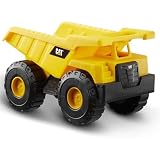
13. Play With Toy Cars and Practice Sounds
Toy cars make a fun language activity for toddlers who love vehicles.
Push a car across the floor and say “Vroom!” or “Go car!”
You can introduce words like fast, slow, stop, and go while taking turns.
Keep the activity playful and let your toddler explore.
✨ Talking Tip: Use exaggerated but natural expressions and pause before saying “Go!” to invite participation.
Shop large toddler toy cars on Amazon.
14. Encourage Words During Laundry Time
Laundry might not sound exciting, but toddlers love being included in everyday household activities.
Give your child a few clean socks or washcloths and talk about their colors and textures.
Say things like “Blue sock,” “Soft towel,” or “Put it in.”
It’s a simple way to introduce language while getting things done.
✨ Talking Tip: Let your toddler help with safe, age-appropriate tasks away from laundry machines, detergents, and other hazards.
Shop toddler laundry sorting baskets on Amazon.

15. Use Puppets for Simple Conversations
Puppets can make talking feel like a fun game.
Use a soft hand puppet to say “Hello!” or ask simple questions like “Where’s the ball?”
Your toddler may respond more enthusiastically when a playful character is involved.
You can also act out familiar routines such as eating, sleeping, and waving goodbye.
✨ Talking Tip: Keep puppet conversations short and give your child plenty of time to respond in their own way.
Shop toddler hand puppets on Amazon.

16. Look at Family Photos and Name People
Toddlers often love looking at pictures of familiar faces.
Create a small photo album featuring parents, siblings, grandparents, and other important people.
Point to each picture and say their name.
You can also talk about simple actions: “Grandma is smiling!” or “Daddy is waving!”
✨ Talking Tip: Use familiar names and short sentences. Let your toddler turn pages and point to their favorite pictures.
Shop baby and toddler photo albums on Amazon.

17. Practice Words While Getting Dressed
Getting dressed is a perfect opportunity to teach everyday action words.
As you put on socks, shoes, shirts, and jackets, name each item.
You can say “Shoes on!” or “One sock, two socks!”
Your toddler hears these words repeatedly because dressing happens every day.
✨ Talking Tip: Use short, consistent phrases and invite your child to participate by holding out a foot or choosing a shirt.
Shop toddler dressing activity boards on Amazon.

18. Play With Bubbles and Practice Requesting
Bubbles are a toddler favorite for a reason!
Blow a few bubbles and describe what’s happening with words like pop, up, big, and more.
Pause between turns to create an opportunity for your toddler to communicate that they’d like another round.
✨ Talking Tip: Respond to gestures, sounds, signs, or words rather than requiring speech. Use a child-safe bubble solution and keep it away from your toddler’s mouth and eyes.
Shop toddler bubble toys on Amazon.

19. Use Simple Puzzles to Name Objects
Chunky wooden puzzles can create opportunities to practice vocabulary while developing problem-solving skills.
Choose puzzles featuring familiar animals, vehicles, or household objects.
As your toddler picks up a piece, name it and describe where it goes.
Keep the focus on exploration rather than getting every piece correct.
✨ Talking Tip: Choose large, age-appropriate puzzle pieces without small detachable parts. Repeat words naturally instead of asking your toddler to name every piece.
Shop toddler chunky wooden puzzles on Amazon.

20. Practice Conversations During Mealtime
Family meals provide wonderful opportunities for toddlers to hear natural conversations.
Talk about what everyone is eating, describe flavors, and comment on familiar activities.
Use short phrases like “Daddy has rice” or “Your banana is yellow.”
Give your toddler time to participate without putting pressure on them.
✨ Talking Tip: Sit face-to-face when possible, respond to your toddler’s attempts to communicate, and keep meals relaxed and distraction-free.
Shop toddler mealtime conversation cards on Amazon.

21. Talk About Your Day Before Bedtime
Bedtime is a lovely opportunity to practice language in a calm, comforting environment.
As you cuddle or read together, talk about simple things your toddler experienced.
You might say, “We went to the park!” or “You played with the red ball!”
This helps connect words with familiar memories.
✨ Talking Tip: Keep the conversation short and soothing. Give your toddler opportunities to respond with words, gestures, or expressions without delaying bedtime.
Shop toddler bedtime storybooks on Amazon.

How to Encourage Toddler Talking Naturally
The most helpful language-building activities usually happen during ordinary moments.
You don’t need to schedule a formal lesson or expect your toddler to repeat every word.
Instead, focus on creating warm, responsive interactions throughout the day.
| Everyday activity | Words and phrases to model |
|---|---|
| Getting dressed | Shirt, shoes, on, off |
| Snack time | More, eat, apple, yummy |
| Bath time | Water, splash, pour, wash |
| Reading books | Dog, car, big, little |
| Playing with blocks | Up, down, more, fall |
| Outdoor walks | Bird, tree, go, stop |
| Pretend kitchen play | Cook, stir, cup, hot |
| Bedtime | Book, sleep, night, love |
Remember, gestures, pointing, facial expressions, and sounds are meaningful forms of communication, too.
7 Simple Tips to Support Toddler Speech Development
- Follow your toddler’s interests. Talk about what they’re already looking at or playing with.
- Use short, clear sentences. Match your language to your child’s understanding and gradually add new words.
- Expand what your toddler says. If they say “car,” respond with “Yes, a big car!”
- Pause and wait. Give your child time to respond without rushing to fill every silence.
- Avoid constant quizzing. Comments and natural conversation are often more enjoyable than repeatedly asking, “What’s this?”
- Respond to all communication. Pointing, gestures, signs, sounds, and words all deserve acknowledgment.
- Use the languages your family speaks naturally. Growing up with more than one language does not, by itself, cause a speech or language disorder.
Frequently Asked Questions About Encouraging Toddler Talking
How can I encourage my toddler to talk more?
Talk during everyday routines, read books together, sing songs, and respond to your child’s communication attempts. Follow their interests and give them time to participate without pressure.
What activities help toddlers develop language skills?
Interactive reading, pretend play, nursery rhymes, building blocks, simple puzzles, and everyday conversations can support language development.
Should I ask my toddler to repeat words?
You can model words naturally, but avoid repeatedly demanding that your toddler say them. A relaxed, responsive interaction is usually more helpful than turning communication into a test.
Can toddlers learn two languages at the same time?
Yes! Toddlers can learn multiple languages. Parents and caregivers can speak the languages they’re most comfortable using. If you have concerns about your child’s communication development, seek an assessment that considers all languages they use.
When should I worry if my toddler isn’t talking?
Communication milestones vary with age, but concerns are worth discussing early. For example, not using meaningful words around 15–18 months, not combining two words around age 2, difficulty understanding language, or losing previously learned skills are reasons to seek professional advice. Hearing should also be considered.
You can review age-specific milestones with your pediatrician or a speech-language pathologist rather than waiting to see whether your child simply catches up.
Final Thoughts
Helping your toddler learn to communicate doesn’t have to involve expensive toys, flashcards, or complicated learning activities. 💕
Some of the best opportunities happen during the little moments you already share every day.
From singing nursery rhymes and reading picture books to talking during snack time and playing with bubbles, these 21 everyday activities to encourage toddler talking can make language learning feel natural, playful, and enjoyable.
Remember, communication is about more than saying words.
Every gesture, smile, point, sound, and attempt to connect is worth noticing and responding to.
Focus on enjoying time together, celebrating your toddler’s progress, and creating plenty of opportunities for meaningful interaction.
And if you’re concerned about your child’s speech or language development, reaching out for professional guidance is always a positive step.
Save these 21 everyday activities to encourage toddler talking to your Pinterest toddler speech development board so you’ll have simple language-building ideas ready whenever you need them.