This Post Contains Affiliate Links. Please Read Our Disclosure for Full Information.
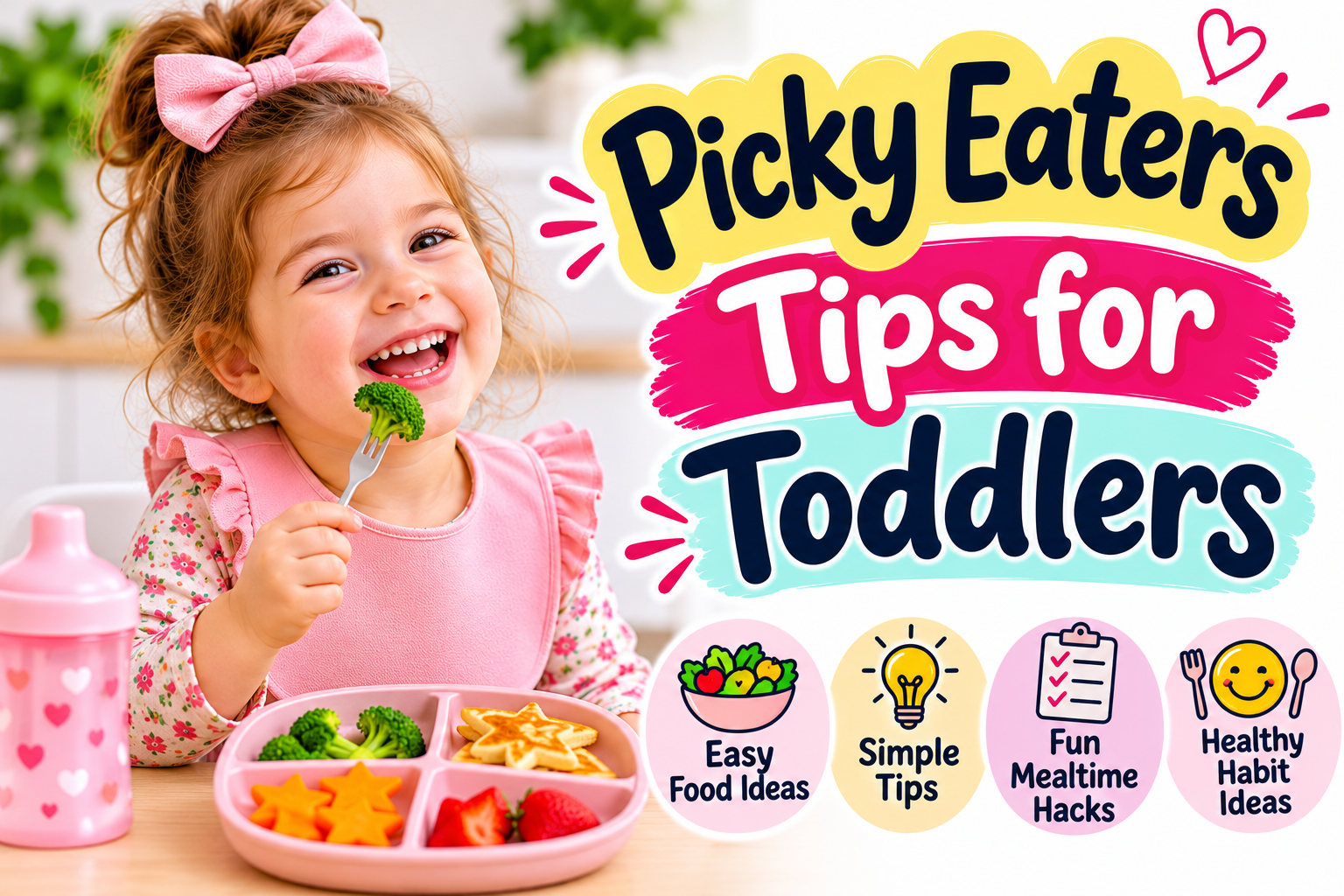
Getting a toddler to try new foods can feel like a daily adventure. One day, they love strawberries. The next day? Apparently, strawberries are their biggest enemy. 😂
If you’re dealing with a picky eater, you’re definitely not alone! Toddlers often become cautious about unfamiliar foods, and their preferences can change overnight.
The good news? You don’t need to bribe, pressure, or negotiate over every bite.
These 21 ways to help your toddler try new foods without pressure focus on making mealtimes relaxed, encouraging curiosity, and helping little ones feel comfortable exploring different flavors and textures.
Let’s make trying new foods a little less stressful and a lot more fun! 🥦💛
1. Start With Tiny Portions
A huge serving of unfamiliar food can feel overwhelming to a toddler. Instead, offer a tiny amount alongside foods they already enjoy.
Even one small piece of a new vegetable is enough for an introduction. Your child doesn’t need to eat it for the experience to count.
✨ Parenting Tip: Use a divided toddler plate to keep familiar and unfamiliar foods separate if your child prefers it.
Shop toddler divided plates.

2. Serve New Foods With Familiar Favorites
Introducing something new feels easier when the rest of the meal is familiar.
If your toddler loves pasta, serve a small portion of a new vegetable alongside it. If they enjoy toast, offer a little avocado or another unfamiliar topping separately.
The goal is to create a comfortable eating environment rather than making the entire meal feel unfamiliar.
✨ Parenting Tip: Include at least one food your toddler usually accepts so they have something comfortable to eat.
Shop toddler mealtime plates.

3. Let Your Toddler Explore Food Without Eating It
Trying new foods doesn’t always begin with taking a bite.
Your toddler might start by looking at broccoli, touching it, smelling it, or moving it around their plate.
These little interactions can help unfamiliar foods become less intimidating.
✨ Parenting Tip: Encourage curiosity with simple comments like, “That carrot feels crunchy!” without asking your child to taste it.
Try toddler sensory mealtime mats.

4. Make Food Look Fun and Colorful
Sometimes a playful presentation makes unfamiliar foods more interesting.
Arrange colorful fruits and vegetables into simple shapes, rainbow patterns, or smiley faces.
You don’t need elaborate food art. Even arranging a few colorful foods in separate sections can spark curiosity.
✨ Parenting Tip: Use toddler-safe food cutters only with adult preparation, and cut all foods into age-appropriate shapes to reduce choking risks.
Shop kids food shape cutters.

5. Eat Together as a Family
Toddlers learn so much by watching the people around them.
When they see parents or siblings enjoying different foods, unfamiliar ingredients can gradually become more familiar.
Try sitting together for meals whenever possible and enjoying your own food without turning your toddler’s plate into the center of attention.
✨ Parenting Tip: Model curiosity by describing foods naturally, such as “These peas are sweet,” without asking your toddler to copy you.
Shop toddler booster seats for dining.


6. Let Your Toddler Help Prepare Meals
Little hands love being involved, especially when it feels like a grown-up activity.
Invite your toddler to rinse vegetables, stir ingredients, tear lettuce, or arrange food on a plate.
Being involved in food preparation can help them become more familiar with ingredients before they appear at mealtime.
✨ Parenting Tip: Give your toddler simple, supervised tasks away from hot surfaces and sharp utensils.
Try toddler kitchen helper tools.

7. Offer the Same Food More Than Once
Just because your toddler refuses carrots today doesn’t mean they’ll always dislike them.
Some children need many relaxed opportunities to become comfortable with unfamiliar foods.
Keep offering small portions occasionally without making a big deal about whether they eat them.
✨ Parenting Tip: Avoid saying, “You don’t like broccoli.” Instead, try, “You’re still getting to know broccoli!”
Shop toddler portion plates.

8. Give Your Toddler Simple Food Choices
Toddlers love having a little independence, and offering choices can make mealtimes feel more comfortable.
Instead of asking whether they want vegetables at all, try offering two options: “Would you like carrots or peas with dinner?”
Accept their response without turning it into a negotiation.
✨ Parenting Tip: Keep choices limited to two or three options to avoid overwhelming your toddler.
Shop toddler food serving bowls.

9. Try Different Food Textures
Sometimes toddlers aren’t rejecting the food itself—they’re uncomfortable with its texture.
A child who dislikes steamed carrots might prefer them roasted until tender. Another might enjoy mashed vegetables instead of whole pieces.
Experiment with different age-appropriate preparations while keeping mealtimes relaxed.
✨ Parenting Tip: Offer textures that match your child’s chewing abilities. Avoid hard raw vegetables and other choking hazards for young toddlers.
Shop toddler food preparation tools.

10. Create a Relaxed Mealtime Routine
A predictable routine can make mealtimes feel more comfortable for little ones.
Try offering meals and snacks at reasonably consistent times, with enough flexibility for your family’s schedule.
Keep distractions minimal and allow your toddler to focus on eating, exploring, and enjoying family time.
✨ Parenting Tip: Turn off screens during meals when possible and create a calm environment without constant reminders to take another bite.
Shop toddler mealtime essentials.

11. Avoid Bribing With Dessert
“If you eat your broccoli, you can have ice cream!”
We’ve all heard it, but using dessert as a reward can make vegetables feel like a chore and sweets feel like the ultimate prize.
Instead, serve balanced meals without making one food the price of getting another.
✨ Parenting Tip: Keep dessert separate from whether your toddler finishes dinner. You can decide when sweets are offered without making them a bargaining tool.
Shop kids portion control plates.

12. Use Food-Themed Books to Build Curiosity
Books can introduce unfamiliar foods in a fun, pressure-free way.
Choose colorful picture books featuring fruits, vegetables, cooking, or characters exploring different meals.
Talk about the foods in the pictures and connect them to ingredients your toddler sees at home.
✨ Parenting Tip: Read food-themed books outside mealtimes so your child can explore the topic without feeling expected to eat anything.
Browse food books for toddlers.

13. Let Your Toddler Serve Themselves
Giving toddlers some control over their plates can encourage independence.
Place small serving bowls on the table and let your child choose which foods to put on their plate.
You can help with portions while allowing them to participate in the process.
✨ Parenting Tip: Use lightweight, toddler-safe serving utensils and start with small amounts to minimize spills.
Shop toddler serving utensils.

14. Introduce New Foods During Snack Time
Sometimes introducing unfamiliar foods during a relaxed snack feels easier than adding them to a busy family dinner.
Offer a small portion of something new alongside a familiar snack when your toddler is comfortably hungry.
Keep the experience casual and allow them to decide whether to taste it.
✨ Parenting Tip: Avoid offering snacks continuously throughout the day. Predictable meal and snack opportunities can help children arrive at the table with an appetite.
Shop toddler snack plates.

15. Make a Simple Toddler Food Exploration Plate
Create a small plate featuring two familiar foods and one unfamiliar ingredient.
Encourage your toddler to explore the different colors, smells, and textures without requiring them to eat everything.
You can describe the foods together and let your child decide how much interaction feels comfortable.
✨ Parenting Tip: Keep the unfamiliar portion tiny and avoid asking repeatedly whether your child likes it.
Try divided toddler tasting plates.
16. Grow Simple Herbs or Vegetables Together
Watching food grow can make unfamiliar ingredients more exciting.
Try growing basil, mint, or another easy plant in a small indoor pot.
Let your toddler help water the plant, observe its growth, and smell the leaves.
When appropriate, use a little of the harvested herb in a family meal.
✨ Parenting Tip: Choose edible, non-toxic plants and supervise gardening activities. Wash harvested ingredients before serving.
Shop kids indoor gardening kits.

17. Offer Dips With New Foods
Dips can make unfamiliar foods feel more approachable.
Try serving a toddler-safe vegetable alongside a familiar dip such as plain yogurt, hummus, or another family favorite.
Let your child experiment with dipping if they want to.
✨ Parenting Tip: Introduce dips separately when needed and check ingredients for allergies. Make sure vegetables are prepared in a soft, age-appropriate form.
Shop toddler dip bowls.

18. Stay Neutral When Your Toddler Refuses Food
It can be frustrating when your toddler refuses something you’ve spent time preparing.
But reacting with disappointment, frustration, or repeated encouragement can make mealtimes feel stressful.
Instead, acknowledge their decision calmly and move on.
✨ Parenting Tip: Try saying, “You don’t have to eat it today,” and continue enjoying your own meal. This helps keep the experience pressure-free.
Shop toddler suction plates.
19. Introduce One New Food at a Time
A plate filled with several unfamiliar foods can feel overwhelming.
Instead, try offering one new ingredient alongside familiar favorites.
This gives your toddler an opportunity to explore without dealing with too many changes at once.
✨ Parenting Tip: Keep portions small and introduce foods at your child’s pace. If you’re introducing a potential allergen for the first time, follow your pediatrician’s guidance when relevant.
Shop small toddler food bowls.
20. Celebrate Curiosity Instead of Clean Plates
Finishing everything on the plate shouldn’t be the goal of every meal.
Instead, notice your toddler’s curiosity, independence, and willingness to explore unfamiliar foods.
Touching a new vegetable, helping prepare a meal, or asking questions about an ingredient can all be meaningful experiences.
✨ Parenting Tip: Use neutral encouragement like, “You noticed how crunchy that cucumber is!” rather than praising your child for eating a specific amount.
Shop toddler food exploration trays.

21. Trust Your Toddler’s Hunger and Fullness Cues
One of the most important parts of pressure-free feeding is allowing toddlers to listen to their bodies.
Parents can decide what foods to offer, when meals happen, and where eating takes place. Children can decide whether to eat the offered foods and how much.
This approach helps create a calmer relationship with food over time.
✨ Parenting Tip: Avoid forcing extra bites when your toddler says they’re full. If your child regularly eats very little, loses weight, or struggles with swallowing, consult a pediatrician.
Shop toddler feeding essentials.

Why Toddlers Refuse New Foods
If your toddler suddenly becomes suspicious of foods they previously enjoyed, don’t panic. Food refusal is common during early childhood.
Several factors can influence picky eating:
- Food neophobia: Many toddlers naturally become cautious about unfamiliar foods.
- Developing independence: Saying “no” is one way young children express control.
- Texture sensitivity: Certain textures may feel uncomfortable or unfamiliar.
- Changing appetite: Growth patterns and activity levels can affect how hungry toddlers feel.
- Unfamiliar presentation: A familiar food prepared differently may seem completely new.
Understanding these factors can help parents respond with patience rather than pressure.
What to Say Instead of Pressuring Your Toddler to Eat
Sometimes, changing a few everyday phrases can make mealtimes feel much more relaxed.
| Instead of Saying | Try Saying |
|---|---|
| “Just take one bite!” | “You can try it whenever you’re ready.” |
| “Finish everything on your plate.” | “Listen to your tummy.” |
| “You can’t have dessert until you eat vegetables.” | “Here’s what’s for dinner tonight.” |
| “You don’t like broccoli.” | “You’re still learning about broccoli.” |
| “Good job eating all your food!” | “Did you enjoy your meal?” |
| “You have to taste this.” | “You can explore it if you want.” |
These simple changes help shift the focus from how much a child eats to making mealtimes comfortable and enjoyable.
When Should You Worry About Toddler Picky Eating?
Most toddler picky eating is a normal developmental phase, but some situations deserve additional attention.
Consider speaking with your child’s pediatrician if you notice:
- Poor weight gain, weight loss, or concerns about growth.
- Frequent coughing, choking, gagging, or difficulty swallowing during meals.
- A very limited range of accepted foods that continues to shrink.
- Significant distress, fear, or anxiety around eating.
- Signs of dehydration or possible nutritional deficiencies.
- Persistent difficulty eating enough food to meet daily needs.
A pediatrician may recommend support from a registered dietitian or feeding specialist when appropriate.
Pressure-free feeding is helpful, but it shouldn’t replace professional assessment when there are concerns about growth, nutrition, or swallowing safety.
Final Thoughts
Helping your toddler try new foods doesn’t have to involve bribing, begging, or turning every dinner into a negotiation. 💛
Sometimes, the biggest progress happens in the smallest moments.
Maybe your toddler touches a new vegetable today, smells it tomorrow, and finally decides to taste it weeks later.
That’s okay!
These 21 ways to help your toddler try new foods without pressure are all about building familiarity, encouraging curiosity, and creating a positive mealtime environment.
Keep offering variety, include familiar favorites, and give your child room to explore at their own pace.
And remember, one refused meal doesn’t define your toddler’s eating habits.
Less mealtime pressure, more curiosity, and happier family dinners—that’s the goal! 🥕✨