This Post Contains Affiliate Links. Please Read Our Disclosure for Full Information.
Does your toddler love bananas on Monday but act personally offended by them on Tuesday? Welcome to the wild world of toddler mealtimes! 😅
Picky eating is incredibly common during the toddler years, but that doesn’t make the daily food battles any less exhausting.
The good news? You don’t need fancy recipes, endless negotiations, or a kitchen full of different meals to make things easier.
These 25 picky eater tips for toddlers focus on simple routines, playful food exploration, and stress-free feeding strategies that help little ones become more comfortable with different foods.
From serving tiny portions to making family meals more enjoyable, these practical ideas can help you create calmer mealtimes without turning every bite into a battle.
Let’s make feeding your toddler a little less stressful! 🥑
1. Start With Small Food Portions
A huge plate of unfamiliar food can feel overwhelming to a toddler.
Instead of filling their plate, start with tiny portions of different foods. Even one small piece of broccoli or a spoonful of rice is enough for an introduction.
Your toddler can always ask for more.
✨ Parenting Tip: Serve one familiar food alongside a small amount of something new. Keep the atmosphere relaxed and let your child decide whether to eat it.
Try toddler portion control plates.

2. Offer One Familiar Food at Every Meal
When toddlers see only unfamiliar foods, they may refuse the entire meal.
Including one food they usually enjoy can make the experience feel more comfortable.
For example, serve a new vegetable alongside familiar pasta, rice, or another favorite.
You don’t need to prepare an entirely separate meal.
✨ Parenting Tip: Choose a familiar food your toddler generally accepts, but remember that preferences can change from day to day.
Shop toddler divided dinner plates.

3. Follow a Consistent Meal and Snack Schedule
Constant grazing can make toddlers less interested in regular meals.
Try establishing predictable meal and snack times throughout the day.
A simple routine helps children recognize when food is available and gives them opportunities to arrive at meals with an appetite.
Keep water accessible between eating times.
✨ Parenting Tip: Offer meals and snacks at regular intervals while staying flexible with your toddler’s hunger cues and daily routine.
Try a toddler daily routine chart.

4. Avoid Pressuring Your Toddler to Eat
We know it’s tempting to say, “Just one more bite!” approximately 47 times. 😅
But pressure can make mealtimes more stressful and increase resistance to unfamiliar foods.
Instead, offer a balanced selection and allow your toddler to decide how much to eat.
Your role is to provide food and structure, not control every bite.
✨ Parenting Tip: Replace food negotiations with neutral comments such as, “Here’s your lunch. You can eat what you’d like.”
Shop toddler mealtime plates.
5. Introduce New Foods Without Expectations
Your toddler doesn’t need to eat a new food the first time they see it.
Looking, touching, smelling, and exploring are all meaningful steps toward becoming comfortable with unfamiliar foods.
Place a tiny portion on their plate and let them decide whether to interact with it.
✨ Parenting Tip: Celebrate curiosity without demanding a taste. Saying “You noticed the carrot is crunchy!” keeps the experience positive.
Try toddler silicone feeding plates.

6. Let Your Toddler Help Prepare Meals
Toddlers love feeling involved, especially when they get to do something independently.
Invite your child to wash vegetables, stir ingredients, tear lettuce, or place food on a plate.
Helping in the kitchen allows them to explore foods without the pressure of eating them.
✨ Parenting Tip: Start with simple, age-appropriate tasks and supervise closely. Keep knives, hot surfaces, and choking hazards out of reach.
Shop toddler kitchen helper towers.

7. Make Mealtimes Screen-Free
Watching cartoons while eating might seem convenient, but screens can distract toddlers from noticing hunger and fullness.
Try creating a calm eating environment without television, tablets, or phones.
This encourages your child to focus on their food and participate in family conversations.
✨ Parenting Tip: Begin with one screen-free family meal each day if removing screens completely feels challenging.
Try a toddler adjustable high chair.

8. Offer Foods in Different Shapes
Sometimes toddlers reject a food because of how it looks rather than how it tastes.
Try serving familiar foods in different age-appropriate shapes.
For example, cut soft sandwiches into triangles or offer cooked vegetables in easy-to-hold pieces.
Keep presentations simple and safe.
✨ Parenting Tip: Always cut foods according to your child’s chewing abilities. Avoid hard, round, or oversized pieces that could become choking hazards.
Shop sandwich cutters for kids.

9. Serve Family Meals Together
Toddlers learn a lot by watching the people around them.
Eating together gives your child opportunities to observe adults and siblings enjoying different foods.
You don’t need to make a big deal about trying vegetables. Simply model relaxed eating habits.
✨ Parenting Tip: Serve a toddler-safe version of the family meal whenever possible, adjusting textures, portion sizes, and seasoning as needed.
Try family-style serving bowls.

10. Let Your Toddler Choose Between Two Foods
Toddlers love independence, and giving them small choices can reduce mealtime struggles.
Instead of asking an open-ended question, offer two acceptable options.
For example, “Would you like strawberries or banana with breakfast?”
Both choices work, and your toddler gets to participate.
✨ Parenting Tip: Offer choices you can comfortably provide. Avoid turning every meal into an endless menu of alternatives.
Shop toddler snack serving bowls.

11. Keep Offering Rejected Foods
Just because your toddler refuses carrots today doesn’t mean carrots are permanently banned from the menu.
Children often need repeated, low-pressure exposure before becoming comfortable with unfamiliar foods.
Continue offering small portions occasionally without forcing your child to taste them.
✨ Parenting Tip: Try different preparations, such as steamed carrots, roasted carrots, or mashed carrots. Keep textures appropriate for your toddler’s age.
Try toddler vegetable serving plates.

12. Make Breakfast Simple and Familiar
Morning mealtimes can be challenging when everyone is rushing.
Instead of experimenting with complicated recipes, create a rotation of easy breakfasts your toddler generally enjoys.
Think oatmeal, soft scrambled eggs, yogurt, or toast with age-appropriate toppings.
Introduce new ingredients gradually.
✨ Parenting Tip: Pair familiar breakfast foods with small additions, such as mashed berries in oatmeal or a new fruit alongside toast.
Shop toddler breakfast bowls.

13. Use Dips to Encourage Food Exploration
Dipping food can make eating feel more interactive and fun.
Offer toddler-safe foods alongside hummus, plain yogurt, or another familiar dip.
Your child may enjoy dipping vegetables or soft bread even if they aren’t ready to eat everything.
That’s okay!
✨ Parenting Tip: Start with a dip your toddler already likes and keep portions small. Avoid hard raw vegetables and other choking hazards.

14. Avoid Using Dessert as a Reward
Promising cookies in exchange for eating broccoli might work once, but it can create an unhealthy food bargaining cycle.
Instead of labeling certain foods as rewards, serve meals without making dessert something your toddler must earn.
Keep the focus on enjoying food and recognizing hunger cues.
✨ Parenting Tip: If dessert is part of the meal, offer an age-appropriate portion without requiring your toddler to finish other foods first.
Shop kids portion serving plates.

15. Try Different Food Textures
Some toddlers are more sensitive to food textures than others.
A child who refuses crunchy vegetables might enjoy them steamed, mashed, or blended into a familiar dish.
Experiment with safe textures while respecting your toddler’s preferences and chewing abilities.
✨ Parenting Tip: Introduce texture changes gradually. If your child frequently gags, coughs, or struggles with particular textures, discuss it with their pediatrician.
Try a baby and toddler food masher.

16. Create a Calm Mealtime Environment
A noisy, rushed, or stressful eating environment can make picky eating feel even more challenging.
Try keeping mealtimes predictable and relaxed.
Seat your toddler comfortably, reduce distractions, and avoid turning every meal into a conversation about how much they’ve eaten.
✨ Parenting Tip: Make sure your toddler’s feet have stable support when seated. A comfortable, upright position can help them focus on eating safely.
Shop toddler high chair footrests.

17. Let Your Toddler Practice Self-Feeding
Yes, self-feeding can get messy. Very messy. But it’s also an important developmental skill.
Give your toddler opportunities to use child-sized spoons, forks, and their hands when appropriate.
Exploring food independently can help build confidence and familiarity.
✨ Parenting Tip: Offer easy-to-grip utensils and expect spills. Use a washable mat underneath the chair to make cleanup less stressful.
Try toddler self-feeding utensils.

18. Avoid Preparing Multiple Replacement Meals
If your toddler refuses dinner, it’s tempting to immediately start cooking three different alternatives.
But constantly preparing replacement meals can make family mealtimes exhausting.
Instead, include at least one familiar food in the original meal and maintain a predictable snack routine.
✨ Parenting Tip: Avoid using food refusal as a punishment or withholding food. If your toddler is genuinely hungry later, offer an appropriate planned snack.
Shop toddler meal prep containers.

19. Introduce New Foods Through Play
Food exploration doesn’t always have to happen at the dinner table.
Let your toddler wash vegetables, explore food colors, or pretend to cook using toy foods.
These playful experiences can make unfamiliar ingredients feel less intimidating.
✨ Parenting Tip: Use pretend play to introduce food names and colors without expecting your child to taste anything during the activity.
Try a Montessori pretend play food set.

20. Keep Milk and Juice From Replacing Meals
Toddlers who drink large amounts of milk or juice may have less appetite for solid foods.
Offer water regularly and follow age-appropriate guidance for milk and juice intake.
Whole fruit is generally preferable to juice because it provides fiber and encourages chewing.
✨ Parenting Tip: Ask your pediatrician about appropriate milk intake for your toddler’s age, especially if they’re eating very little solid food.
Shop toddler straw water cups.


21. Make Healthy Snacks Easy to Access
A little preparation can make snack time much easier.
Keep a selection of toddler-safe snacks ready, such as soft fruit, yogurt, cooked vegetables, and age-appropriate cheese pieces.
Offer snacks at predictable times rather than allowing continuous grazing.
✨ Parenting Tip: Prepare small portions in advance and store them safely in the refrigerator. Always supervise eating and cut foods to reduce choking risks.
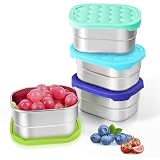
Try reusable toddler snack containers.
22. Involve Your Toddler in Grocery Shopping
The grocery store can become a fun learning opportunity.
Invite your toddler to help choose between two fruits or point out colorful vegetables.
Talking about foods outside mealtimes helps build familiarity without the pressure of eating.
✨ Parenting Tip: Give your toddler a simple mission, such as choosing a banana or finding something red. Keep the experience playful and manageable.
Shop kids pretend grocery shopping toys.

23. Serve Familiar Foods in New Ways
Sometimes a small presentation change can make a familiar food more interesting.
Try serving yogurt in a different bowl, offering toast in strips, or presenting cooked vegetables alongside a favorite dip.
These simple changes introduce variety without completely changing the meal.
✨ Parenting Tip: Make one change at a time so your toddler can adjust comfortably. Keep food sizes and textures safe for their developmental stage.
Try colorful toddler feeding bowls.

24. Focus on Progress Over Perfect Meals
Some days your toddler will eat a balanced dinner. Other days they’ll survive on toast, yogurt, and approximately three blueberries. 😅
Try looking at eating patterns over several days rather than judging every single meal.
Small improvements in food exploration and mealtime comfort matter.
✨ Parenting Tip: Track overall food variety and growth with your pediatrician rather than counting every bite. Avoid making your toddler feel watched or evaluated.
Shop simple toddler meal planners.

25. Know When to Ask for Professional Help
Picky eating is common, but sometimes children need extra support.
If your toddler has a very limited diet, frequently gags or coughs during meals, struggles with chewing or swallowing, loses weight, or shows signs of nutritional deficiencies, speak with their pediatrician.
A pediatric dietitian or feeding specialist may also help.
✨ Parenting Tip: Keep a simple food diary for a few days before your appointment. Record accepted foods, mealtime difficulties, and any concerning symptoms without pressuring your child.
Try a toddler food diary journal.

Simple Picky Eater Meal Ideas for Toddlers
Need some easy meal inspiration? These simple combinations include familiar foods alongside opportunities to explore new flavors and textures.
| Mealtime | Toddler-Friendly Meal Idea |
|---|---|
| Breakfast | Scrambled eggs, soft toast, and banana |
| Morning snack | Plain yogurt with mashed berries |
| Lunch | Soft pasta, shredded chicken, and cooked carrots |
| Afternoon snack | Soft pear slices and age-appropriate cheese |
| Dinner | Rice, tender beans, and steamed vegetables |
| Weekend lunch | Mini sandwiches with avocado and soft fruit |
Adjust all foods to your toddler’s age, chewing abilities, allergies, and nutritional needs. Cut round foods such as grapes and cherry tomatoes lengthwise into quarters, and avoid whole nuts, popcorn, and other choking hazards.
What to Avoid When Dealing With Picky Eaters
A few common mealtime habits can unintentionally make picky eating more stressful.
- Forcing bites: Pressure may increase resistance and make meals unpleasant.
- Bribing with sweets: Using dessert as a reward can create unnecessary food negotiations.
- Comparing children: Every toddler develops eating skills and preferences differently.
- Offering endless alternatives: Constantly cooking replacement meals can make routines difficult to maintain.
- Using screens to distract during meals: Distractions may interfere with noticing hunger and fullness.
- Expecting immediate results: Becoming comfortable with new foods often takes time and repeated exposure.
Instead, focus on predictable routines, positive modeling, safe food exploration, and responding to your child’s hunger cues.
Final Thoughts
Feeding a picky toddler can feel like a daily guessing game, but mealtimes don’t have to become a battle. 🤎
These 25 picky eater tips for toddlers are all about making food experiences calmer, more enjoyable, and less stressful for everyone.
You don’t need to convince your child to love broccoli overnight or create Pinterest-perfect meals every day.
Start small. Offer familiar foods, introduce new ingredients without pressure, involve your toddler in simple kitchen activities, and celebrate curiosity rather than counting bites.
Remember that toddlers are learning how to eat, just like they’re learning how to walk, talk, and become more independent.
Some days will go smoothly. Others might involve a rejected sandwich and a dramatic meltdown over the wrong-colored cup.
And that’s toddler life!
The goal isn’t a perfect plate. It’s helping your child build a comfortable, positive relationship with food over time.
Which picky eater tip are you trying first? Save these ideas for your next mealtime challenge and give yourself permission to keep things simple. 🥑✨