This Post Contains Affiliate Links. Please Read Our Disclosure for Full Information.
Spring is the perfect time to introduce little learners to the wonders of science! From watching seeds sprout to discovering how flowers drink water, these hands-on activities turn everyday nature into exciting learning opportunities.
The best part? You don’t need fancy science equipment or expensive supplies. These 17 easy spring science experiments for preschoolers use simple materials, encourage curiosity, and make learning fun for kids ages 3–5.
1. Rainbow Flower Color-Changing Experiment
Time: 10 minutes setup | Results: 1–2 days
Ever wondered how flowers drink water? This colorful experiment helps preschoolers discover how water travels through plant stems.
Materials needed:
- White carnations
- Clear cups
- Water
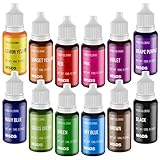
- Food coloring
How to do it: Fill several cups with water and add different food coloring to each. Place one white carnation in every cup and observe the petals over the next 24–48 hours.
What kids learn: Water travels upward through the stem’s water-conducting tissues, eventually reaching the petals.
Shop the supplies: Liquid Food Coloring
2. Growing Beans in a Clear Plastic Bag
Time: 10 minutes setup | Results: 3–7 days
This classic seed-growing experiment lets preschoolers watch roots and shoots develop without digging through soil.
Materials needed:
- Dried untreated beans
- Paper towels
- Clear resealable plastic bag
- Water
How to do it: Dampen a paper towel, place it inside the bag, and position two beans against the clear plastic. Keep the bag upright in a bright spot away from harsh direct sunlight. Check daily and add moisture if the towel dries out.
What kids learn: Seeds absorb water and begin germinating, eventually producing roots and shoots.
Shop the supplies: Clear Resealable Storage Bags

3. Sunlight vs. Darkness Seed Experiment
Time: 15 minutes setup | Results: 5–10 days
Can seeds grow without sunlight? Let your preschooler investigate what happens when young plants receive different amounts of light.
Materials needed:
- Two small pots
- Potting soil
- Fast-growing bean seeds
- Water
How to do it: Plant the same number of seeds in both pots. Keep one in bright, indirect light and the other in a dark cupboard. Give both equal amounts of water and compare their growth each day.
What kids learn: Many seeds can germinate in darkness, but seedlings need light for healthy, sustained growth.
Shop the supplies: Bean Seeds for Planting
4. Flower Petal Color Mixing Experiment
Time: 15–20 minutes
Let your little scientist explore colors using beautiful spring flower petals!
Materials needed:
- Edible, pesticide-free flower petals
- Clear bowls
- Water
- Child-safe spoons
How to do it: Place different colored petals into separate bowls of warm water and gently press them with spoons. Observe whether any color transfers into the water, then experiment with mixing the colored water.
What kids learn: Some natural pigments dissolve in water, while others remain in the petals. Different flowers produce different results.
Shop the supplies: Clear Plastic Science Cups

5. Seed Sink or Float Experiment
Time: 10–15 minutes
This simple water experiment helps preschoolers practice predicting, observing, and comparing different types of seeds.
Materials needed:
- Several varieties of large seeds
- Clear bowl of water
- Spoon
- Paper and crayons
How to do it: Ask your child to predict which seeds will float and which will sink. Drop each seed into the water and observe what happens. Draw two columns labeled “Float” and “Sink” to record the results.
What kids learn: Seeds differ in size, shape, density, and trapped air, which can affect their ability to float.
Shop the supplies: Large Seeds for Planting

6. Flower Dissection Science Activity
Time: 20 minutes
Preschoolers will love discovering what hides inside a flower! This activity introduces basic plant parts through hands-on exploration.
Materials needed:
- Large, non-toxic flowers
- Magnifying glass
- White paper
- Child-safe tweezers
How to do it: Place a flower on the table and help your child gently separate its petals. Use a magnifying glass to explore the center, stem, and leaves.
What kids learn: Flowers have different parts, including petals, stamens, and pistils, that help plants reproduce.
Shop the supplies: Magnifying Glass for Kids

7. Growing Grass Hair in a Cup
Time: 15 minutes setup | Results: 5–14 days
Turn an ordinary cup into a funny little grass-haired character while teaching children about plant growth.
Materials needed:
- Clear plastic cup
- Potting soil
- Grass seeds
- Water
- Washable markers
How to do it: Draw a silly face on the outside of the cup. Fill it with soil, sprinkle grass seeds over the surface, and cover lightly with more soil. Mist with water and place near a sunny window.
What kids learn: Seeds need suitable moisture, temperature, and growing conditions to sprout.
Shop the supplies: Grass Seed for Planting

8. Seed Germination with Cotton Balls
Time: 10 minutes setup | Results: 3–7 days
No soil? No problem! This easy experiment shows kids that some seeds can begin growing on a moist surface.
Materials needed:
- Large untreated bean seeds
- Cotton balls
- Clear plastic container
- Water
How to do it: Place damp cotton balls inside a clear container and position a few beans on top. Keep the cotton moist but not waterlogged, and observe the seeds daily.
What kids learn: Seeds can begin germinating without soil because they contain stored food that supports early growth.
Shop the supplies: Cotton Balls
9. Flower Water Absorption Experiment
Time: 10 minutes setup | Results: Several hours
Help preschoolers understand how cut flowers absorb water with this simple measuring activity.
Materials needed:
- Two similar cut flowers
- Two clear containers
- Water
- Washable marker
How to do it: Fill both containers with the same amount of water and mark the water level. Place one flower in each container and check after several hours. Compare water levels with an identical container of water without a flower for a better comparison.
What kids learn: Cut flowers take up water through their stems, although evaporation can also lower the water level.
Shop the supplies: Clear Plastic Flower Vases

10. DIY Seed Bomb Science Activity
Time: 20 minutes | Drying: 1–2 days
Seed bombs combine science, gardening, and messy sensory fun!
Materials needed:
- Shredded recycled paper
- Water
- Native flower seeds
- Mixing bowl
How to do it: Soak shredded paper until soft, squeeze out excess water, and mix with a small amount of locally appropriate native flower seeds. Shape into balls and allow them to dry. Plant them in a garden bed where you have permission to grow flowers.
What kids learn: Seeds need suitable environmental conditions to grow, and plant choices affect local ecosystems.
Shop the supplies: Native Wildflower Seeds

11. Flower Petal Floating Experiment
Time: 10 minutes
Explore why some flowers and petals float while others sink with this colorful water activity.
Materials needed:
- Variety of non-toxic flower petals
- Wide clear bowl
- Water
- Spoon
How to do it: Fill a bowl with water and let your child gently place different petals on the surface. Observe which petals stay afloat and which become waterlogged.
What kids learn: A petal’s shape, structure, trapped air, and interaction with the water surface influence whether it floats.
Shop the supplies: Clear Sensory Play Bowls

12. Which Seeds Grow Faster Experiment
Time: 15 minutes setup | Results: 3–14 days
Turn seed planting into a fun preschool science investigation by comparing germination speeds.
Materials needed:
- Bean seeds
- Radish seeds
- Two small pots
- Potting soil
- Water
How to do it: Plant bean seeds in one pot and radish seeds in another at their recommended depths. Give both suitable light and moisture, then check daily to see which seedlings emerge first.
What kids learn: Different types of seeds germinate at different rates, even under similar growing conditions.
Shop the supplies: Radish Seeds for Planting

13. Flower Pollen Exploration with a Magnifying Glass
Time: 15 minutes
Give preschoolers a closer look at the tiny details hiding inside spring flowers!
Materials needed:
- Pollen-bearing, non-toxic flower
- Magnifying glass
- White paper
- Crayons
How to do it: Place the flower on white paper and examine its center with a magnifying glass. An adult can gently tap a stamen to show how pollen may transfer onto the paper. Ask your child to draw what they notice.
What kids learn: Pollen is part of how flowering plants reproduce, and pollinators can carry pollen between flowers.
Shop the supplies: Kids Science Magnifiers
14. DIY Mini Greenhouse Experiment
Time: 15 minutes setup | Results: 5–10 days
Create a tiny greenhouse and watch how a covered growing space affects moisture and temperature.
Materials needed:
- Two small seed pots
- Potting soil
- Fast-growing seeds
- Clear plastic cover
- Water
How to do it: Plant identical seeds in both pots and water equally. Cover one pot loosely with clear plastic while leaving the other uncovered. Place both in bright, indirect light and compare condensation and growth. Vent the covered pot regularly to prevent overheating and mold.
What kids learn: A transparent cover can help retain moisture and warmth, changing the growing environment.
Shop the supplies: Mini Greenhouse Growing Kits

15. Flower Color Sorting and Observation Experiment
Time: 15–20 minutes
Turn a collection of colorful spring flowers into a simple science activity that strengthens observation and classification skills.
Materials needed:
- Different types of non-toxic flowers
- Colorful paper sheets
- Magnifying glass
- Sorting trays
How to do it: Arrange colored paper sheets on a table and invite your child to sort flowers by color. Then compare their petal shapes, sizes, and textures.
What kids learn: Scientists classify living things by comparing visible characteristics and identifying similarities and differences.
Shop the supplies: Kids Sorting Trays

16. Water vs. No Water Seed Experiment
Time: 10 minutes setup | Results: 5–10 days
This simple comparison teaches preschoolers why water matters for seed germination.
Materials needed:
- Two identical pots
- Potting soil
- Bean seeds
- Water
- Labels
How to do it: Plant the same number of seeds in each pot and place them together. Water one pot regularly while leaving the other dry. Observe the results every day and record any changes.
What kids learn: Water helps activate processes inside seeds that allow germination to begin.
Shop the supplies: Small Seed Starting Pots

17. Sunflower Growth Measuring Experiment
Time: 15 minutes setup | Results: 1–3 weeks
End your spring science adventures with a sunflower-growing project that kids can continue observing for weeks!
Materials needed:
- Sunflower seeds
- Large pot with drainage
- Potting soil
- Water
- Ruler
- Growth chart
How to do it: Plant sunflower seeds according to package directions and place the pot in a sunny location. Water when needed and help your child measure the seedling every few days. Record the height on a simple chart.
What kids learn: Plants grow and change over time, and measuring helps scientists track those changes.
Shop the supplies: Sunflower Seeds for Planting

Tips for Doing Spring Science Experiments with Preschoolers
Science activities should be fun, simple, and safe for little learners. Keep these tips in mind:
- Always supervise: Seeds, small plant parts, and loose craft supplies can be choking hazards.
- Choose safe plants: Use non-toxic, pesticide-free flowers and untreated seeds.
- Avoid tasting materials: Teach children not to eat experiment supplies or unfamiliar plants.
- Keep experiments short: Most preschoolers enjoy activities that take around 10–20 minutes.
- Encourage predictions: Ask questions like “What do you think will happen tomorrow?”
- Document discoveries: Use drawings, stickers, or simple charts to record observations.
- Wash hands afterward: Clean hands after handling soil, seeds, flowers, and gardening supplies.
For children with pollen allergies, choose low-pollen flowers or focus on seed-growing activities instead.
Final Thoughts
Spring science experiments are a wonderful way to turn everyday flowers, seeds, and water into exciting learning experiences. Whether your preschooler is growing beans in a plastic bag, watching carnations change color, or measuring sunflower seedlings, every activity offers a chance to explore the natural world.
Start with a few easy experiments, encourage lots of questions, and enjoy watching your little scientist discover how amazing plants can be!