This Post Contains Affiliate Links. Please Read Our Disclosure for Full Information.
Spring is the perfect season to get little hands exploring, creating, and learning! With blooming flowers, warmer weather, and plenty of outdoor adventures, there are endless opportunities to turn everyday moments into exciting educational activities.
Whether you’re looking for easy spring crafts, fun sensory activities, or hands-on preschool learning ideas, these 25 spring activities for preschoolers are perfect for ages 3–5. Most use simple supplies and help develop important skills like counting, color recognition, creativity, and fine motor coordination.
1. Spring Flower Color Sorting
This colorful activity is perfect for helping preschoolers recognize and match different colors.
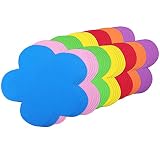
How to do it: Cut flower shapes from red, yellow, pink, and purple construction paper. Place matching colored bowls on a table and let your child sort the flowers into the correct bowls. For an extra challenge, ask them to count the flowers in each group.
Learning benefits: Color recognition, sorting, counting, and fine motor skills.
Shop: Colorful Foam Flower Shapes
2. DIY Spring Sensory Bin
A spring sensory bin is a wonderful way to encourage hands-on exploration and imaginative play.
How to do it: Fill a shallow container with shredded green paper, large artificial flowers, and toy gardening tools. Let your preschooler pretend to plant flowers, dig in the garden, and create little spring scenes.
Learning benefits: Sensory exploration, imaginative play, vocabulary, and hand-eye coordination.
Shop: Preschool Sensory Bin Tools

3. Spring Nature Scavenger Hunt
Turn an ordinary walk into an exciting springtime adventure!
How to do it: Make a simple picture checklist featuring flowers, birds, butterflies, green leaves, and clouds. Take your child outside and encourage them to find each item. Let them mark off discoveries as they explore.
Learning benefits: Observation, nature awareness, attention, and early science skills.
Shop: Kids Nature Scavenger Hunt Cards

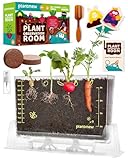
4. Planting Seeds in Clear Cups
Watching seeds grow is one of the most exciting spring science activities for preschoolers.
How to do it: Fill clear reusable cups with potting soil and plant large bean seeds near the sides. Water lightly and place them in a sunny spot. Encourage your child to observe changes every day and draw what they see.
Learning benefits: Plant life cycles, responsibility, observation, and early scientific thinking.
Shop: Kids Seed Growing Kit
5. Butterfly Symmetry Painting
This beautiful spring art activity introduces preschoolers to symmetry while encouraging creativity.
How to do it: Fold a sheet of paper in half and open it. Add drops of washable paint to one side, fold the paper again, and gently press. Open it to reveal symmetrical butterfly wings, then draw a body and antennae.
Learning benefits: Creativity, color exploration, symmetry, and fine motor control.
Shop: Washable Kids Paint Set


6. Spring Flower Counting Garden
Make counting fun with an adorable pretend flower garden.
How to do it: Cut out 10 paper flowers and write numbers from 1 to 10 on them. Give your child large paper leaf cutouts and ask them to place the correct number of leaves beside each flower.
Learning benefits: Number recognition, counting, quantity matching, and concentration.
Shop: Preschool Flower Counting Activities

7. Rain Cloud in a Jar Experiment
This simple science experiment is a fun way to introduce preschoolers to rain and weather.
How to do it: Fill a clear jar with water and add a layer of shaving cream on top. With adult help, drop diluted food coloring onto the shaving cream and watch the colors slowly sink into the water like rain.
Learning benefits: Weather awareness, observation, cause and effect, and curiosity.
Shop: Kids Science Experiment Droppers

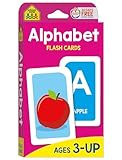
8. Spring Alphabet Flower Match
Help your preschooler practice letter recognition with a colorful flower-themed matching game.
How to do it: Write uppercase letters on paper flower centers and lowercase letters on matching petals. Ask your child to find the correct petals and assemble each flower.
Learning benefits: Letter recognition, uppercase and lowercase matching, and early literacy.
Shop: Preschool Alphabet Learning Cards
9. DIY Bird Feeder Activity
Introduce your child to backyard birds with a simple homemade bird feeder.
How to do it: Spread unsalted sunflower-seed butter onto a cardboard tube and roll it in birdseed. An adult can attach a secure hanging loop and place it outdoors, away from windows and predators. Watch visiting birds from a distance.
Learning benefits: Wildlife awareness, observation, patience, and caring for nature.
Shop: Wild Bird Seed Mix

10. Spring Playdough Flower Garden
Playdough is always a favorite with preschoolers, and this spring version is extra cute!
How to do it: Give your child green, pink, yellow, and purple playdough. Provide flower-shaped cookie cutters and child-safe rolling tools. Encourage them to create flowers, leaves, butterflies, and an imaginary garden.
Learning benefits: Fine motor strength, creativity, sensory exploration, and shape recognition.
Shop: Spring Playdough Tools

11. Spring Rainbow Color Hunt
This activity transforms color recognition into an exciting indoor or outdoor game.
How to do it: Give your child a sheet featuring rainbow-colored circles. Challenge them to find safe objects around the home or garden that match each color. Talk about the objects as they collect or point to them.
Learning benefits: Color matching, observation, vocabulary, and problem-solving.
Shop: Rainbow Color Sorting Toys

12. Paper Plate Spring Sun Craft
Celebrate brighter spring days with a cheerful paper sun!
How to do it: Let your child paint a paper plate yellow. Cut strips of orange and yellow construction paper and glue them around the edge to create sun rays. Finish by drawing a happy face in the center.
Learning benefits: Creativity, cutting practice, shape recognition, and coordination.
Shop: Paper Plate Craft Supplies

13. Spring Bug Observation Walk
Spring is a wonderful time to introduce preschoolers to insects and their habitats.
How to do it: Take a slow walk through your backyard or a nearby park and look for ants, butterflies, beetles, and ladybugs. Use a magnifying glass to observe them without touching or disturbing their homes.
Learning benefits: Nature awareness, observation, curiosity, and respect for living things.
Shop: Kids Magnifying Glass

14. Spring Flower Pattern Making
Introduce early math concepts with a simple flower pattern activity.
How to do it: Cut out paper flowers in three different colors. Start with an easy pattern like pink-yellow-pink-yellow and ask your child to continue it. Try more challenging patterns as they gain confidence.
Learning benefits: Pattern recognition, sequencing, logical thinking, and early math skills.
Shop: Preschool Pattern Blocks

15. DIY Spring Weather Chart
Help your preschooler become a little weather reporter with a homemade chart.
How to do it: Draw a weekly chart with pictures of sunshine, clouds, rain, and wind. Each morning, look outside together and let your child mark the day’s weather. At the end of the week, count how many sunny or rainy days you had.
Learning benefits: Weather awareness, daily observation, counting, and early graphing.
Shop: Preschool Weather Chart

16. Spring Flower Ice Painting
This refreshing sensory activity combines art, science, and colorful spring flowers.
How to do it: Freeze water mixed with a little washable paint in an ice cube tray, using large handles or craft sticks inserted before freezing. Let your child glide the colorful ice across thick paper and observe how the colors change as the ice melts.
Learning benefits: Sensory exploration, color mixing, cause and effect, and creativity.
Shop: Reusable Ice Cube Trays

17. Butterfly Life Cycle Learning Activity
Butterflies are a wonderful introduction to simple life cycles and nature science.
How to do it: Draw four large circles representing an egg, caterpillar, chrysalis, and butterfly. Use printed pictures or handmade drawings and ask your child to arrange them in the correct order.
Learning benefits: Sequencing, scientific vocabulary, observation, and understanding life cycles.
Shop: Butterfly Life Cycle Learning Toys

18. Spring Sidewalk Chalk Art
Take art time outdoors with a colorful spring sidewalk drawing session.
How to do it: Give your child washable sidewalk chalk and encourage them to draw flowers, butterflies, rainbows, and sunshine. Add simple challenges like drawing three flowers or making a giant rainbow with five colors.
Learning benefits: Gross motor movement, creativity, counting, and color recognition.
Shop: Washable Sidewalk Chalk

19. Spring Garden Watering Station
Little gardeners love helping care for plants, and this activity teaches responsibility through play.
How to do it: Set up a small watering station with a child-sized watering can, potted flowers, and a shallow water container. Show your child how to water plants gently and explain why plants need water to grow.
Learning benefits: Responsibility, hand-eye coordination, practical life skills, and plant awareness.
Shop: Kids Gardening Watering Can

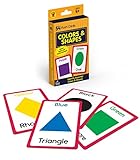
20. Spring Shape Scavenger Hunt
Make learning shapes exciting by connecting them to everyday spring objects.
How to do it: Create cards showing circles, triangles, rectangles, and ovals. Take your preschooler around the garden or house and ask them to find objects that resemble each shape, such as round flowerpots or rectangular garden beds.
Learning benefits: Shape recognition, observation, vocabulary, and problem-solving.
Shop: Preschool Shape Flashcards
21. DIY Spring Bird Nest Craft
This simple craft helps children learn how birds create homes for their eggs.
How to do it: Cut a large nest shape from brown construction paper and glue it onto cardstock. Let your child add strips of brown paper to create texture, then place three colorful paper eggs inside.
Learning benefits: Creativity, fine motor skills, counting, and early nature science.
Shop: Brown Construction Paper

22. Spring Counting with Toy Insects
Turn simple counting practice into a fun spring-themed activity.
How to do it: Place large toy butterflies, ladybugs, and bees on a table. Give your child number cards from 1 to 10 and ask them to match each number with the correct quantity of insects.
Learning benefits: Counting, number recognition, sorting, and hand-eye coordination.
Shop: Large Plastic Insect Toys

23. Spring Flower Petal Collage
Let your little artist create a beautiful spring masterpiece using flower-inspired shapes.
How to do it: Cut petal shapes from colorful tissue paper and provide a large sheet of cardstock. Encourage your child to arrange the petals into flowers and glue them into place. Add green paper stems and leaves.
Learning benefits: Creativity, shape recognition, fine motor coordination, and color exploration.
Shop: Colorful Tissue Paper for Crafts

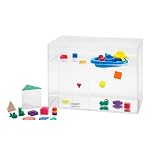
24. Spring Sink or Float Experiment
This hands-on science activity is perfect for curious preschoolers who love water play.
How to do it: Fill a shallow basin with water and gather safe objects like a leaf, cork, plastic spoon, and smooth stone. Ask your child to predict whether each object will sink or float before gently placing it in the water.
Learning benefits: Prediction, observation, critical thinking, and early science vocabulary.
Shop: Preschool Sink or Float Science Kit
25. Spring Outdoor Nature Journal
A simple nature journal is a wonderful way to encourage curiosity and help preschoolers appreciate the changing seasons.
How to do it: Give your child a small sketchbook and crayons. Take a short nature walk and ask them to draw something they noticed, such as a flower, bird, tree, or butterfly. Add the date and help them describe their discovery.
Learning benefits: Observation, creativity, communication, early writing, and environmental awareness.
Shop: Kids Nature Journals

Best Spring Activities for Preschoolers by Learning Skill
| Learning Skill | Recommended Activities |
|---|---|
| Fine motor skills | Flower Sorting, Playdough Garden, Petal Collage |
| Early math | Flower Counting, Pattern Making, Insect Counting |
| Science | Seed Growing, Rain Cloud Experiment, Sink or Float |
| Early literacy | Alphabet Flower Match, Nature Journal |
| Sensory development | Spring Sensory Bin, Ice Painting |
| Outdoor exploration | Nature Scavenger Hunt, Bug Walk, Gardening |
| Creativity | Butterfly Painting, Paper Sun Craft, Bird Nest Craft |
Tips for Making Spring Learning Activities Fun
- Keep activities short: Around 10–20 minutes is often enough for preschoolers, depending on their interest.
- Follow your child’s curiosity: If they love flowers, explore more gardening and flower-related activities.
- Use everyday supplies: Paper, crayons, cardboard, cups, and washable paint can create plenty of learning opportunities.
- Encourage hands-on learning: Let children explore, experiment, and discover rather than focusing on perfect results.
- Get outdoors regularly: Fresh air and nature exploration make spring learning more exciting.
- Prioritize safety: Supervise water activities closely, avoid choking-size loose parts, choose non-toxic craft materials, and identify plants before allowing children to touch them.
Final Thoughts
Spring is filled with wonderful opportunities to help preschoolers learn through play. Whether your child is planting their first seeds, creating colorful butterfly art, discovering backyard insects, or practicing counting with flowers, every activity can become a fun little learning adventure.
The best part is that you don’t need expensive toys or complicated lesson plans. A few simple supplies, a little imagination, and some time together are all you need to make spring learning exciting and memorable!