
This Post Contains Affiliate Links. Please Read Our Disclosure for Full Information.
Your body goes through incredible changes after giving birth, and recovery rarely happens overnight. During the postpartum period—often called the fourth trimester—it’s completely normal to experience a wide range of physical and emotional changes as your body heals and adjusts. Knowing what’s expected can help ease unnecessary worry. While many postpartum symptoms are a normal part of recovery, always contact your healthcare provider right away if you experience severe pain, heavy bleeding, high fever, chest pain, trouble breathing, thoughts of harming yourself or your baby, or any symptom that concerns you.
1. Vaginal Bleeding (Lochia)
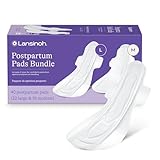
It’s normal to have vaginal bleeding and discharge, called lochia, for several weeks after giving birth. The flow usually starts out bright red before gradually becoming lighter in color and amount.
👉 Recovery Tip: Change your maternity pads regularly and avoid using tampons until your healthcare provider says it’s safe.
🛍 Shop here:
Postpartum Maternity Pads


2. Mild Uterine Cramping
Your uterus contracts as it returns to its pre-pregnancy size, causing mild cramping known as “afterpains.” These cramps are often more noticeable while breastfeeding.
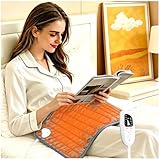
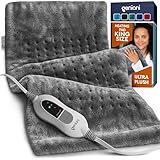
👉 Recovery Tip: A heating pad and gentle rest may help ease discomfort.
🛍 Shop here:
Heating Pad


3. Perineal Soreness
Tenderness around the vaginal area is common after a vaginal birth, especially if you had stitches or a tear. The soreness should gradually improve over time.
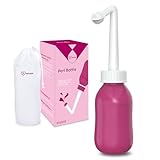
👉 Recovery Tip: Use a peri bottle with warm water after using the bathroom for extra comfort.
🛍 Shop here:
Peri Bottle for Postpartum Care



4. Breast Engorgement
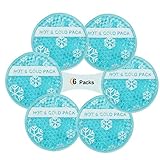
As your milk comes in, your breasts may feel swollen, firm, or tender for a few days. This is a common part of establishing milk production.
👉 Recovery Tip: Feed or pump regularly if you’re breastfeeding.
🛍 Shop here:
Reusable Breast Ice Packs



5. Fatigue
Recovering from childbirth while caring for a newborn is exhausting. Feeling tired is one of the most common postpartum experiences.
👉 Recovery Tip: Rest whenever you can and accept help from family and friends.
🛍 Shop here:
Blackout Sleep Mask


6. Night Sweats
Hormonal changes after delivery can cause excessive sweating, especially during the first few weeks.
👉 Recovery Tip: Wear lightweight pajamas and stay hydrated.
🛍 Shop here:
Cooling Pajama Set


7. Constipation
Pain medications, hormonal changes, and reduced activity can all contribute to constipation after childbirth.
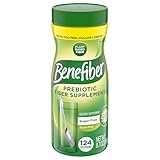
👉 Recovery Tip: Drink plenty of water and eat fiber-rich foods.
🛍 Shop here:
Fiber Supplement Powder



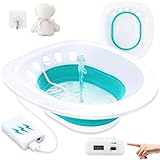
8. Hemorrhoids
Swollen veins around the rectum are common after pregnancy and vaginal birth. They often improve with time and supportive care.
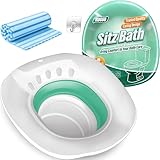
👉 Recovery Tip: Warm sitz baths may provide soothing relief.
🛍 Shop here:
Sitz Bath Kit


9. Mild Hair Shedding
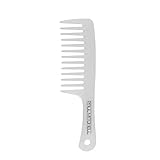
Many new moms notice increased hair shedding a few months after giving birth. This temporary hair loss is caused by shifting hormone levels.
👉 Recovery Tip: Use a gentle shampoo and avoid tight hairstyles.
🛍 Shop here:
Wide-Tooth Comb


10. Swollen Feet and Ankles
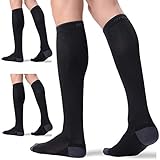
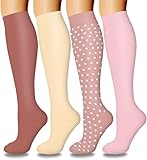
Extra fluid from pregnancy can take several days to leave your body, causing temporary swelling.
👉 Recovery Tip: Elevate your feet whenever possible.
🛍 Shop here:
Compression Socks


11. Mood Swings (“Baby Blues”)
Feeling emotional, tearful, or overwhelmed during the first two weeks after birth is common due to hormonal changes and sleep deprivation.
👉 Recovery Tip: Talk openly with someone you trust about how you’re feeling.
🛍 Shop here:
Guided Postpartum Journal


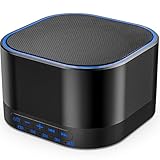
12. Difficulty Sleeping
Even when your baby is asleep, it can take time for your body and mind to relax.
👉 Recovery Tip: Limit caffeine later in the day and create a calming bedtime routine.
🛍 Shop here:
White Noise Machine


13. Mild Back Pain
Your muscles and joints are still recovering from pregnancy and childbirth, making temporary back pain fairly common.
👉 Recovery Tip: Practice good posture while feeding your baby.
🛍 Shop here:
Lumbar Support Pillow


14. Mild Urinary Leaks
Pelvic floor muscles may be temporarily weakened after pregnancy, leading to occasional urine leakage when coughing, sneezing, or laughing.
👉 Recovery Tip: Ask your healthcare provider when it’s appropriate to begin pelvic floor exercises.
🛍 Shop here:
Postpartum Protective Pads


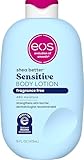
15. Dry Skin
Hormonal shifts and fluid changes may temporarily leave your skin feeling drier than usual.
👉 Recovery Tip: Apply fragrance-free moisturizer after showering.
🛍 Shop here:
Fragrance-Free Body Lotion



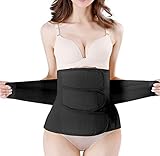
16. Mild Abdominal Tenderness
Your abdominal muscles and tissues need time to recover after pregnancy and delivery, so some tenderness is expected.
👉 Recovery Tip: Avoid heavy lifting until your provider says it’s safe.
🛍 Shop here:
Postpartum Belly Support Band


17. Increased Thirst
Your body needs extra fluids during recovery, especially if you’re breastfeeding.
👉 Recovery Tip: Keep a reusable water bottle nearby throughout the day.
🛍 Shop here:
Large Water Bottle with Straw


18. Stretch Marks
Stretch marks often fade gradually over time, although they may not disappear completely.
👉 Recovery Tip: Keeping your skin moisturized may help improve comfort and appearance.
🛍 Shop here:
Stretch Mark Cream


19. Mild Pelvic Pressure
Your pelvic floor is still healing, so a feeling of heaviness or pressure can occur during early recovery.
👉 Recovery Tip: Avoid standing for long periods if you feel uncomfortable.
🛍 Shop here:
Memory Foam Seat Cushion


20. Appetite Changes
Some new moms feel hungrier than usual, while others have a reduced appetite during the first few weeks.
👉 Recovery Tip: Choose nourishing meals and snacks even if your appetite changes.
🛍 Shop here:
Glass Meal Prep Containers


![C CREST [10 Pack] Glass Meal Prep Containers, Food Storage Containers with Lids Airtight, Glass Lunch Boxes, Microwave, Oven, Freezer and Dishwasher Safe](https://m.media-amazon.com/images/I/51KtYzS-grL._SL160_.jpg)
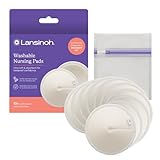
21. Breast Milk Leaking
Leaking milk between feedings is completely normal, particularly during the early weeks of breastfeeding.
👉 Recovery Tip: Keep breast pads in your nursing bra when you’re away from home.
🛍 Shop here:
Reusable Nursing Pads


22. Feeling Warm More Often
Hormonal fluctuations can temporarily affect your body’s temperature regulation.
👉 Recovery Tip: Dress in lightweight layers that are easy to remove.
🛍 Shop here:
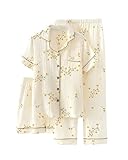
Breathable Cotton Pajamas


23. Mild Joint Aches
Relaxin and other pregnancy hormones gradually decrease after birth, and your joints may feel achy while your body adjusts.
👉 Recovery Tip: Gentle stretching may help ease stiffness.
🛍 Shop here:
Yoga Stretch Strap


24. Feeling Emotionally Sensitive
You may find yourself crying more easily or feeling extra emotional as you adjust to life with a newborn. This is common in the early postpartum period.
👉 Recovery Tip: Make time for small moments of self-care and ask for support when needed.
🛍 Shop here:
Self-Care Gift Box




25. A Slowly Shrinking Baby Bump
It takes time for your uterus, abdominal muscles, and body to recover after pregnancy. Your belly won’t return to its pre-pregnancy shape immediately, and that’s completely normal.
👉 Recovery Tip: Focus on healing rather than rushing postpartum weight loss.
🛍 Shop here:
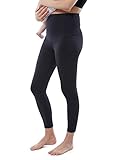
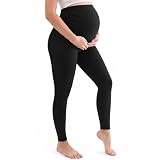
Comfortable Postpartum Leggings


Every postpartum journey is unique, and healing happens at its own pace. While many physical and emotional changes are a normal part of recovery, it’s always okay to ask questions or seek reassurance from your healthcare provider. Give yourself grace, prioritize rest when possible, and remember that caring for yourself is an important part of caring for your baby.
Save this post to your Pinterest board so you can come back to these helpful postpartum recovery reminders anytime!