
This Post Contains Affiliate Links. Please Read Our Disclosure for Full Information.
Everyone talks about labor and delivery, but far fewer people prepare new moms for what happens afterward. Postpartum recovery is physical, emotional, and deeply personal—and no two experiences are exactly alike. While some changes are expected, others can be surprising, confusing, or even overwhelming. Knowing what’s normal (and when to ask for help) can make those first weeks feel a little less intimidating. Here are 30 honest things every new mom should know about postpartum recovery before bringing baby home.
1. Recovery Takes Longer Than Six Weeks
The six-week postpartum checkup doesn’t mean your body has fully healed. Muscles, hormones, sleep patterns, and emotional health often continue changing for several months—or even longer. Give yourself permission to recover at your own pace instead of comparing yourself to unrealistic expectations.
👉 Mom Tip: Celebrate small milestones instead of rushing to “bounce back.”
🛍 Shop here:
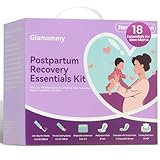
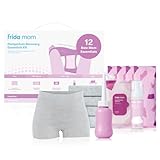
Postpartum Recovery Kit



2. The First Bathroom Trip Can Be Intimidating
Many moms are surprised by how scary that first trip to the bathroom feels after delivery. Whether you had a vaginal birth or a C-section, tenderness is common, but following your healthcare provider’s instructions and staying hydrated can make things easier.
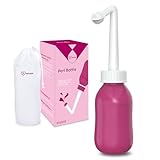
👉 Mom Tip: Don’t wait until you’re uncomfortable—use your peri bottle and any recommended pain relief products.
🛍 Shop here:
Peri Bottle for Postpartum Care



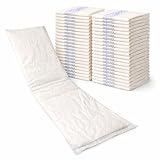
3. Bleeding Can Last for Weeks
Postpartum bleeding, called lochia, is completely normal and often changes from bright red to pink, brown, and eventually yellowish-white over several weeks. The amount varies from person to person.
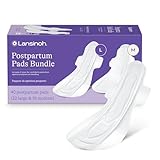
👉 Mom Tip: Use maternity pads instead of tampons unless your healthcare provider says otherwise.
🛍 Shop here:
Postpartum Maternity Pads


4. Your Hormones Change Fast
Hormone levels shift dramatically after birth, which can affect your mood, energy, appetite, and even your body temperature. Feeling emotional in the first few days is common as your body adjusts.
👉 Mom Tip: Rest whenever possible and talk openly about how you’re feeling with someone you trust.
🛍 Shop here:
Comfortable Nursing Pajamas




5. Night Sweats Are Surprisingly Common
Many women wake up drenched in sweat during the first week or two after delivery. This happens because your body is adjusting hormone levels and getting rid of extra fluid from pregnancy.
👉 Mom Tip: Keep lightweight pajamas and an extra set of sheets nearby.
🛍 Shop here:
Cooling Bed Sheets




6. Breastfeeding Can Be Harder Than Expected
Although breastfeeding is natural, it isn’t always easy. Soreness, latch challenges, engorgement, and learning together are common experiences for many moms.
👉 Mom Tip: Don’t hesitate to reach out to a lactation consultant if you need support.
🛍 Shop here:
Nipple Cream for Breastfeeding


7. Sleep Deprivation Affects Everything
Broken sleep doesn’t just make you tired—it can influence mood, healing, memory, and patience. Even short naps can make a noticeable difference during those early weeks.
👉 Mom Tip: Accept help whenever someone offers to watch the baby while you rest.
🛍 Shop here:
Blackout Sleep Mask


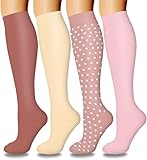
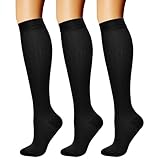
8. Swelling Doesn’t Disappear Overnight
Many moms notice swollen feet, ankles, or hands for several days after birth. Your body is gradually eliminating the extra fluid from pregnancy and labor.
👉 Mom Tip: Stay hydrated and elevate your feet when possible.
🛍 Shop here:
Compression Socks for Women


9. Your Core Needs Time to Heal
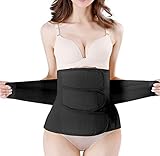
Your abdominal muscles have stretched significantly during pregnancy. It’s normal to feel weaker than expected, and rebuilding core strength should happen gradually with guidance from your healthcare provider.
👉 Mom Tip: Focus on gentle movement instead of intense workouts in the early weeks.
🛍 Shop here:
Postpartum Belly Support Band


10. It’s Okay to Ask for Help
You don’t have to do everything on your own. Accepting help with meals, laundry, cleaning, or baby care allows you to focus on healing and bonding with your newborn.
👉 Mom Tip: Create a simple list of tasks visitors can help with instead of feeling pressured to host them.
🛍 Shop here:
Meal Prep Containers


11. You Might Not Feel Like Yourself Right Away
Many new moms expect an instant return to “normal,” but it’s completely common to feel like you’re adjusting to a brand-new version of yourself. Recovery includes both physical healing and emotional adaptation.
👉 Mom Tip: Be patient with yourself—healing and confidence often grow together over time.
🛍 Shop here:
Postpartum Self-Care Gift Set


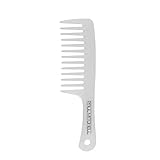
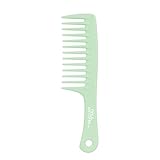
12. Your Hair May Start Falling Out
A few months after giving birth, many women experience increased hair shedding due to hormonal changes. While it can feel alarming, it’s usually temporary and gradually improves.
👉 Mom Tip: Use a gentle brush and avoid tight hairstyles that can increase breakage.
🛍 Shop here:
Wide-Tooth Detangling Comb


13. Your Appetite May Change
Some moms feel constantly hungry, especially if they’re breastfeeding, while others temporarily lose their appetite. Both experiences can happen as your body adjusts after birth.
👉 Mom Tip: Keep easy, nutritious snacks nearby so eating feels less like another task.
🛍 Shop here:
Snack Storage Containers




14. Staying Hydrated Matters More Than You Think
Proper hydration supports recovery and is especially important if you’re breastfeeding. Even mild dehydration can contribute to fatigue and headaches.
👉 Mom Tip: Keep a large water bottle within arm’s reach wherever you usually feed your baby.
🛍 Shop here:
Large Insulated Water Bottle


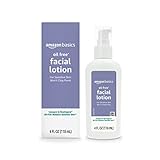
15. Your Skin May Look Different
Pregnancy hormones can continue affecting your skin after delivery. Some moms notice acne, dryness, increased sensitivity, or lingering pigmentation before things gradually settle.
👉 Mom Tip: Stick with a simple, gentle skincare routine while your skin adjusts.
🛍 Shop here:
Gentle Facial Moisturizer



16. Your Emotions Can Change from Hour to Hour
It’s common to laugh one minute and cry the next during the early postpartum period. Hormonal shifts, exhaustion, and the adjustment to caring for a newborn all play a role. If intense sadness, hopelessness, or anxiety lasts longer than two weeks or feels overwhelming, it’s important to contact your healthcare provider.
👉 Mom Tip: Check in with yourself daily and don’t hesitate to ask for professional support if something doesn’t feel right.
🛍 Shop here:
Guided Postpartum Journal


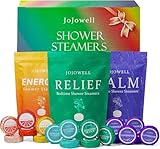
17. You May Need to Redefine Self-Care
Self-care after having a baby often looks very different than it did before. Sometimes it’s a warm shower, a quiet cup of tea, or ten uninterrupted minutes to yourself—and that’s enough.
👉 Mom Tip: Focus on small moments of rest instead of waiting for a “perfect” self-care day.
🛍 Shop here:
Aromatherapy Shower Steamers


18. Walking Can Feel Like a Big Milestone
Even short walks around your home or neighborhood can feel challenging at first. Gentle movement, when approved by your healthcare provider, may support recovery and boost your mood.
👉 Mom Tip: Start slowly and gradually increase your activity as you feel stronger.
🛍 Shop here:
Supportive Walking Shoes for Women


19. Visitors Can Be Both Wonderful and Exhausting
Loved ones are often excited to meet the baby, but hosting visitors can also be tiring while you’re recovering. It’s okay to set boundaries and prioritize your rest.
👉 Mom Tip: Schedule visits for times that work best for you and keep them short if needed.
🛍 Shop here:
Cozy Nursing Robe


20. Every Recovery Story Is Different
Some moms feel stronger after a few weeks, while others need several months. Your birth experience, overall health, sleep, and support system all influence recovery.
👉 Mom Tip: Avoid comparing your healing timeline to social media or other parents’ experiences.
🛍 Shop here:
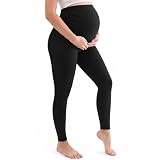
Comfortable Postpartum Leggings



21. Your Pelvic Floor Needs Gentle Care
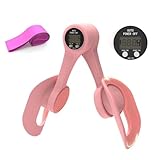
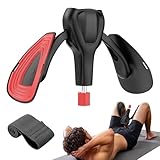
Pregnancy and childbirth place a lot of stress on your pelvic floor muscles. Some moms notice weakness, heaviness, or occasional urine leakage during the early weeks. These symptoms often improve over time, and a pelvic floor physical therapist can help if they persist.
👉 Mom Tip: Ask your healthcare provider when it’s appropriate to begin gentle pelvic floor exercises.
🛍 Shop here:
Pelvic Floor Exercise Trainer


22. Your Clothes May Fit Differently for a While
Your body continues changing long after delivery. Even after the baby is born, your hips, waist, and bust may not return to their pre-pregnancy shape immediately—or they may change permanently.
👉 Mom Tip: Choose soft, comfortable clothing that makes you feel good instead of focusing on clothing sizes.
🛍 Shop here:
Postpartum Lounge Set


23. Nutrition Helps Your Body Heal
Your body has done an incredible amount of work. Eating balanced meals with protein, fruits, vegetables, healthy fats, and whole grains supports tissue repair and helps replenish your energy.
👉 Mom Tip: Prepare freezer meals before delivery or ask friends and family to help with meal planning.
🛍 Shop here:
Glass Meal Prep Containers


![C CREST [10 Pack] Glass Meal Prep Containers, Food Storage Containers with Lids Airtight, Glass Lunch Boxes, Microwave, Oven, Freezer and Dishwasher Safe](https://m.media-amazon.com/images/I/51KtYzS-grL._SL160_.jpg)
24. Recovery Includes Mental Healing Too
Physical recovery is only one part of the postpartum journey. Processing your birth experience, adjusting to parenthood, and finding a new routine can take time. It’s okay if your emotions don’t match what you expected.
👉 Mom Tip: Talking with trusted friends, family, or a mental health professional can make a big difference.
🛍 Shop here:
Guided Gratitude Journal


25. Accepting Help Is a Strength
Many new moms feel pressure to do everything themselves. In reality, allowing others to cook meals, fold laundry, or hold the baby while you shower gives your body valuable time to recover.
👉 Mom Tip: Keep a small list of practical tasks visitors can help with.
🛍 Shop here:
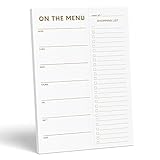
Family Meal Planner Notepad



26. It’s Okay If Bonding Takes Time
Some parents feel an instant connection with their baby, while others develop that bond gradually over days or weeks. Both experiences can be normal.
👉 Mom Tip: Spend quiet moments holding, talking, singing, or making eye contact with your baby without putting pressure on yourself.
🛍 Shop here:
Baby Wrap Carrier


27. Small Daily Wins Matter
Some days, simply eating breakfast, taking a shower, or getting outside for five minutes is a huge accomplishment. Progress during postpartum recovery often happens in small, meaningful steps.
👉 Mom Tip: Celebrate what you accomplished today instead of focusing on everything left to do.
🛍 Shop here:
Daily Planner Notebook


28. Your Follow-Up Appointments Matter
Even if you’re feeling well, postpartum checkups are an important part of recovery. They give you a chance to discuss healing, physical symptoms, emotional well-being, breastfeeding questions, and future health concerns.
👉 Mom Tip: Write down your questions ahead of time so you don’t forget them during the appointment.
🛍 Shop here:
Medical Appointment Notebook



29. Healing Isn’t Always Linear
Some days you’ll feel full of energy, while other days may feel more difficult. It’s normal for recovery to have ups and downs rather than following a perfectly straight path.
👉 Mom Tip: Listen to your body and adjust your activity level based on how you’re feeling.
🛍 Shop here:
Heating Pad for Muscle Comfort


30. You Deserve the Same Care You Give Your Baby
New moms naturally focus on caring for their newborn, but your health matters just as much. Nourishing yourself, resting when possible, and seeking support when needed help you care for both yourself and your baby.
👉 Mom Tip: Remember that taking care of yourself isn’t selfish—it’s an important part of caring for your family.
🛍 Shop here:
Self-Care Gift Basket for Moms




Conclusion
Postpartum recovery is a journey, not a race. Every mom heals differently, and every experience is unique. By understanding what to expect, accepting support, and giving yourself grace, you can focus on healing one day at a time. Remember, it’s perfectly okay to ask questions, seek help, and prioritize your own well-being alongside your baby’s. A healthier, supported mom is one of the greatest gifts a newborn can have.
Save this post to your Postpartum Recovery Pinterest board so you can revisit these reminders whenever you need encouragement during your motherhood journey.