This Post Contains Affiliate Links. Please Read Our Disclosure for Full Information.
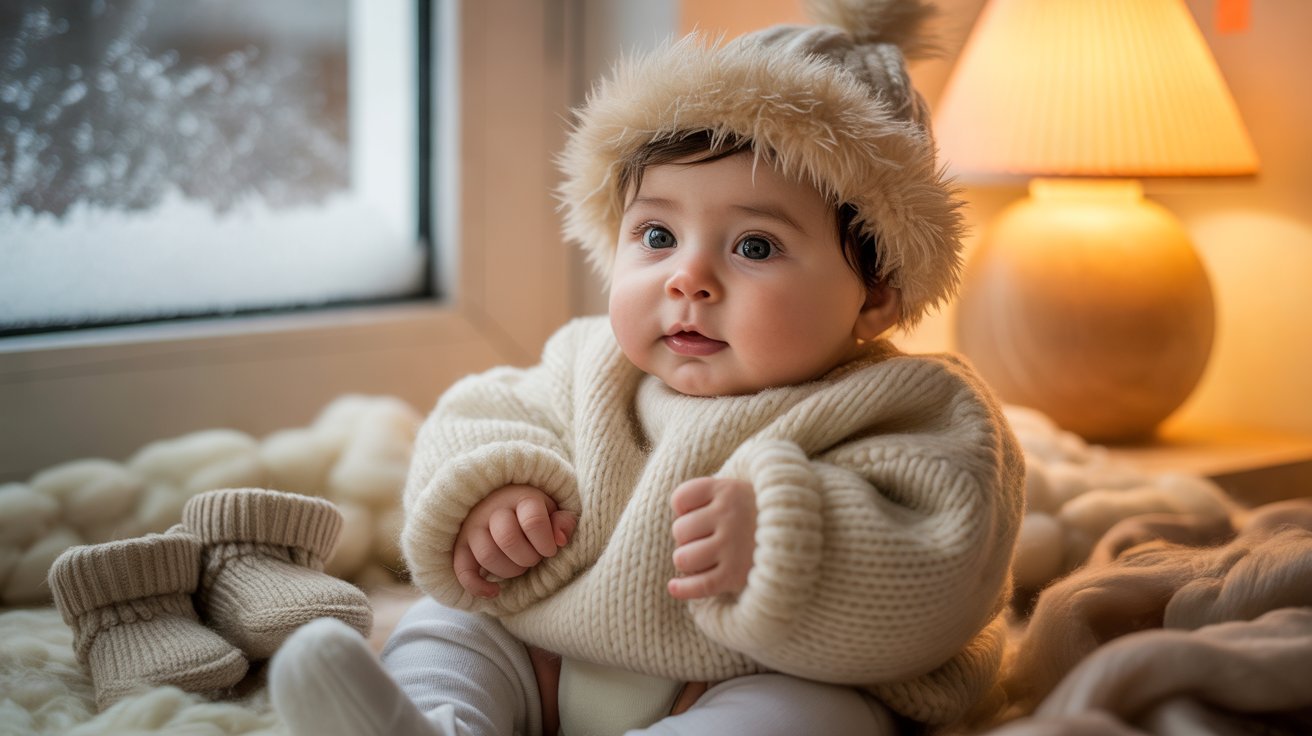
Winter with a baby is a whole different experience, isn’t it? ❄️ One minute, you’re admiring your little one’s adorable fuzzy socks, and the next, you’re wondering whether they’re too cold, too warm, or somehow both!
If you’re a new mom, keeping your baby comfortable and healthy during colder months can feel a little overwhelming. Between dry skin, stuffy noses, chilly nights, and figuring out the right number of clothing layers, there’s definitely a lot to think about.
But here’s the good news: baby winter care doesn’t have to be complicated.
With a few simple precautions and the right essentials, you can help your little one stay warm, comfortable, and safe throughout the season.
These 25 baby winter care tips every new mom should know cover everything from winter clothing and skincare to safe sleeping, bathing, and protecting your baby from seasonal illnesses. Let’s make those cozy winter days a little easier, mama! 💕
1. Dress Your Baby in Comfortable Layers
When temperatures drop, layering is one of the easiest ways to keep your baby comfortable without overheating.
Start with a soft cotton bodysuit, add a warm sleeper or outfit, and use another light layer when necessary. As a general starting point, babies may need one more clothing layer than an adult would wear in the same environment.
✨ Parenting Tip: Check your baby’s chest or upper back rather than their hands to judge warmth. Sweating or a hot chest can mean they’re overdressed.
Shop cozy baby winter layering clothes on Amazon.

2. Choose Soft, Breathable Winter Clothing
Your baby’s skin is delicate, so winter clothing should feel soft rather than scratchy or restrictive.
Cotton bodysuits, breathable sleepers, and comfortable fleece layers are practical options. Avoid rough fabrics directly against the skin, tight necklines, and clothing with loose decorations that could detach.
Look for outfits that allow your baby to move their arms and legs freely.
✨ Parenting Tip: Wash new baby clothes with a mild, fragrance-free detergent before the first wear.
Find comfortable soft cotton baby winter clothes on Amazon.

3. Keep Your Baby’s Head Warm Outdoors
A baby’s head can lose heat when exposed to cold outdoor temperatures, so a properly fitted hat is useful during chilly walks.
Choose a soft hat that covers the ears without slipping over the eyes or face. Make sure it doesn’t have long strings or loose accessories.
Once you’re back indoors or inside a warm vehicle, remove the hat to prevent overheating.
✨ Parenting Tip: Babies shouldn’t wear hats during indoor sleep. Keeping their heads uncovered helps them regulate body temperature safely.
Shop a soft baby winter hat on Amazon.

4. Protect Your Baby’s Skin From Winter Dryness
Cold outdoor air and indoor heating can make your baby’s skin feel dry, rough, or flaky.
A gentle, fragrance-free moisturizer can help protect the skin barrier and reduce moisture loss.
Apply a baby-friendly cream or ointment after bathing while the skin is still slightly damp. Pay attention to dry areas on the cheeks, arms, and legs.
✨ Parenting Tip: Choose products specifically formulated for sensitive baby skin and avoid heavily fragranced lotions.
Explore fragrance-free baby moisturizers on Amazon.


5. Use Lukewarm Water for Baby Baths
A warm bath can be a lovely part of your baby’s winter routine, but hot water can irritate delicate skin.
Use comfortably warm water, around 100°F (38°C), and keep baths brief. Test the temperature with a bath thermometer or your wrist before placing your baby in the tub.
Always support your baby’s head and body during bathing.
✨ Parenting Tip: Have towels, clean clothes, and diapers ready beforehand so your baby doesn’t stay wet and chilly afterward. Never leave a baby alone in bathwater, even for a second.
Find a baby bath thermometer on Amazon.

6. Avoid Bathing Your Baby Too Frequently
Daily baths aren’t always necessary, especially for newborns who aren’t getting particularly dirty.
Bathing too often, especially with soap, can remove natural oils and worsen winter dryness.
For many young babies, two or three baths per week are sufficient, provided the diaper area, face, and skin folds are cleaned as needed.
✨ Parenting Tip: Use a gentle, fragrance-free baby cleanser sparingly and moisturize afterward. Follow your pediatrician’s advice if your baby has eczema or another skin condition.
Shop a gentle fragrance-free baby wash on Amazon.

7. Keep Your Baby’s Sleeping Area Comfortably Warm
Winter nights can make parents worry about whether their baby is warm enough.
The safest approach is to maintain a comfortable room temperature for a lightly clothed adult rather than making the nursery excessively warm.
Keep cribs away from direct heat sources, space heaters, and cold drafts. Check your baby’s chest for signs of overheating.
✨ Parenting Tip: Use a room thermometer to monitor conditions, but don’t rely on a single temperature reading instead of observing your baby’s comfort.
Browse nursery room thermometers on Amazon.

8. Choose a Wearable Blanket for Safe Winter Sleep
Loose blankets might look cozy, but they can create suffocation hazards for sleeping babies.
Instead, consider an appropriately sized wearable blanket or sleep sack designed for your baby’s age and development.
Choose the warmth rating based on the room conditions and the manufacturer’s guidance. Avoid weighted sleep sacks and products that restrict movement.
✨ Parenting Tip: Always place your baby on their back on a firm, flat sleep surface with no loose blankets, pillows, bumpers, or stuffed animals.
Shop a non-weighted baby sleep sack on Amazon.

9. Keep Your Baby’s Nose Comfortable With Saline Drops
Dry indoor air and seasonal colds can leave babies with stuffy noses, making feeding and sleeping more difficult.
Plain saline drops can help loosen nasal mucus. If needed, gently remove loosened mucus using an infant nasal aspirator.
Avoid frequent or aggressive suctioning because it can irritate the nasal passages.
✨ Parenting Tip: Use only infant-appropriate plain saline products and follow the instructions. Contact your pediatrician if your baby has breathing difficulty, poor feeding, or persistent congestion.
Find infant saline nasal drops on Amazon.

10. Use a Cool-Mist Humidifier Carefully
Indoor heating can reduce humidity, leaving the air feeling dry.
A cool-mist humidifier may help make your baby’s room more comfortable when indoor air is unusually dry.
Use a hygrometer to monitor humidity and aim for approximately 30–50%. Excessive humidity can encourage mold and dust mites.
✨ Parenting Tip: Empty, dry, and clean the humidifier according to its instructions. Keep it out of your baby’s reach and avoid adding essential oils or fragrances.
Shop a cool mist nursery humidifier on Amazon.

11. Protect Your Baby’s Cheeks From Cold Wind
Those adorable little cheeks can become dry and irritated when exposed to chilly wind.
Before going outdoors, apply a thin layer of fragrance-free baby moisturizer or a suitable protective ointment to exposed skin.
Use your stroller’s weather shield when appropriate, ensuring proper ventilation and following the manufacturer’s instructions.
✨ Parenting Tip: Never cover your baby’s face or tightly drape blankets over a stroller. Check frequently for overheating, discomfort, or wind exposure.
Find a baby protective skin ointment on Amazon.

12. Keep Baby Socks Comfortable and Secure
Tiny baby socks are ridiculously cute, but they also serve a practical purpose during colder weather. 🧦
Choose soft socks that fit comfortably without leaving deep marks around the ankles.
For babies who frequently kick off their socks, footed sleepers can be an easier alternative.
Remember that cool hands and feet don’t automatically mean your baby is cold.
✨ Parenting Tip: Check the chest or upper back before adding clothing layers. Avoid tight socks that restrict circulation.
Browse soft cotton baby socks on Amazon.

13. Keep Feeding Routines Consistent During Winter
Babies still need regular feeding throughout winter, even when they’re sleeping more or spending extra time indoors.
Continue breastfeeding or offering formula according to your baby’s age, feeding cues, and pediatrician’s recommendations.
Breast milk or properly prepared infant formula provides the hydration young babies need.
✨ Parenting Tip: Babies younger than six months generally shouldn’t receive extra water unless specifically advised by a clinician. Watch for fewer wet diapers, poor feeding, or unusual sleepiness, which may indicate illness or dehydration.
Shop a baby feeding tracking notebook on Amazon.

14. Protect Your Baby From Seasonal Germs
Winter often brings increased circulation of respiratory viruses, including RSV, influenza, and common cold viruses.
Wash your hands before handling your baby, encourage visitors to do the same, and avoid close contact with anyone who is sick.
Regularly clean frequently touched surfaces and toys according to their care instructions.
✨ Parenting Tip: Ask your pediatrician about recommended immunizations and RSV protection based on your baby’s age, health, and local guidelines. Avoid crowded indoor settings when respiratory illnesses are circulating heavily.
Find a baby-safe toy cleaning kit on Amazon.

15. Use a Warm Stroller Cover for Outdoor Walks
A winter stroller cover can make chilly outings more comfortable without requiring excessively bulky clothing.
Choose a weather-appropriate stroller footmuff or cover compatible with your stroller.
Make sure the harness fits correctly and your baby’s face remains completely uncovered.
✨ Parenting Tip: Never seal your baby inside an airtight stroller cover. Check regularly for overheating and remove extra layers when entering heated buildings.
Shop a winter stroller footmuff on Amazon.

16. Avoid Bulky Jackets in Your Baby’s Car Seat
This winter safety tip is seriously important, mama!
Thick puffy jackets and snowsuits can compress during a collision, creating dangerous slack in a car seat harness.
Instead, dress your baby in thin, warm layers and fasten the harness snugly.
You can place a blanket over the secured harness for warmth, keeping it away from the face.
✨ Parenting Tip: Never place bulky clothing or extra padding between your baby and the harness. Follow your car seat manufacturer’s instructions.
Browse thin fleece baby jackets on Amazon.

17. Choose Gentle Laundry Products for Baby Clothes
During winter, your baby may wear several layers throughout the day, increasing contact between clothing and sensitive skin.
Strong fragrances, dyes, and detergent residue can irritate some babies.
Choose a gentle, fragrance-free laundry detergent and use the recommended amount rather than adding extra soap.
✨ Parenting Tip: Wash baby clothes thoroughly and avoid heavily fragranced fabric softeners if your little one has sensitive skin or eczema.
Shop a fragrance-free baby laundry detergent on Amazon.

18. Prevent Diaper Rash During Cold Weather
Even during winter, moisture trapped inside a diaper can irritate your baby’s delicate skin.
Change wet or soiled diapers promptly, gently clean the diaper area, and allow the skin to dry before putting on a fresh diaper.
A suitable barrier cream containing zinc oxide or petrolatum can help protect irritated skin.
✨ Parenting Tip: Avoid rubbing the skin aggressively or using heavily fragranced wipes. Contact your pediatrician if the rash is severe, blistering, spreading, or not improving.
Find a zinc oxide baby diaper rash cream on Amazon.

19. Keep Baby Blankets for Supervised Use Only
Soft blankets can be useful for keeping your baby cozy during supervised cuddles or stroller outings.
Choose lightweight, breathable materials and adjust coverage according to the temperature.
However, blankets should never cover your baby’s face or create a risk of entanglement.
✨ Parenting Tip: Remove loose blankets before placing your baby in a crib, bassinet, or other sleep space. A correctly fitted, non-weighted sleep sack is a safer option for sleep.
Shop a soft cotton baby blanket on Amazon.

20. Monitor Your Baby for Signs of Overheating
Keeping your baby warm is important, but overheating can be dangerous, especially during sleep.
Watch for sweating, flushed skin, a hot chest, or unusual discomfort.
If your baby feels too warm, remove a clothing layer and reassess the room temperature.
Remember that cold hands alone aren’t a reliable sign that your baby needs more layers.
✨ Parenting Tip: Avoid electric blankets, heating pads, hot water bottles, and space heaters close to your baby’s sleeping area.
Find a digital nursery thermometer on Amazon.

21. Choose Footed Pajamas for Cozy Winter Nights
Footed pajamas are a convenient winter clothing option because they keep your baby’s legs and feet covered without needing separate socks.
Look for breathable, properly fitting sleepers that allow comfortable movement.
Choose warmth based on the nursery temperature rather than automatically selecting the thickest fabric available.
✨ Parenting Tip: Avoid pajamas with hoods, loose accessories, or dangling ties for sleep. Check that the fabric doesn’t bunch around your baby’s face.
Browse baby footed winter pajamas on Amazon.

22. Watch for Signs of Winter Illness
Babies can develop respiratory infections during winter, so recognizing early warning signs is essential.
Pay attention to fever, unusual sleepiness, feeding difficulties, persistent coughing, and changes in breathing.
A digital thermometer can help you check your baby’s temperature accurately when illness is suspected.
✨ Parenting Tip: A temperature of 100.4°F (38°C) or higher in a baby younger than three months requires immediate medical evaluation. Seek emergency care for breathing difficulty, blue lips, or difficulty waking your baby.
Shop a digital baby thermometer on Amazon.

23. Protect Your Baby’s Lips From Dryness
Winter air can sometimes leave your baby’s lips looking dry or chapped.
Drooling, frequent wiping, and exposure to cold wind may also contribute to irritation around the mouth.
Gently pat the area dry rather than rubbing. If needed, ask your pediatrician about using a small amount of plain, fragrance-free petrolatum as a protective barrier.
✨ Parenting Tip: Avoid flavored lip balms, menthol products, and essential oils on your baby’s lips. Seek medical advice for cracked, bleeding, or persistent irritation.
Find plain petroleum jelly on Amazon.

24. Create a Winter Baby Essentials Basket
When you’re caring for a newborn, convenience is everything!
Create a small winter-care basket with diapers, fragrance-free moisturizer, clean washcloths, spare socks, and other everyday essentials.
Keep it in an accessible location so you don’t have to search through drawers during every diaper change or outfit adjustment.
✨ Parenting Tip: Keep creams, medications, and small accessories out of your baby’s reach. Place the basket away from the crib and changing surface.
Shop a baby essentials storage basket on Amazon.

25. Follow a Simple and Safe Winter Baby Care Routine
The best winter baby-care routine isn’t the most complicated one. It’s the one that keeps your little one comfortable while making everyday parenting manageable.
Focus on appropriate clothing layers, gentle skincare, regular feeding, safe sleep, and monitoring for illness.
You don’t need dozens of special products to care for your baby during winter.
✨ Parenting Tip: Keep a simple baby-care checklist for feeding, diaper changes, skincare, and essential supplies. Adjust the routine based on your baby’s age and your pediatrician’s advice.
Find a practical baby care routine planner on Amazon.

Winter Baby Care Checklist for New Moms
Here’s a simple checklist to help you prepare for colder weather without buying unnecessary products.
| Winter baby essential | Why it’s useful |
|---|---|
| Soft cotton bodysuits | Comfortable base layers |
| Footed pajamas | Warmth without separate socks |
| Baby winter hat | Protects the head outdoors |
| Fragrance-free moisturizer | Helps reduce skin dryness |
| Baby bath thermometer | Helps maintain safe bathwater temperature |
| Non-weighted sleep sack | Provides warmth without loose bedding |
| Cool-mist humidifier | Helps when indoor air is excessively dry |
| Plain saline drops | Loosens nasal mucus |
| Digital thermometer | Helps monitor suspected fever |
| Stroller footmuff | Provides warmth during supervised outings |
| Diaper barrier cream | Helps protect against moisture irritation |
| Baby-care organizer | Keeps daily essentials accessible |
You don’t need every item on this list. Choose products based on your baby’s age, local weather, and actual needs.
Common Baby Winter Care Mistakes to Avoid
Even with the best intentions, some winter habits can accidentally make babies uncomfortable or unsafe.
- Overdressing your baby: Too many layers can cause overheating, particularly during sleep.
- Using loose blankets in the crib: Keep the sleep space free of pillows, loose bedding, and stuffed toys.
- Putting thick jackets under car seat harnesses: Bulky clothing can interfere with proper harness fit.
- Giving hot baths: Excessively warm water can irritate or burn delicate skin.
- Using strong fragrances or essential oils: These may irritate your baby’s skin or airways.
- Ignoring fever in young infants: Babies younger than three months with a temperature of 100.4°F (38°C) or higher need immediate medical evaluation.
- Using over-the-counter cough and cold medicines without medical advice: These products can be dangerous for infants.
When you’re unsure about a symptom or treatment, contacting your pediatrician is always the safer choice.
Frequently Asked Questions About Baby Winter Care
How many layers should a baby wear in winter?
As a general guide, babies may need one more layer than an adult wearing comfortable clothing in the same environment. Adjust based on the temperature and your baby’s signs of comfort. Avoid excessive layering during sleep.
Can I take my newborn outside during winter?
Healthy newborns can generally go outside in suitable weather when appropriately dressed. Avoid extreme cold, strong winds, and prolonged exposure. Babies who are premature or have medical conditions may need additional precautions from their pediatrician.
Should I cover my baby’s head while sleeping?
No. Babies should sleep indoors with their heads and faces uncovered. Use suitable sleep clothing or a non-weighted wearable blanket instead of hats and loose blankets.
How often should I moisturize my baby’s skin in winter?
For dry skin, applying a fragrance-free moisturizer after bathing and whenever needed can help. Babies with eczema or persistent irritation may require a specific skincare plan from their pediatrician.
What should I do if my baby develops a cold?
Continue age-appropriate feeding, use plain saline drops when needed, and monitor breathing and wet diapers. Contact your pediatrician if your baby is feeding poorly, seems unusually sleepy, or has worsening symptoms. Seek immediate care for breathing difficulty or fever in a baby younger than three months.
Final Thoughts
Winter with a baby can feel a little intimidating at first, especially when you’re a new mom trying to figure out every tiny detail.
But keeping your little one comfortable during the colder months doesn’t have to be stressful. 💕
The most important baby winter care tips are surprisingly simple: dress your baby in appropriate layers, protect delicate skin from dryness, maintain safe sleeping conditions, continue regular feeding, and watch for signs of illness.
You don’t need a mountain of baby products or a perfectly planned routine. A few reliable essentials and consistent everyday habits can make a big difference.
And remember, every baby is different. What works for one little one might need adjusting for another, especially when it comes to clothing, skincare, and sleep comfort.
So enjoy those cozy cuddles, adorable winter outfits, and quiet moments with your little one. You’re learning together, and that’s part of the journey. ❄️🤍
Save these 25 baby winter care tips every new mom should know to your Pinterest baby care board so you can revisit them whenever the temperatures drop.
Stay warm, stay safe, and enjoy those precious winter snuggles, mama! 💕