This Post Contains Affiliate Links. Please Read Our Disclosure for Full Information.
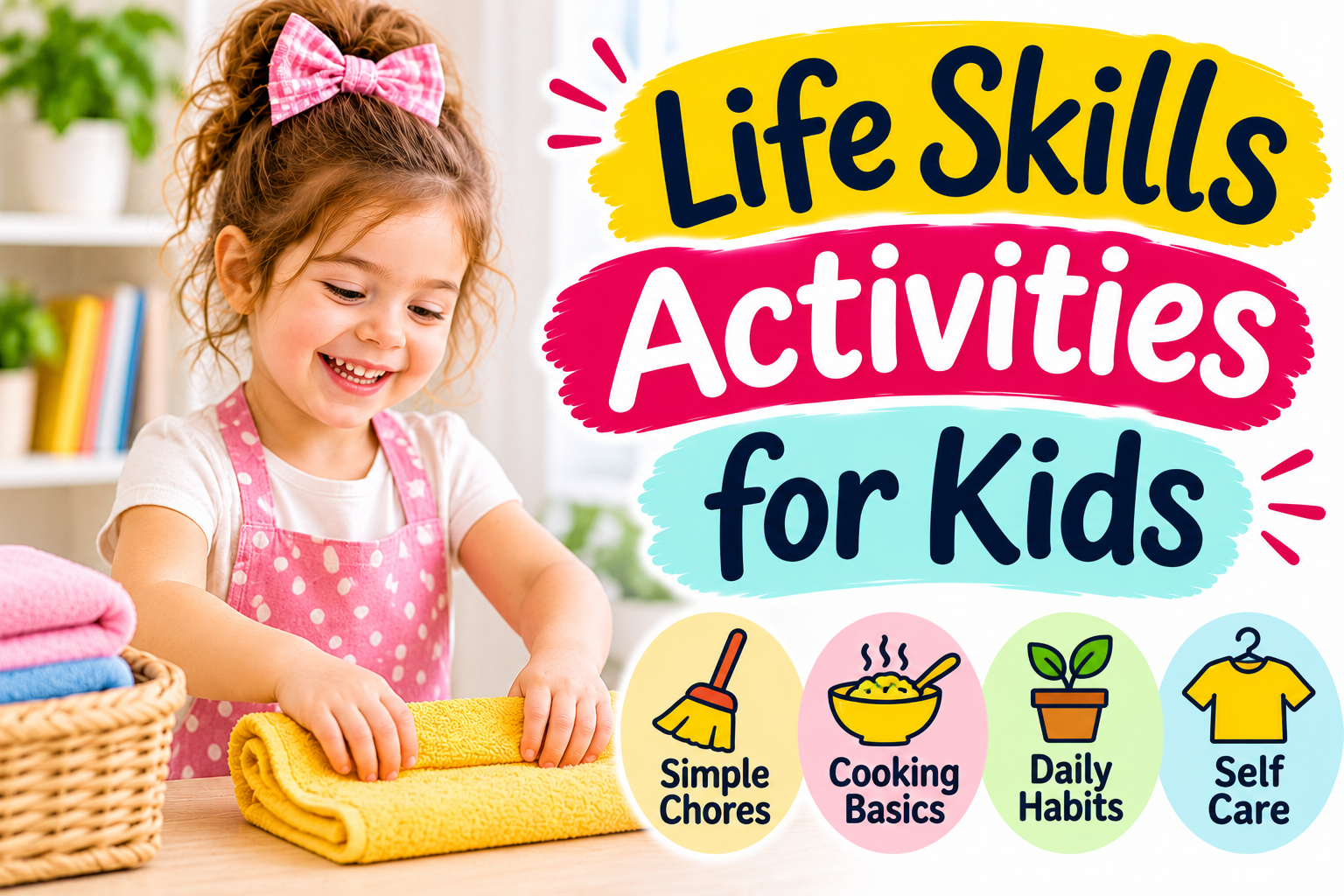
Teaching young kids to help around the house doesn’t have to involve complicated chore charts or endless reminders! 🧸 With simple, age-appropriate tasks, preschoolers and kindergarteners can learn responsibility, independence, and valuable life skills through everyday activities.
These 23 age-appropriate chores for kids ages 3–6 are easy to introduce, fun to practice, and perfect for building helpful habits without overwhelming little ones.
1. Put Toys Back in Their Storage Bins
Putting toys away is one of the easiest chores to introduce to preschoolers.
Place labeled baskets or storage bins around the playroom and encourage your child to return toys after playing.
Start with simple categories like blocks, stuffed animals, and toy cars.
Younger children may need help identifying where each item belongs, while older kids can gradually manage cleanup independently.
✨ Parenting Tip: Use picture labels instead of written words so children who cannot read yet can recognize where toys belong.
Shop kids toy storage bins on Amazon.

2. Make Their Bed Every Morning
Making the bed is a simple morning chore that helps children develop responsibility and consistency.
Start by teaching your child to pull up their blanket, straighten their pillow, and arrange their favorite stuffed animal.
Don’t expect perfectly tucked corners or hotel-quality bedding.
The goal is to help your child take ownership of their personal space.
✨ Parenting Tip: Choose lightweight bedding that’s easy for small hands to manage. Praise effort instead of correcting every wrinkle.
Shop kids lightweight bedding sets on Amazon.

3. Put Dirty Clothes in the Laundry Basket
Teaching kids to put dirty clothes in a hamper is an easy way to introduce everyday household responsibility.
Place a small laundry basket in your child’s bedroom or bathroom and show them where clothes belong after changing.
With regular practice, this can become a natural part of their daily routine.
✨ Parenting Tip: Choose a lightweight hamper with a wide opening so younger children can easily toss clothes inside.
Shop kids laundry hampers on Amazon.

4. Match Clean Socks After Laundry
Matching socks turns an ordinary laundry task into a fun learning activity.
Spread several pairs of clean socks on a table and encourage your child to find matching colors, patterns, and sizes.
This chore supports visual discrimination, sorting, and early problem-solving skills.
✨ Parenting Tip: Start with three or four clearly different pairs for younger children. Older kids can try matching a larger pile.
Shop kids laundry sorting baskets on Amazon.

5. Help Set the Dinner Table
Setting the table is a wonderful way to involve children in family mealtime routines.
Ask your child to place napkins, lightweight plates, and child-safe utensils at each seat.
Younger kids can start with napkins, while older children can gradually handle more items.
✨ Parenting Tip: Use unbreakable plates and child-safe utensils. Avoid asking young children to carry sharp knives, hot dishes, or heavy glassware.
Shop kids unbreakable dinnerware sets on Amazon.

6. Wipe the Table After Meals
Wiping the table is a simple chore that helps children participate in cleaning up after meals.
Give your child a soft, damp cloth and show them how to wipe crumbs and small spills from a reachable surface.
Keep the task short and manageable.
✨ Parenting Tip: Use plain water for young children rather than household cleaning sprays. Adults should handle disinfectants and chemical cleaners.
Shop reusable microfiber cleaning cloths on Amazon.

7. Water Indoor Plants with Help
Watering plants is a fun way to teach children responsibility and introduce basic plant care.
Give your child a small watering can and show them how to add a little water to a suitable houseplant.
Explain that different plants need different amounts of water.
✨ Parenting Tip: Choose child-safe, non-toxic plants and supervise watering to prevent spills and overwatering.
Shop small kids watering cans on Amazon.


8. Organize Books on a Bookshelf
Putting books away is a great chore for young children who enjoy storytime.
Teach your child to return books to a low, accessible shelf after reading.
You can organize books by size, color, or favorite characters to make cleanup more interesting.
✨ Parenting Tip: Use a front-facing bookshelf so younger children can easily recognize book covers. Anchor furniture securely to prevent tipping.
Shop kids front-facing bookshelves on Amazon.

9. Help Feed a Family Pet
Helping care for a family pet can teach children kindness, responsibility, and consistency.
Let your child help measure or carry a small portion of pet food while an adult supervises.
Explain that pets need regular meals, fresh water, and gentle treatment.
✨ Parenting Tip: Adults should control feeding amounts and supervise all interactions. Children should wash their hands after handling pet food or bowls.
Shop pet food measuring scoops on Amazon.

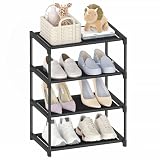
10. Put Shoes in Their Designated Spot
Keeping shoes organized is a simple habit that can make mornings less chaotic.
Create a designated shoe area near the bedroom or entryway.
Encourage your child to place their shoes neatly on a low rack after coming home.
✨ Parenting Tip: Use picture labels or colored markers to help younger children identify their personal shoe storage space.
Shop small kids shoe racks on Amazon.
11. Sort Laundry by Color
Laundry sorting is a practical chore that also introduces early classification skills.
Place two or three baskets on the floor and ask your child to separate light and dark clothing.
Older children can try sorting by clothing type or family member.
✨ Parenting Tip: Keep the activity simple and supervise. Adults should handle detergent, washing machines, and other laundry chemicals.
Shop small laundry sorting baskets on Amazon.

12. Help Unload Safe Dishwasher Items
Older preschoolers can help put away lightweight, unbreakable dishes after the dishwasher has cooled.
Start with plastic cups, silicone utensils, and child-safe plates.
An adult should remove knives, sharp utensils, glassware, and other potentially dangerous items first.
✨ Parenting Tip: Give your child one designated drawer or low cabinet where they can independently place safe dishes.
Shop kids kitchen drawer organizers on Amazon.

13. Dust Low Furniture with a Soft Cloth
Dusting is a manageable chore that helps children feel involved in keeping their home clean.
Give your child a soft microfiber cloth and ask them to wipe a low shelf, sturdy table, or other safe surface.
Avoid areas with fragile decorations or electrical equipment.
✨ Parenting Tip: Turn dusting into a short game by asking your child to find three safe surfaces that need cleaning.
Shop soft microfiber dusting cloths on Amazon.

14. Help Pack Their Preschool Backpack
Packing a backpack helps children practice organization and prepare for their school day.
Create a simple checklist showing a water bottle, lunchbox, extra clothes, and any necessary school supplies.
Let your child gather the items while you check that everything is ready.
✨ Parenting Tip: Use a picture-based backpack checklist so children who cannot read yet can participate independently.
Shop kids visual backpack checklists on Amazon.

15. Put Away Clean Folded Clothes
Putting away clothes is an excellent chore for helping children understand organization.
Give your child a small stack of folded clothes and show them which drawers or shelves they belong in.
Start with easy items like pajamas, socks, and T-shirts.
✨ Parenting Tip: Label dresser drawers with pictures of clothing items to help your child recognize where everything belongs.
Shop kids dresser drawer organizers on Amazon.

16. Sweep Small Areas with a Child-Sized Broom
Sweeping is a fun way for children to practice coordination while helping around the house.
Provide a lightweight child-sized broom and show your child how to sweep crumbs or small pieces of paper into a pile.
Choose a safe, uncluttered area away from stairs.
✨ Parenting Tip: Start with a small section of the kitchen or playroom. Expect imperfect results and focus on learning the movement.
Shop child-sized broom and dustpan sets on Amazon.

17. Help Prepare Simple Snacks
Snack preparation can help children practice independence and basic kitchen skills.
Let your child place crackers on a plate, spread soft toppings with a child-safe utensil, or arrange prepared fruit pieces.
Keep sharp tools and hot appliances out of reach.
✨ Parenting Tip: Choose age-appropriate foods and prepare them safely to reduce choking risks. Adults should handle cutting and supervise eating.
Shop kids snack preparation utensils on Amazon.

18. Refill the Family Napkin Holder
Refilling a napkin holder is a quick, simple chore that even younger preschoolers can enjoy.
Show your child how to place a small stack of napkins inside the holder.
This activity encourages coordination and helps children contribute to family meals.
✨ Parenting Tip: Keep a small stack of napkins in an accessible drawer so your child can help whenever the holder is empty.
Shop easy-fill napkin holders on Amazon.

19. Help Organize Art Supplies
Cleaning up art supplies is a practical way to teach children to care for their belongings.
Provide separate containers for crayons, markers, coloring books, and craft paper.
Ask your child to return materials to their designated spots after creative activities.
✨ Parenting Tip: Use clear containers or picture labels so younger children can easily identify where supplies belong.
Shop kids art supply organizers on Amazon.

20. Help Bring in Lightweight Groceries
Helping unpack groceries can teach children teamwork and introduce basic household organization.
Give your child lightweight, safe items such as paper towels, packaged snacks, or empty reusable shopping bags.
Ask them to place items in designated storage areas.
✨ Parenting Tip: Avoid giving children glass jars, heavy containers, cleaning products, or raw meat packages to carry.
Shop small reusable grocery bags on Amazon.

21. Help Fold Small Towels and Washcloths
Folding small towels is a wonderful beginner laundry chore.
Show your child how to lay a washcloth flat, fold it in half, and place it in a neat stack.
Start with simple square washcloths before introducing larger towels.
✨ Parenting Tip: Turn folding into a matching activity by asking your child to group towels by color or size.
Shop soft cotton washcloth sets on Amazon.

22. Help Clean Up After Craft Activities
Craft cleanup teaches children that creative activities include caring for their workspace.
After drawing, painting, or making simple crafts, ask your child to put away safe supplies and collect large paper scraps.
Provide a small bin for reusable materials and another for trash.
✨ Parenting Tip: Adults should handle scissors, glue spills, sharp tools, and small craft pieces. Keep cleanup short and positive.
Shop kids craft storage organizers on Amazon.

23. Follow a Simple Daily Chore Chart
A daily chore chart helps children remember their responsibilities without constant verbal reminders.
Choose two or three simple tasks, such as putting away toys, placing clothes in the hamper, and organizing shoes.
Use pictures rather than written instructions for younger children.
As your child becomes more confident, gradually introduce additional responsibilities.
✨ Parenting Tip: Focus on consistency and effort rather than perfection. Keep chores manageable and adjust expectations based on your child’s abilities.
Shop picture chore charts for preschoolers on Amazon.

Age-Appropriate Chore Chart for Kids Ages 3–6
Every child develops at their own pace, so chore responsibilities should reflect individual abilities rather than age alone.
Here’s a simple guide to help you get started.
| Age | Suggested Chores |
|---|---|
| 3 Years | Put toys away, place dirty clothes in a hamper, organize books, refill napkins |
| 4 Years | Help make the bed, match socks, wipe tables, sort laundry, organize art supplies |
| 5 Years | Set the table, fold washcloths, help water plants, pack a backpack, sweep small areas |
| 6 Years | Put away folded clothes, help prepare simple snacks, unload safe dishes, assist with groceries, follow a daily chore chart |
These are general suggestions, not developmental requirements. Some children may be ready for certain tasks earlier, while others may need additional support.
Tips for Teaching Young Kids to Do Chores
Introducing chores during the preschool years works best when the experience feels encouraging rather than stressful.
- Start small: Introduce one or two easy chores before adding more responsibilities.
- Demonstrate each task: Show your child exactly what to do instead of relying only on verbal instructions.
- Use visual reminders: Picture-based chore charts are helpful for children who cannot read yet.
- Make chores part of daily routines: Connect cleanup to familiar activities like playtime, meals, and bedtime.
- Offer simple choices: Let your child choose between two appropriate chores to encourage participation.
- Praise effort: Recognize helpful behavior without expecting perfect results.
- Keep tasks short: Young children often respond better to manageable activities than lengthy chore sessions.
- Supervise carefully: Keep cleaning chemicals, sharp objects, hot appliances, and other hazards out of reach.
- Avoid using chores as punishment: Present household tasks as a normal part of family teamwork.
Remember that children ages 3–6 are still developing coordination, attention, and independence. Patience and repetition are essential.
Final Thoughts
Teaching young children to help around the house is about much more than keeping things tidy. 💕
These 23 age-appropriate chores for kids ages 3–6 can help preschoolers and kindergarteners develop confidence, responsibility, independence, and practical everyday skills.
Start with simple tasks your child can manage, such as putting away toys, organizing books, or placing dirty clothes in a hamper.
As their abilities grow, introduce slightly more challenging chores like setting the table, folding washcloths, or helping prepare snacks.
Don’t worry if the towels aren’t perfectly folded or the bed looks a little messy. The goal is participation, not perfection.
With encouragement, patience, and a consistent routine, small household responsibilities can become meaningful learning opportunities.
Little hands can make a big difference—and every small effort deserves encouragement! 🧸✨