This Post Contains Affiliate Links. Please Read Our Disclosure for Full Information.
Teaching preschoolers important life skills doesn’t require expensive toys or complicated lessons! 🌈 Everyday household items can help little ones practice independence, responsibility, and problem-solving through play.
These 21 life skills activities for preschoolers using everyday items are simple, budget-friendly ways to build confidence while making daily routines more fun and meaningful.
1. Practice Pouring Water Between Cups
Pouring water is a wonderful practical life activity that helps preschoolers develop coordination, concentration, and independence.
Place two small plastic cups on a waterproof tray. Fill one with a little water and demonstrate how to slowly pour it into the other.
Let your child practice transferring water back and forth.
Spills are part of the learning process, so keep a towel nearby.
✨ Learning Tip: Start with lightweight cups and small amounts of water. Always supervise water play and encourage your child to help wipe up spills afterward.
Shop preschool pouring activity sets on Amazon.

2. Teach Preschoolers to Fold Washcloths
Folding laundry is an easy way to introduce responsibility and basic organization skills.
Gather several clean washcloths and place them on a table.
Show your preschooler how to fold one washcloth in half, smooth the edges, and stack it neatly.
Start with simple folds before introducing more complicated ones.
This activity supports hand-eye coordination, sequencing, and concentration.
✨ Learning Tip: Use small, square washcloths because they’re easier for little hands to manage than large towels.
Shop kids laundry folding boards on Amazon.

3. Practice Buttoning With an Old Shirt
Learning to button clothing is an important self-care skill for preschoolers.
Find a clean shirt with large buttons and lay it flat on a table.
Demonstrate how to push a button through its buttonhole.
Let your child practice opening and closing the buttons at their own pace.
This activity strengthens finger coordination and helps children become more independent when getting dressed.
✨ Learning Tip: Start with large, securely attached buttons. Inspect clothing for loose buttons that could become choking hazards.
Shop preschool buttoning practice boards on Amazon.

4. Create a Sock Matching and Sorting Activity
Matching socks turns an ordinary laundry task into a fun preschool learning experience.
Gather several pairs of clean socks with different colors and patterns.
Mix them together and encourage your child to find matching pairs.
Once matched, show them how to fold the socks together.
This activity develops observation, matching, sorting, and basic household responsibility.
✨ Learning Tip: Begin with three pairs of clearly different socks. Increase the number as your child becomes more confident.
Shop preschool matching and sorting games on Amazon.

5. Teach Table Setting With Plastic Dishes
Setting the table is a practical life skill that preschoolers can begin learning with simple household items.
Give your child a lightweight plastic plate, cup, spoon, and napkin.
Show them where each item belongs on the table.
You can create a simple paper placemat with outlines showing where everything should go.
✨ Learning Tip: Start with just a plate and spoon before introducing more items. Avoid glass dishes and sharp utensils.
Shop kids table setting placemats on Amazon.

6. Practice Sweeping With a Small Broom
Preschoolers often love copying adults while they clean.
Give your child a lightweight child-sized broom and demonstrate how to sweep a few large paper scraps into a pile.
Place a small dustpan nearby and encourage them to collect the scraps.
This activity develops coordination, responsibility, and an understanding of household routines.
✨ Learning Tip: Use clean paper scraps rather than dust, broken glass, or other potentially harmful materials. Focus on participation instead of perfectly clean floors.
Shop kids broom and dustpan sets on Amazon.

7. Teach Handwashing With a Simple Routine
Handwashing is one of the most valuable self-care skills preschoolers can learn.
Use a stable step stool if needed and demonstrate how to wet hands, apply soap, scrub all surfaces, rinse, and dry.
Practice together before meals and after using the bathroom.
A simple handwashing song can make the routine easier to remember.
✨ Learning Tip: Teach your child to scrub with soap for at least 20 seconds. Supervise sink use and check that the water temperature is comfortable.
Shop kids handwashing routine charts on Amazon.

8. Practice Opening and Closing Food Containers
Opening lunch containers is a helpful independence skill for preschool and kindergarten.
Gather a few clean, empty food-safe containers with easy-to-use lids.
Show your child how to open each container, place the lid beside it, and close it securely.
Practice with different container shapes and sizes.
This supports hand strength, coordination, and problem-solving.
✨ Learning Tip: Choose containers with large parts and no sharp edges. Avoid glass containers or lids with detachable small components.
Shop easy-open lunch containers for kids on Amazon.

9. Teach Preschoolers to Put Away Their Toys
Learning to clean up after playtime helps children develop responsibility and organizational habits.
Place a few labeled baskets around the play area.
Use pictures to show where blocks, stuffed animals, and pretend-play items belong.
Encourage your child to return toys to their designated baskets after playing.
✨ Learning Tip: Start with one category at a time. Instead of saying “Clean everything,” try “Let’s put the blocks in their basket.”
Shop kids toy storage baskets on Amazon.

10. Practice Zipping Jackets and Bags
Zippers can be tricky for little fingers, but practicing with familiar items helps develop independence.
Give your child a jacket or backpack with a large, easy-grip zipper.
Show them how to hold the fabric steady while pulling the zipper.
For jackets, help them connect the zipper at the bottom before encouraging them to pull it upward.
✨ Learning Tip: Start with zippers that are already connected. Let your child master pulling before practicing the more difficult starting step.
Shop preschool zipper practice boards on Amazon.
11. Create a Simple Snack Preparation Activity
Preparing a snack is a wonderful way to introduce basic food preparation skills.
Give your preschooler a clean plate, a child-safe spreading utensil, and a soft food such as hummus or cream cheese.
Show them how to spread a small amount onto an age-appropriate piece of toast.
Let them practice with guidance.
✨ Learning Tip: Wash hands before preparing food. Consider allergies and choking risks, and use only age-appropriate foods and utensils under adult supervision.
Shop kids safe kitchen utensils on Amazon.

12. Teach Preschoolers to Water Plants
Watering plants introduces responsibility and an understanding of how living things grow.
Choose a sturdy, nontoxic houseplant and provide a small watering can.
Show your child how to pour a little water near the base of the plant.
Explain that plants need sunlight, water, and care.
✨ Learning Tip: Check the plant’s watering needs before each session. Avoid toxic plants and keep fertilizers or gardening chemicals out of reach.
Shop small watering cans for kids on Amazon.


13. Practice Brushing Hair With a Mirror
Brushing hair is an everyday self-care task that preschoolers can gradually learn.
Place a child-safe mirror at a comfortable height and give your child a soft hairbrush.
Show them how to brush gently from the ends toward the roots when detangling longer hair.
Encourage them to practice while watching their reflection.
✨ Learning Tip: Choose a brush suitable for your child’s hair type. Help with tangles to avoid pulling or discomfort.
Shop gentle hairbrushes for kids on Amazon.

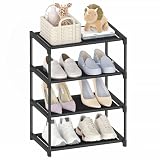
14. Teach Shoe Organization With a Simple Shoe Station
A small shoe station near the door can help preschoolers build daily organization habits.
Place a low shoe rack or labeled basket where your child can easily reach it.
Show them how to place their shoes together after coming inside.
Encourage them to find their own shoes before leaving home.
✨ Learning Tip: Use picture labels or footprints to show where shoes belong. Keep the routine consistent and celebrate small improvements.
Shop kids shoe storage racks on Amazon.
15. Practice Wiping Tables With a Cloth
Cleaning a table is a simple household responsibility that preschoolers can practice safely.
Give your child a clean, slightly damp microfiber cloth.
Demonstrate how to wipe a small section of the table using gentle back-and-forth movements.
Let them help clean their eating area after snacks or meals.
✨ Learning Tip: Use plain water for this activity rather than household cleaning chemicals. Make sure the surface is free of sharp or hot objects.
Shop soft microfiber cleaning cloths on Amazon.

16. Teach Preschoolers to Pack a Backpack
Packing a backpack helps children develop organization, memory, and responsibility.
Place a small backpack on the floor along with a water bottle, lunch container, and other preschool essentials.
Show your child how to place each item inside.
Use a picture checklist to help them remember what belongs in their bag.
✨ Learning Tip: Pack together the night before preschool. Keep the backpack lightweight and appropriate for your child’s size.
Shop preschool backpack checklist charts on Amazon.

17. Practice Sorting Laundry by Color
Laundry sorting is a simple way to introduce household responsibility and early categorization.
Gather a small pile of clean clothing in different colors.
Place two baskets on the floor and encourage your child to sort light and dark clothes.
You can also sort by clothing type, such as socks and shirts.
✨ Learning Tip: Start with two obvious categories. Use clean, dry clothing and avoid giving children access to laundry detergent pods or other cleaning products.
Shop kids laundry sorting baskets on Amazon.

18. Teach Simple Bed-Making Skills
Making the bed is a great way to introduce a simple morning responsibility.
Start by asking your preschooler to pull up their blanket and place their pillow near the head of the bed.
Show them how to smooth the bedding with their hands.
The goal isn’t a perfectly made bed—it’s learning to participate in a daily routine.
✨ Learning Tip: Break the task into two or three simple steps. Keep bedding lightweight and appropriate for your child’s age.
Shop kids morning routine charts on Amazon.

19. Practice Using a Spoon to Transfer Dry Items
Transferring objects with a spoon helps preschoolers strengthen hand-eye coordination and utensil control.
Place several large, toddler-safe blocks or other lightweight objects in a bowl.
Give your child a large spoon and encourage them to move the objects into another bowl.
Start with easy-to-balance items before trying more challenging shapes.
✨ Learning Tip: Avoid dried beans, small pasta, beads, or other choking hazards for younger preschoolers or children who mouth objects.
Shop preschool spoon transfer activity sets on Amazon.

20. Teach Preschoolers to Use a Simple Daily Routine Chart
Following a visual routine is an important skill that supports independence and time awareness.
Create a chart with pictures representing daily activities such as brushing teeth, getting dressed, eating breakfast, and putting toys away.
Let your child move a marker or check off each task after completing it.
✨ Learning Tip: Start with three or four familiar tasks. Use the chart as a supportive reminder rather than a strict system of rewards or punishments.
Shop preschool daily routine charts on Amazon.

21. Practice Asking for Help Through Pretend Play
Knowing when and how to ask for help is an essential life skill for preschoolers.
Use stuffed animals or dolls to create simple pretend-play situations.
For example, pretend a teddy bear can’t open a lunchbox or needs help finding a missing shoe.
Encourage your child to practice phrases like “Can you help me, please?” or “I need help.”
✨ Learning Tip: Explain that asking for help is a smart choice, especially when something feels unsafe, confusing, or difficult. Practice identifying trusted adults who can help.
Shop preschool social skills puppets on Amazon.

What Life Skills Should Preschoolers Learn?
Preschoolers develop independence gradually through everyday routines and guided practice.
Here are some useful life skills to introduce during the preschool years.
| Life Skill Category | Activities to Practice |
|---|---|
| Personal hygiene | Handwashing, brushing hair |
| Dressing skills | Buttoning, zipping jackets |
| Food preparation | Spreading soft foods, setting the table |
| Household chores | Sweeping, wiping tables |
| Organization | Packing backpacks, putting away toys |
| Laundry skills | Folding washcloths, sorting clothes |
| Fine motor coordination | Pouring water, spoon transferring |
| Responsibility | Watering plants, making the bed |
| Communication | Asking for help |
| Daily independence | Following a visual routine chart |
Remember that preschoolers develop skills at different rates. These activities are opportunities to practice, not requirements every child must master by a specific age.
Easy Daily Life Skills Routine for Preschoolers
You can introduce practical life skills naturally throughout your child’s day.
| Time of Day | Life Skills Activity |
|---|---|
| Morning | Make the bed and get dressed |
| Before breakfast | Wash hands and help set the table |
| After breakfast | Wipe the table |
| Midmorning | Fold washcloths or match socks |
| Before lunch | Help prepare a simple snack |
| Afternoon | Water plants or organize toys |
| Evening | Put shoes away |
| Before bedtime | Pack a backpack and follow a routine chart |
This is a flexible example. Choose activities based on your child’s abilities, interests, and family schedule.
How to Teach Life Skills to Preschoolers
Teaching life skills works best when children feel supported and encouraged.
Step 1: Choose one simple skill. Start with something your child already shows interest in, such as pouring water or folding towels.
Step 2: Demonstrate slowly. Show your child how to complete the activity using clear, simple instructions.
Step 3: Break the task into small steps. For example, teach putting on shoes before expecting your child to manage more complicated fasteners.
Step 4: Let your child practice. Allow time for exploration, repetition, and mistakes.
Step 5: Offer help when needed. Encourage independence while providing appropriate supervision and support.
Step 6: Celebrate effort. Praise participation, persistence, and problem-solving rather than expecting perfect results.
Step 7: Repeat during everyday routines. Regular practice helps children become more comfortable and confident.
Budget-Friendly Supplies for Preschool Life Skills Activities
Most practical life activities can be created using things you already have at home.
| Everyday Item | Life Skills Activity |
|---|---|
| Plastic cups | Pouring practice |
| Clean washcloths | Folding laundry |
| Old shirt | Buttoning practice |
| Socks | Matching and sorting |
| Plastic dishes | Setting the table |
| Small broom | Sweeping |
| Food containers | Opening and closing lids |
| Storage baskets | Toy organization |
| Soft hairbrush | Personal grooming |
| Watering can | Plant care |
| Microfiber cloth | Table cleaning |
| Backpack | Packing and organizing |
You don’t need to purchase all these supplies. Start with the items already available in your home.
7 Tips for Making Preschool Life Skills Activities Successful
1. Keep expectations age-appropriate. Preschoolers are still learning coordination, patience, and independence.
2. Choose real-life activities. Everyday routines help children understand why each skill is useful.
3. Make tasks manageable. Break complicated activities into simple steps.
4. Encourage repetition. Children often need many opportunities to practice a new skill.
5. Allow extra time. Learning to dress, clean, or organize independently takes patience.
6. Avoid criticizing mistakes. Spills, uneven folds, and forgotten steps are normal parts of learning.
7. Prioritize safety. Supervise activities involving water, food, household tools, and small objects.
Common Mistakes to Avoid When Teaching Life Skills
Expecting perfection: Preschoolers need opportunities to practice without pressure.
Introducing too many skills at once: Focus on one or two activities before adding more.
Doing everything for your child: Offer assistance when needed, but allow your child to try manageable steps independently.
Using unsafe household materials: Avoid sharp tools, hazardous cleaning chemicals, hot surfaces, and choking hazards.
Turning chores into punishment: Keep practical life activities positive and age-appropriate.
Comparing children: Every preschooler develops independence at their own pace.
Forgetting to celebrate effort: Encouragement helps children feel confident enough to keep trying.
Frequently Asked Questions About Life Skills Activities for Preschoolers
What are the most important life skills for preschoolers?
Useful early life skills include handwashing, dressing, putting away toys, asking for help, following simple routines, and participating in basic household tasks.
Can 3-year-olds learn practical life skills?
Yes! Many 3-year-olds can begin practicing simple tasks such as matching socks, washing hands with help, putting toys away, and pouring small amounts of water under supervision.
How do I teach life skills to a 4-year-old?
Start with familiar everyday activities. Demonstrate each task, break it into manageable steps, and give your child time to practice with appropriate support.
What are some Montessori-inspired life skills activities for preschoolers?
Pouring water, folding cloths, sweeping, setting the table, watering plants, and practicing clothing fasteners are common Montessori-inspired practical life activities.
How long should preschool life skills activities last?
There isn’t a fixed time limit. Some children enjoy practicing for several minutes, while others prefer shorter sessions. Follow your child’s interest and attention span.
Do I need special Montessori materials?
No. Many practical life activities can be done with everyday household items such as plastic cups, washcloths, baskets, clothing, and child-safe utensils.
What if my preschooler refuses to participate?
Avoid forcing the activity. Try offering choices, demonstrating the task during your own routine, or introducing it again another day. Children are more likely to participate when they feel interested and supported.
Final Thoughts
Teaching independence doesn’t have to be complicated or expensive! 💕
These 21 life skills activities for preschoolers using everyday items show how simple household tasks can become meaningful learning opportunities.
From pouring water and folding laundry to preparing snacks and organizing toys, everyday routines help children develop coordination, responsibility, confidence, and practical problem-solving skills.
Start with one or two activities, demonstrate each task patiently, and give your preschooler plenty of opportunities to practice.
Remember, the goal isn’t to make children complete chores perfectly. It’s to help them develop the confidence and skills they need to become more independent over time.
Save these preschool life skills activities to your Pinterest kids activities board for easy, budget-friendly inspiration whenever you want to encourage learning through everyday routines! 🌈✨