This Post Contains Affiliate Links. Please Read Our Disclosure for Full Information.
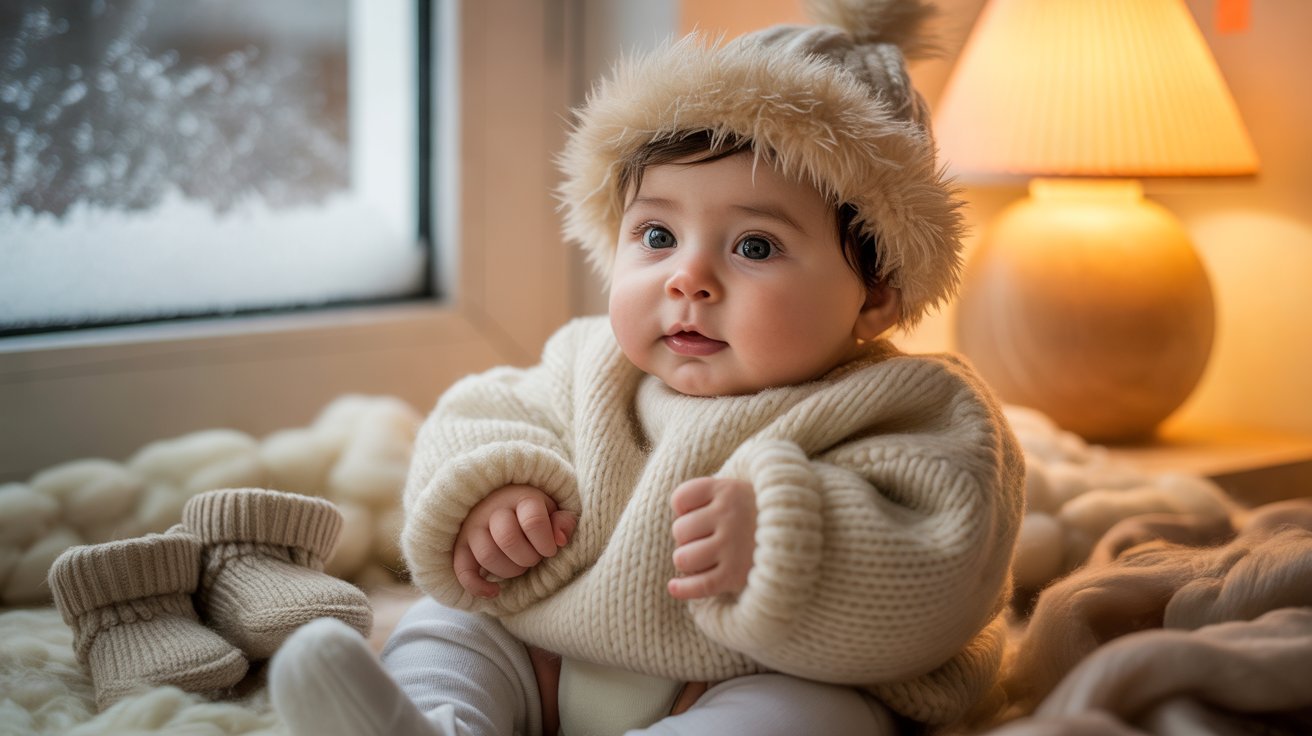
Taking your baby outside during winter can feel like preparing for a tiny Arctic expedition. One minute, you’re excited about a cozy stroller walk, and the next, you’re wondering whether your little one needs another blanket, a thicker hat, or an entirely different outfit. Sound familiar? 🥶👶
The good news? Taking your baby outside in cold weather can be perfectly fine with the right precautions. Fresh air, a change of scenery, and a gentle stroll can be enjoyable for both you and your little one.
The secret is knowing how to dress your baby, protect their delicate skin, and recognize when it’s simply too cold to head outdoors.
Whether you’re planning a winter stroller walk, a quick errand, or your baby’s first snowy adventure, these 21 baby winter safety tips will help you feel more prepared and confident.
1. Check the Weather Before Taking Your Baby Outside
Before bundling up your little cutie, take a moment to check the actual weather conditions. Temperature matters, but wind chill, rain, snow, and icy conditions can make outdoor adventures much riskier.
Babies, especially newborns and premature infants, have a harder time regulating their body temperature than adults.
✨ Parenting Tip: Check the feels-like temperature and local weather alerts, not just the number on your thermometer. Postpone outings during extreme cold or severe weather warnings.
A digital outdoor thermometer can help you monitor conditions around your home.

2. Dress Your Baby in Comfortable Winter Layers
When it comes to dressing your baby for cold weather, layering is your best friend. Instead of one extremely thick outfit, choose several lightweight layers that can be adjusted as temperatures change.
A practical starting point is one more clothing layer than a comfortably dressed adult would wear in the same conditions.
✨ Parenting Tip: Start with a soft cotton bodysuit, add a warm footed outfit, and finish with an appropriate outer layer. Check your baby’s chest or back regularly to avoid overheating.
Explore baby winter layering clothes on Amazon.

3. Choose a Soft and Breathable Base Layer
Your baby’s first clothing layer sits directly against their delicate skin, so comfort matters just as much as warmth.
Choose a soft, well-fitting bodysuit made from a breathable fabric that doesn’t feel scratchy or irritating. Cotton can work well as an everyday base layer, although damp cotton should be changed promptly because it loses insulating warmth.
✨ Parenting Tip: Look for envelope necklines or easy-snap closures to make diaper changes less complicated during chilly outings.
Shop soft cotton baby bodysuits on Amazon.


4. Keep Your Baby’s Head Warm with a Winter Hat
A cozy winter hat is one of those tiny accessories that makes a big difference when your baby is outdoors.
Choose a soft, properly fitting hat that covers the ears without slipping over the eyes or face. Avoid hats with loose strings, dangling decorations, or anything that could become a choking or strangulation hazard.
✨ Parenting Tip: Remove your baby’s hat when you come indoors or enter a warm vehicle to help prevent overheating.
Find warm baby winter hats on Amazon.

5. Protect Tiny Hands with Soft Baby Mittens
Those adorable little fingers can become chilly quickly during winter walks, especially when there’s a cold breeze.
Soft baby mittens provide an extra layer of warmth while allowing your little one to move their hands comfortably.
Choose mittens that fit securely without restricting circulation, and avoid loose strings or detachable decorations.
✨ Parenting Tip: Check your baby’s hands occasionally, but remember that cool fingers alone don’t necessarily mean your baby is too cold. Their chest and back are better places to assess overall warmth.
Shop soft baby winter mittens on Amazon.

6. Keep Your Baby’s Feet Cozy with Warm Booties
Baby toes deserve some winter love too! 🧦
Since younger babies aren’t walking around to generate warmth, properly fitting socks or insulated booties can help protect their feet from chilly outdoor temperatures.
Look for soft, flexible designs that stay in place without squeezing their ankles or toes.
✨ Parenting Tip: Layer socks underneath loose-fitting booties when necessary, but avoid anything tight enough to leave deep marks on your baby’s skin.
Explore warm baby winter booties on Amazon.

7. Use a Weather-Appropriate Baby Snowsuit
If you’re heading outside in genuinely cold conditions, an insulated baby snowsuit can help keep your little one comfortable.
Choose a snowsuit appropriate for the temperature, with a well-fitting hood and enough room for natural movement.
However, bulky snowsuits should never be worn underneath car seat harness straps because they can interfere with a secure fit.
✨ Parenting Tip: Use snowsuits for suitable outdoor activities, then remove bulky layers before buckling your baby into a car seat.
Browse baby winter snowsuits on Amazon.

8. Add a Cozy Stroller Footmuff for Winter Walks
A stroller footmuff can make chilly walks feel much more comfortable without requiring endless loose blankets.
Choose a footmuff designed for your stroller and compatible with its harness system. It should allow the harness to fit correctly while keeping your baby’s face completely uncovered.
✨ Parenting Tip: Avoid aftermarket accessories that interfere with harness positioning, and never let fabric cover your baby’s nose or mouth.
A baby stroller footmuff can be a useful cold-weather accessory.

9. Never Cover Your Baby’s Face with a Blanket
It might seem logical to pull a blanket over your baby’s stroller to block chilly air, but covering the stroller opening can restrict airflow and trap heat.
Instead, use appropriate clothing layers and stroller accessories specifically designed for safe ventilation.
Always keep your baby’s face visible and unobstructed.
✨ Parenting Tip: If using a stroller weather shield, choose a compatible, ventilated model and follow its instructions. Never completely seal the stroller or leave your baby unattended.
Explore ventilated stroller weather covers on Amazon.

10. Protect Your Baby’s Skin from Cold Winter Air
Cold temperatures and dry air can leave your baby’s delicate skin feeling rough, flaky, or irritated.
Before heading outside, gently moisturize exposed areas with a fragrance-free product suitable for infants.
Pay extra attention to cheeks and other areas that tend to become dry.
✨ Parenting Tip: Apply moisturizer before going outdoors and avoid strongly fragranced products. If your baby develops persistent redness, cracking, or an uncomfortable rash, consult your pediatrician.
Shop fragrance-free baby moisturizer on Amazon.

11. Don’t Forget Baby-Safe Sun Protection
Surprise! Winter sunshine can still affect your baby’s delicate skin, especially when sunlight reflects off snow.
For babies younger than six months, prioritize shade and protective clothing rather than relying on sunscreen.
For older babies, use a broad-spectrum, water-resistant SPF 30 or higher sunscreen suitable for children.
✨ Parenting Tip: A stroller canopy can provide helpful shade, but make sure it doesn’t block ventilation. Ask your pediatrician about sunscreen for younger infants when shade and clothing aren’t sufficient.
Shop baby mineral sunscreen SPF 30 on Amazon.

12. Start with Short Winter Outdoor Trips
Your baby’s first winter outing doesn’t need to be an hour-long neighborhood adventure.
Start with a brief trip close to home, especially if your baby is very young or you’re still learning how they respond to colder temperatures.
There isn’t one universally safe outdoor time limit for every baby. Weather conditions, age, clothing, and individual health all matter.
✨ Parenting Tip: Begin with a short, manageable walk and return indoors promptly if your baby seems uncomfortable or cold.
A compact baby stroller can make quick outings easier.

13. Check Your Baby’s Body Temperature Regularly
Babies can’t tell you when they’re feeling too hot or too cold, so checking their comfort is essential.
Gently touch your baby’s chest or upper back to assess warmth. Their skin should feel comfortably warm rather than unusually cold, hot, or sweaty.
Watch for concerning signs such as unusual lethargy, poor feeding, or changes in skin color.
✨ Parenting Tip: Don’t rely on cold hands or feet alone. If you suspect hypothermia or your baby is difficult to wake, seek urgent medical care.
Keep a digital baby thermometer at home for checking body temperature when needed.

14. Use a Baby Carrier Safely in Cold Weather
Babywearing can make winter walks feel extra cozy, especially when your little one is snuggled close to your body.
Choose an age-appropriate carrier that supports your baby’s head, neck, and hips correctly.
Keep their face visible, chin away from the chest, and nose and mouth unobstructed at all times.
✨ Parenting Tip: Avoid oversized jackets or fabric that could cover your baby’s face. Check for overheating because your body warmth also contributes to their temperature.
Explore ergonomic baby carriers on Amazon.

15. Choose a Safe Time of Day for Outdoor Walks
Timing can make a big difference when taking your baby outside in winter.
If temperatures are milder around midday, that may be a more comfortable time for a stroller walk than early morning or late evening.
However, always prioritize actual weather conditions rather than assuming one time of day is automatically safer.
✨ Parenting Tip: Plan outings around your baby’s feeding and nap schedule, and choose daylight hours when paths are easier to see and navigate.
A stroller organizer bag helps keep essentials within reach.

16. Keep Your Baby Dry During Winter Outings
Cold and wet clothing is a combination you definitely want to avoid.
Snow, rain, spilled milk, or a diaper leak can leave your baby’s clothes damp, making it harder for them to stay comfortably warm.
Carry spare clothing so you can change wet layers promptly.
✨ Parenting Tip: Pack an extra bodysuit, socks, and warm outfit in a waterproof pouch. If your baby becomes wet and chilled, move indoors and warm them gently.
Shop waterproof baby wet bags on Amazon.

17. Avoid Bulky Winter Coats in Car Seats
This is one winter baby safety rule every parent should know.
Bulky coats and padded snowsuits can compress during a collision, creating extra space between your baby’s body and the car seat harness.
Instead, dress your baby in thin, warm layers and buckle the harness snugly.
✨ Parenting Tip: After securing your baby, place a blanket over the harness or put their coat on backward over the straps. Keep blankets away from their face.
Shop lightweight baby fleece jackets on Amazon.

18. Keep Feeding Supplies Ready During Winter Trips
Cold-weather outings can become stressful when your baby gets hungry and feeding supplies are buried somewhere in the diaper bag.
Prepare what you need before leaving home, whether that’s breastfeeding essentials, expressed milk, or properly prepared formula.
Follow safe milk and formula storage guidelines, including appropriate temperature and time limits.
✨ Parenting Tip: Organize feeding items in a separate compartment so they’re easy to access without exposing your baby to the cold for longer than necessary.
A insulated baby bottle bag can help transport bottles with appropriate temperature control.

19. Avoid Taking Your Baby Outside During Extreme Cold
A little winter chill and dangerously cold weather are two very different things.
During extreme cold, strong winds, blizzards, or hazardous conditions, it’s safer to postpone nonessential outdoor activities.
Newborns, premature babies, and infants with certain medical conditions may need additional precautions.
✨ Parenting Tip: Don’t rely on a single temperature cutoff. Follow local weather advisories and ask your pediatrician for individualized guidance if your baby is especially young or medically vulnerable.
Keep warm baby fleece blankets available for supervised stroller use when appropriate, keeping them clear of the face.

20. Pack a Winter-Ready Baby Diaper Bag
A little preparation can turn a stressful winter outing into a much smoother experience.
Your winter diaper bag should contain the usual essentials plus extra warm clothing, spare socks, a hat, diapers, wipes, feeding supplies, and anything else your baby regularly needs.
Keep everything organized so you aren’t searching through the entire bag in freezing weather.
✨ Parenting Tip: Use separate packing pouches for diaper changes, clothing, and feeding supplies. It makes finding things so much faster!
Shop large baby diaper backpacks on Amazon.

21. Remove Extra Layers When You Come Back Indoors
You’ve made it home from your winter walk, your baby’s cozy, and everything went smoothly. Yay! 🤍
But don’t forget one important final step: remove unnecessary winter layers once you’re back in a warm environment.
Leaving your baby bundled in a thick coat, hat, or snowsuit indoors can cause overheating.
✨ Parenting Tip: Check your baby’s chest or back after coming inside and adjust clothing to the room temperature. If your baby falls asleep, move them to a firm, flat, approved sleep surface without loose blankets or outdoor clothing.
Choose comfortable baby cotton sleepwear for indoor comfort.

Final Thoughts
Taking your baby outside in cold weather might feel intimidating at first, especially when you’re a new parent. But with thoughtful preparation, appropriate clothing, and careful attention to your baby’s comfort, many winter outings can be safe and enjoyable.
The most important thing is to keep your baby comfortably warm without overheating.
Dress them in adjustable layers, protect exposed skin, monitor the weather, and make sure their face always remains uncovered. Remember that babies can’t regulate their temperature as efficiently as adults, so regular comfort checks are essential.
And please don’t feel pressured to take your baby outside when conditions are harsh. Sometimes the best winter adventure is simply staying warm and cozy at home.
If your baby was born prematurely, has a medical condition, or is very young, ask your pediatrician about any additional cold-weather precautions.
With a little planning and these 21 tips for taking your baby outside in cold weather, you can enjoy those precious winter moments while putting your little one’s safety first.
Because whether it’s their first chilly stroller ride or their first glimpse of falling snow, those tiny winter memories are pretty special. ❄️👶💕