This Post Contains Affiliate Links. Please Read Our Disclosure for Full Information.
Winter break is the perfect time for siblings to make memories together without leaving home. Whether your kids are close in age or have a big age gap, a few fun activities can encourage teamwork, creativity, and meaningful connection.
These 21 indoor sibling bonding activities for winter break will help keep kids entertained while giving them opportunities to laugh, cooperate, and enjoy quality time together.
1. Build a Cozy Indoor Blanket Fort
Building a blanket fort is a classic indoor activity that encourages siblings to work together.
Gather blankets, pillows, couch cushions, and lightweight furniture.
Let the kids plan their fort and decide where the entrance, reading corner, and cozy seating areas should go.
Once it’s ready, they can enjoy books, tell stories, or play pretend inside.
✨ Parenting Tip: Give each child a responsibility, such as arranging pillows or choosing decorations, so everyone feels included. Keep structures stable and avoid covering heaters or blocking exits.
Shop kids indoor fort building kits.

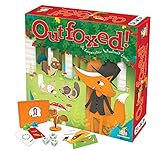
2. Create a Sibling Board Game Tournament
Turn an ordinary afternoon into a friendly family game tournament.
Choose age-appropriate board games that encourage cooperation, problem-solving, or lighthearted competition.
Let siblings take turns selecting games and explaining the rules.
You can even create a simple tournament chart to track participation and celebrate teamwork.
✨ Parenting Tip: Focus on good sportsmanship rather than winning. Praise children for helping each other, taking turns, and handling disappointment.
Shop cooperative board games for kids.

3. Bake Winter Treats Together
Baking gives siblings a chance to collaborate while making something delicious.
Choose a simple recipe such as sugar cookies, banana muffins, or homemade biscuits.
Assign different jobs based on each child’s age and abilities.
One child can measure ingredients while another mixes the batter or decorates the finished treats.
✨ Parenting Tip: Prepare ingredients beforehand to reduce frustration, and supervise ovens, sharp tools, and hot surfaces. Let children enjoy the process even if the results aren’t perfect.
Shop kids baking utensil sets.

4. Make a Giant Sibling Art Mural
A collaborative art mural encourages creativity without requiring everyone to have the same artistic skills.
Tape a large sheet of paper to a table or another suitable surface.
Give the kids washable markers, crayons, or colored pencils.
Let them create a winter village, imaginary world, or colorful family portrait together.
✨ Parenting Tip: Divide the paper into sections initially if your children struggle with sharing space, then encourage them to connect their drawings.
Shop large drawing paper rolls for kids.

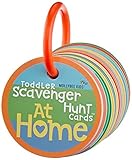
5. Plan an Indoor Treasure Hunt
An indoor treasure hunt turns familiar rooms into an exciting adventure.
Hide clues around the house and create a simple trail leading to a small surprise.
Encourage siblings to solve each clue together rather than racing against one another.
Older children can read clues while younger siblings search for pictures or matching objects.
✨ Parenting Tip: Design clues that require different skills so every child has a chance to contribute. Avoid hiding items near stairs, chemicals, or unsafe areas.
Shop indoor scavenger hunt games for kids.
6. Build a LEGO City Together
Building a miniature city is a creative activity that can keep siblings engaged for hours.
Gather building bricks and invite the kids to design their own town.
They can create houses, roads, parks, shops, and imaginative landmarks.
Encourage them to connect their individual buildings into one shared community.
✨ Parenting Tip: Let each child lead part of the project while practicing compromise on shared decisions. Keep small building pieces away from children who may put them in their mouths.
Shop building brick sets for kids.

7. Create a Sibling Puppet Show
A homemade puppet show combines storytelling, creativity, and teamwork.
Use socks, paper bags, or simple hand puppets to create characters.
Let siblings invent a short story and decide who will play each role.
They can perform their show behind a couch or a homemade cardboard theater.
✨ Parenting Tip: Encourage children to listen to each other’s ideas when creating the story. Keep performances short and fun rather than expecting a perfect production.
Shop hand puppet sets for kids.

8. Host a Cozy Indoor Movie Afternoon
A winter movie afternoon can become a special sibling tradition.
Let the kids choose a family-friendly movie together.
Arrange pillows, blankets, and comfortable seating in the living room.
Prepare popcorn or another favorite snack and create homemade movie tickets for extra fun.
✨ Parenting Tip: If siblings disagree about the movie, let them alternate choices or vote from a short list of parent-approved options.
Shop cozy fleece blankets for kids.

9. Complete a Giant Floor Puzzle Together
Puzzles encourage patience, communication, and problem-solving.
Choose a large floor puzzle with a picture that interests both children.
Spread the pieces across a clean play area and work together to complete the image.
Younger children can find matching colors while older siblings focus on more challenging sections.
✨ Parenting Tip: Choose a puzzle that matches the younger child’s developmental level, and encourage older siblings to guide rather than take over.
Shop large floor puzzles for kids.

10. Create an Indoor Obstacle Course
An indoor obstacle course is a fun way to encourage movement during cold winter days.
Use pillows, floor markers, and lightweight play equipment to create different challenges.
Children can crawl through tunnels, step over low obstacles, and follow a winding path.
Let siblings take turns designing sections of the course.
✨ Parenting Tip: Keep obstacles low, clear the area of sharp furniture, and avoid slippery surfaces. Encourage cooperation rather than risky speed competitions.
Shop indoor obstacle course kits for kids.

11. Make Friendship Bracelets for Each Other
Friendship bracelets are a thoughtful craft that encourages siblings to make something special for one another.
Provide colorful embroidery thread, yarn, or age-appropriate bracelet-making supplies.
Let each child choose colors that represent their sibling’s personality.
They can exchange their finished bracelets as a small winter break keepsake.
✨ Parenting Tip: Encourage children to appreciate the effort behind each gift rather than comparing how their bracelets look. Supervise small beads and cords with younger children.
Shop friendship bracelet making kits for kids.

12. Start a Sibling Storytelling Challenge
A storytelling challenge encourages imagination and helps children practice listening.
Write simple prompts on slips of paper, such as “A Snowman Who Could Talk” or “The Mystery of the Missing Mittens.”
Let one sibling begin the story and the other add the next part.
Continue taking turns until the story reaches a funny or surprising ending.
✨ Parenting Tip: Avoid correcting every detail. The goal is shared creativity, not perfect storytelling.
Shop creative storytelling cards for kids.

13. Build a Cardboard Box Castle
Turn leftover cardboard boxes into a creative building project.
Gather clean boxes, washable markers, paper, and child-safe craft supplies.
Let siblings design a castle, spaceship, or pretend house.
They can decorate the structure and invent imaginative games once it’s finished.
✨ Parenting Tip: Have an adult handle box cutters or other sharp tools. Give children different building tasks so everyone has a role.
Shop cardboard construction kits for kids.

14. Have a Sibling Dance Party
A dance party is an easy way to add movement and laughter to a winter afternoon.
Create a playlist of family-friendly songs that both children enjoy.
Clear a safe area in the living room and let them invent dance moves.
Try activities such as freeze dance or copying each other’s movements.
✨ Parenting Tip: Let each child choose a few songs so everyone feels included. Keep the focus on having fun rather than judging dancing skills.
Shop portable Bluetooth speakers for family activities.

15. Create a Mini Indoor Science Lab
Simple science experiments can encourage siblings to ask questions and solve problems together.
Try age-appropriate activities such as exploring which objects float, mixing colors, or observing how ice melts.
Let one child predict what will happen while the other helps record the results.
Switch roles for the next experiment.
✨ Parenting Tip: Choose safe household materials, supervise activities, and avoid experiments involving dangerous chemicals, heat, or pressure.
Shop beginner science experiment kits for kids.

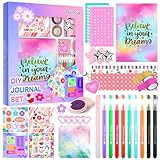
16. Make a Family Memory Scrapbook
Creating a scrapbook gives siblings a chance to revisit favorite memories.
Print family photos from vacations, birthdays, holidays, and everyday adventures.
Provide colorful paper, stickers, and glue sticks.
Let the children arrange pictures and write short captions about their favorite moments.
✨ Parenting Tip: Encourage siblings to include memories they enjoyed together and give each child space to share their perspective.
Shop kids scrapbook craft kits.
17. Play a Cooperative Building Challenge
A cooperative building challenge encourages teamwork and creative problem-solving.
Give siblings building blocks, magnetic tiles, or other age-appropriate construction materials.
Set a shared challenge such as building the tallest stable tower or creating a bridge for toy cars.
Ask them to plan together before beginning.
✨ Parenting Tip: Celebrate creative problem-solving and cooperation rather than focusing only on whether the structure stays standing.
Shop magnetic building tile sets for kids.

18. Set Up a Pretend Restaurant at Home
A pretend restaurant is a fun way for siblings to practice communication and imaginative play.
Let the kids choose a restaurant name and create a simple menu.
One child can act as the chef while another takes orders or welcomes customers.
Use toy food, paper menus, and play dishes to create the experience.
Switch roles so everyone gets a chance to try different jobs.
✨ Parenting Tip: Encourage siblings to negotiate roles fairly and include everyone in the pretend restaurant.
Shop kids pretend play kitchen accessories.

19. Create a Winter Break Kindness Challenge
A kindness challenge can help siblings practice appreciation and thoughtfulness.
Write simple activities on cards, such as helping each other clean up toys, sharing a compliment, or making a small drawing for someone.
Let the children choose one kindness activity each day.
Celebrate their efforts without turning kindness into a competition.
✨ Parenting Tip: Encourage genuine acts of kindness rather than requiring children to perform gestures simply to earn rewards.
Shop kindness activity cards for kids.

20. Create a Sibling Time Capsule
A sibling time capsule is a meaningful project that captures memories from winter break.
Give each child a piece of paper to write or draw their favorite activities, interests, and hopes for the coming year.
Add photographs, artwork, or small paper keepsakes.
Place everything inside a decorated box and choose a future date to open it together.
✨ Parenting Tip: Let children decide which memories they want to include, and store the time capsule somewhere safe and dry.
Shop memory keepsake boxes for kids.

21. Plan a Sibling Winter Break Fun Day
Let siblings work together to plan an entire afternoon of indoor activities.
Give them a simple schedule with time slots for crafts, games, snacks, and quiet activities.
Ask each child to suggest two or three favorite ideas.
Help them combine their choices into a balanced plan.
They might start with a blanket fort, enjoy a baking activity, and finish with a cozy movie.
✨ Parenting Tip: Encourage compromise when children have different preferences, and include short breaks to prevent frustration.
Shop kids daily activity planners.

Best Indoor Sibling Bonding Activities by Age
Choosing age-appropriate activities makes it easier for siblings to participate together.
| Age Group | Recommended Activities | Main Benefits |
|---|---|---|
| Toddlers and Preschoolers | Blanket forts, simple art, pretend play | Sharing and imagination |
| Ages 4–6 | Floor puzzles, puppet shows, scavenger hunts | Communication and cooperation |
| Ages 6–9 | Building challenges, baking, crafts | Teamwork and creativity |
| Ages 9–12 | Board games, science experiments, scrapbooks | Problem-solving and collaboration |
| Tweens and Teens | Baking, movie planning, creative projects | Shared interests and communication |
| Mixed-Age Siblings | Art murals, storytelling, family fun days | Inclusive participation |
Age Safety Note: Always consider the youngest child’s developmental abilities when choosing materials. Small parts, magnets, batteries, cords, and certain craft supplies can pose hazards for younger children.
Easy Winter Break Sibling Activity Schedule
A flexible schedule can help kids enjoy time together without making the day feel overly structured.
| Time | Activity | Duration |
|---|---|---|
| 9:30 AM | Build a Blanket Fort | 30 minutes |
| 10:00 AM | Cooperative Board Game | 30 minutes |
| 10:30 AM | Snack and Free Play | 30 minutes |
| 11:00 AM | Collaborative Art Project | 45 minutes |
| 11:45 AM | Quiet Reading or Rest | 30 minutes |
| 12:15 PM | Lunch | 45 minutes |
| 1:00 PM | Indoor Treasure Hunt | 30 minutes |
| 1:30 PM | Baking or Simple Craft | 45 minutes |
| 2:15 PM | Free Play or Break | 30 minutes |
| 2:45 PM | Cozy Movie or Storytelling | Flexible |
This is only an example. Adjust the schedule according to your children’s ages, energy levels, and family routine.
How to Encourage Sibling Bonding During Winter Break
Sibling bonding doesn’t require elaborate activities or expensive supplies.
Small, positive interactions can help children develop stronger connections over time.
1. Choose Cooperative Activities
Look for games and projects where children work toward a shared goal.
2. Give Everyone a Role
Assign age-appropriate responsibilities so younger and older siblings both feel involved.
3. Encourage Turn-Taking
Let children alternate choosing activities, leading games, or making decisions.
4. Celebrate Teamwork
Notice moments when siblings help, encourage, or listen to one another.
5. Respect Different Interests
Siblings don’t need to enjoy every activity together. Offer choices and allow individual preferences.
6. Include Breaks
Spending too much time together can lead to frustration. Make room for independent play and quiet time.
7. Keep Expectations Realistic
Occasional disagreements are normal. Focus on creating positive opportunities rather than expecting siblings to get along perfectly all day.
Budget-Friendly Indoor Sibling Activities Using Household Items
You don’t need a large collection of toys to create fun winter break activities.
Try these simple ideas using supplies you may already have:
- Build blanket forts using pillows and sheets.
- Create a cardboard castle from shipping boxes.
- Make paper puppets with markers and craft sticks.
- Design an indoor scavenger hunt with handwritten clues.
- Create a mural using leftover paper.
- Play homemade charades.
- Build towers with plastic cups.
- Make a family scrapbook using printed photographs.
- Create a pretend restaurant with paper menus.
- Invent stories using random household objects.
- Design a simple obstacle course with cushions.
- Make homemade greeting cards for family members.
✨ Budget Tip: Set aside a small activity basket with paper, crayons, stickers, and reusable craft supplies so children can easily start a project together.
How to Handle Sibling Arguments During Activities
Even enjoyable activities can lead to disagreements.
A few simple strategies can help children work through conflicts.
Set expectations beforehand: Explain the activity and encourage respectful communication.
Use turn-taking: Let children alternate leadership roles or activity choices.
Avoid constant comparisons: Recognize each child’s individual contributions.
Give children time to explain: Encourage everyone to share their perspective.
Offer simple choices: If siblings disagree, suggest two reasonable options.
Take breaks when needed: A short pause can help everyone return with a calmer attitude.
Don’t force cooperation: Sometimes children need independent play before they’re ready to participate together again.
The goal isn’t to eliminate every disagreement. It’s to help siblings practice cooperation, communication, and problem-solving in age-appropriate ways.
Common Mistakes to Avoid When Planning Sibling Activities
Choosing activities that are too difficult: Consider the younger child’s abilities and attention span.
Making every game competitive: Include cooperative challenges that encourage teamwork.
Expecting constant togetherness: Allow time for independent activities.
Overplanning the day: Leave room for spontaneous play.
Giving one sibling all the responsibility: Make sure everyone has opportunities to participate.
Ignoring safety: Supervise activities involving small parts, cooking, or physical movement.
Forcing identical interests: Let children explore different preferences.
Focusing only on the finished result: Enjoy the process rather than expecting perfect crafts or performances.
Frequently Asked Questions
What are the best indoor sibling bonding activities for winter break?
Blanket forts, cooperative board games, baking, scavenger hunts, building challenges, and collaborative art projects are great options for encouraging siblings to spend positive time together.
How can I help siblings with a large age gap bond?
Choose flexible activities where each child can contribute according to their abilities. Baking, storytelling, art projects, and pretend play can work well for mixed-age siblings.
What are some free sibling bonding activities at home?
Try building blanket forts, creating cardboard structures, making paper crafts, telling stories, playing charades, or organizing homemade treasure hunts.
How do I encourage siblings to play together without fighting?
Choose cooperative activities, set clear expectations, encourage turn-taking, and allow breaks. Avoid forcing children to participate when they’re tired or frustrated.
How long should sibling bonding activities last?
It depends on the children’s ages and interests. Younger children may enjoy 15–30-minute activities, while older children may prefer longer projects.
Can sibling bonding activities help improve relationships?
Shared positive experiences can provide opportunities for communication, cooperation, and mutual understanding. However, relationship development takes time, and occasional disagreements are normal.
Final Thoughts
Winter break is a wonderful opportunity for siblings to enjoy meaningful time together, explore shared interests, and create lasting family memories.
These 21 indoor sibling bonding activities for winter break offer simple ways to encourage teamwork, creativity, laughter, and connection without leaving home.
Whether your kids love building blanket forts, baking treats, solving puzzles, or creating imaginative stories, the most important part is giving them opportunities to enjoy each other’s company.
Keep activities flexible, celebrate small moments of cooperation, and remember that even simple games can become favorite family traditions.
Which sibling bonding activity will your kids try first? Save these fun indoor winter break ideas for the next cozy day at home! ❄️