This Post Contains Affiliate Links. Please Read Our Disclosure for Full Information.
When siblings share a bedroom, toys can quickly take over every corner. Between stuffed animals, building blocks, dolls, and random little treasures, keeping everything organized can feel impossible. These toy decluttering ideas for siblings who share a bedroom will help you create a cleaner, calmer space without taking away the toys your kids actually love.
1. Give Each Child Their Own Toy Storage Bin
One of the easiest ways to reduce toy clutter in a shared bedroom is to give each child a dedicated storage bin.
When siblings share everything, toys can become mixed together, leading to arguments and unnecessary messes.
Assign each child a bin for their favorite personal toys. Let them choose which items belong inside and encourage them to return those toys after playing.
Keep another container for toys they both share.
This simple system teaches children responsibility while respecting their personal belongings.
Organization Tip: Choose different bin colors for each child so even younger siblings can easily identify their own storage space.
Helpful Storage Find: A set of colorful plastic storage bins makes it easier to separate personal toys without taking up too much room.
Shop Colorful Toy Storage Bins on Amazon

2. Create a Shared Toy Basket for Everyone
Not every toy needs to belong to one child.
Board games, building blocks, toy cars, and pretend-play accessories are often enjoyed by multiple siblings.
Instead of storing these items in separate places, create one shared toy basket.
Explain that anything placed inside this basket is available for both children to use.
Before adding toys, ask your kids which ones they genuinely enjoy playing with together.
This also gives you an opportunity to remove broken pieces, duplicates, and toys nobody uses anymore.
Organization Tip: Keep the shared basket somewhere both children can easily reach without climbing.
Helpful Storage Find: A soft woven rope basket offers an attractive and practical place to store shared toys while being easy to move around the room.
Shop Cotton Rope Toy Baskets on Amazon

3. Use Under-Bed Storage for Toys They Don’t Play With Daily
When two children share one bedroom, every inch of floor space matters.
The space underneath their beds can become a useful storage area for toys that don’t need to stay out all day.
Think about puzzles, extra stuffed animals, dress-up accessories, or seasonal playsets.
Place these items in shallow storage containers and slide them underneath the bed.
This keeps toys accessible while freeing up valuable walking and playing space.
For younger children, store only lightweight items they can safely pull out.
Organization Tip: Choose containers with lids to help keep dust away, and measure the under-bed clearance before buying.
Helpful Storage Find: Low-profile under-bed storage containers with handles make it easier to organize less frequently used toys.
Shop Under-Bed Toy Storage Containers on Amazon

4. Declutter Broken Toys and Missing Pieces Together
Broken toys have a sneaky way of collecting in toy boxes, drawers, and underneath beds.
Set aside a little time to go through everything with your children.
Look for toys with missing essential pieces, damaged parts, or anything that can no longer be used safely.
Instead of immediately throwing everything away, sort items into three groups:
- Toys that can be repaired.
- Toys that are still usable.
- Toys that need to be discarded or recycled appropriately.
Give each sibling a chance to participate in the decisions.
This helps kids understand why decluttering matters rather than feeling like their belongings are disappearing.
Organization Tip: Use a temporary container for toys that need repairing, and set a deadline to decide whether repairs are practical.
Helpful Storage Find: Small sorting trays are useful for separating loose parts and identifying which toys are actually complete.
Shop Plastic Sorting Trays on Amazon

5. Create a Toy Rotation System to Reduce Clutter
Kids don’t need access to every single toy at once.
In fact, having too many choices can make their shared bedroom feel overwhelming.
A toy rotation system allows you to keep a smaller selection of toys available while storing the rest elsewhere.
Choose a few favorites for each child along with several shared toys.
Pack the remaining items into a separate storage box and bring them back every few weeks.
When the old toys return, they can feel exciting again.
Organization Tip: Involve both children when choosing what stays out so the system feels fair.
Helpful Storage Find: A sturdy lidded storage tote helps keep rotated toys organized and protected while they’re temporarily out of sight.
Shop Lidded Toy Storage Totes on Amazon

6. Use Picture Labels to Make Cleanup Easier
When siblings share a room, it’s important that both children understand where their toys belong.
Picture labels are especially helpful for younger kids who aren’t reading independently yet.
Create simple categories such as stuffed animals, building blocks, dolls, vehicles, and art supplies.
Attach a picture label to each storage container.
During cleanup time, children can match toys with the correct pictures instead of constantly asking where things go.
Organization Tip: Combine pictures with written words to help younger children practice recognizing toy categories.
Helpful Storage Find: Toy organizer label stickers with pictures can make a shared bedroom’s storage system easier for kids to understand.
Shop Toy Storage Picture Labels on Amazon

7. Hang a Stuffed Animal Organizer to Save Floor Space
Stuffed animals are adorable, but they can quickly take over beds, chairs, and floors.
If both siblings love plush toys, the collection can become especially overwhelming.
Start by letting each child choose their favorite stuffed animals.
Then encourage them to decide which extras they are ready to donate or pass along.
For the remaining collection, consider using a hanging stuffed animal organizer.
This keeps plush toys together while making better use of the bedroom’s space.
Organization Tip: Install the organizer securely according to its instructions, away from sleep areas, and only where children can use it safely.
Helpful Storage Find: A hanging stuffed animal storage hammock can help organize lightweight plush toys without needing another large basket on the floor.
Shop Stuffed Animal Storage Hammocks on Amazon

8. Give Small Toys Their Own Compartment Organizer
Tiny toys can create some of the biggest messes in a shared bedroom.
Mini figures, collectible accessories, toy jewelry, and small building pieces easily end up mixed together.
Instead of tossing everything into one large bin, use a compartment organizer.
Separate the pieces by category, set, or child.
This makes it easier to find specific toys and notice when pieces are missing.
Before organizing, ask your children whether they still enjoy every collection.
Sometimes, decluttering a few forgotten sets makes a huge difference.
Organization Tip: Keep small parts and organizers with detachable pieces away from younger siblings who might put them in their mouths.
Helpful Storage Find: An adjustable compartment organizer box is useful for keeping miniature toy collections separated and easy to find.
Shop Small Toy Compartment Organizers on Amazon

9. Create a Dedicated Space for Each Child’s Favorite Toys
Even when children happily share a bedroom, they still need a little space that feels like their own.
Giving each sibling a small personal toy area can reduce arguments and make organization easier.
You could assign each child a drawer, storage cube, or section of a low shelf.
Let them decide which favorite toys deserve a spot there.
Encourage them to keep only what comfortably fits within their assigned space.
When the area becomes too crowded, help them choose what to keep, relocate, or donate.
Organization Tip: Avoid making personal storage spaces a competition. The goal is fairness and accessibility, not forcing both children to own the same number of toys.
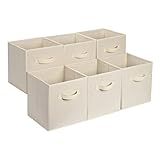
Helpful Storage Find: Fabric cube storage bins fit neatly into many existing cubby shelves and provide an easy way to create separate spaces for siblings.
Shop Fabric Cube Storage Bins on Amazon
10. Use a Clear Drawer Organizer for Building Blocks
Building blocks are wonderful for creativity, but they can quickly turn into a messy pile.
When siblings share a large collection, it can become difficult to find the pieces they need.
Try dividing building blocks into a few simple categories such as basic bricks, specialty pieces, and accessories.
Keep everything in transparent drawers so the kids can see what’s inside.
This works especially well when both children enjoy building different creations at the same time.
Organization Tip: Don’t make the categories too complicated. A simple system that kids can maintain is better than a perfectly sorted one they won’t use.
Helpful Storage Find: A small clear plastic drawer organizer can keep building bricks separated without requiring children to dump an entire box onto the floor.
Shop Clear Plastic Drawer Organizers on Amazon

11. Create a Donation Box for Toys They’ve Outgrown
Children grow and change quickly, and their toy preferences change right along with them.
A shared bedroom can become crowded with toys that neither sibling plays with anymore.
Keep a donation box in a convenient place outside the bedroom.
During decluttering sessions, encourage each child to choose a few toys they’re genuinely ready to give away.
Explain that usable toys may bring happiness to another family.
Avoid pressuring children to donate beloved items, even if they haven’t played with them recently.
Organization Tip: Review donation items together before giving them away, and check that they are clean, complete, safe, and accepted by the receiving organization.
Helpful Storage Find: A large reusable donation bag with handles makes it easier to collect and transport toys your children have outgrown.
Shop Large Reusable Storage Bags on Amazon

12. Organize Dress-Up Clothes in One Designated Spot
If your children enjoy pretend play, dress-up clothes can easily end up scattered across the entire bedroom.
Princess dresses, superhero capes, costumes, and accessories often take up more space than expected.
Start by gathering every dress-up item into one place.
Ask your children to choose their favorite costumes and remove anything that no longer fits or gets used.
Then designate a specific storage area for the remaining pieces.
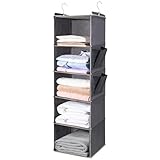
A hanging closet organizer can work well if you have a little extra closet space.
Organization Tip: Keep frequently used costumes in lower compartments that your children can reach safely.
Helpful Storage Find: A lightweight hanging closet organizer with multiple compartments offers a simple way to separate dress-up clothes and accessories.
Shop Hanging Closet Organizers on Amazon
13. Turn Toy Cleanup Into a Fun Timer Challenge
Decluttering doesn’t always have to feel like a chore.
For siblings who share a bedroom, a short cleanup challenge can make organizing more enjoyable.
Set a timer for five or ten minutes and ask each child to focus on their own assigned tasks.
One sibling might collect stuffed animals while the other puts away building blocks.
Try to make it a cooperative challenge rather than a competition.
When the timer finishes, celebrate the progress they’ve made together.
Organization Tip: Give age-appropriate tasks and focus on teamwork rather than speed. Younger children may need help figuring out where items belong.
Helpful Storage Find: A simple visual countdown timer can help children understand how much cleanup time remains without constantly checking a clock.
Shop Visual Countdown Timers for Kids on Amazon

14. Use a Toy Organizer Shelf With Removable Bins
Sometimes the biggest issue isn’t having too many toys. It’s having nowhere practical to put them.
A toy organizer shelf with removable bins can make a shared bedroom much easier to manage.
Assign different bins to each child and reserve a few for shared toys.
Keep frequently used items near the bottom so children can put things away independently.
This system works especially well for toys that don’t fit neatly into drawers.
Before adding a new organizer, declutter the toys first so you’re not simply buying furniture to store things your children no longer need.
Organization Tip: Choose furniture appropriate for your children’s ages, avoid overloading bins, and anchor storage furniture to the wall when required by the manufacturer to prevent tip-overs.
Helpful Storage Find: A low toy storage organizer with removable bins can give siblings designated toy spaces while keeping categories visible.
Shop Kids’ Toy Storage Organizers With Bins on Amazon

15. Create a Weekly Toy Decluttering Routine
The secret to keeping a shared bedroom organized is building small habits that prevent clutter from returning.
Instead of waiting until the room becomes overwhelming, schedule a short toy decluttering session once a week.
Spend ten or fifteen minutes reviewing toys, returning misplaced items, and checking whether storage bins are getting overcrowded.
Invite both children to participate in age-appropriate ways.
You can even create a simple weekly checklist that includes tasks such as:
- Put personal toys in the correct bins.
- Return shared toys to their designated basket.
- Check for broken toys or missing pieces.
- Put stuffed animals back in their storage area.
- Choose any unwanted toys for the donation box.
Over time, this routine can help siblings take more responsibility for their shared space.
Organization Tip: Keep the checklist short and consistent. The easier it is to follow, the more likely it is to become a family habit.
Helpful Storage Find: A reusable magnetic chore chart can help children keep track of their weekly toy organization tasks.
Shop Magnetic Chore Charts for Kids on Amazon

How to Keep a Shared Kids’ Bedroom Organized Long-Term
Decluttering toys once is helpful, but maintaining an organized shared bedroom takes a little consistency.
The good news is that you don’t need a complicated organizing system.
Start by making sure every toy has a designated home. When children know exactly where things belong, daily cleanup becomes much easier.
Encourage both siblings to take responsibility for their belongings while respecting each other’s personal space.
It’s also important to review toys before birthdays, holidays, and other occasions when new gifts are likely to arrive.
This can help prevent storage areas from becoming overcrowded.
Most importantly, remember that a shared bedroom doesn’t have to look perfectly organized every minute of the day. It simply needs to be comfortable, functional, and manageable for your family.
Final Thoughts
Sharing a bedroom can be a wonderful experience for siblings, but it also comes with a few organization challenges.
These 15 toy decluttering ideas for siblings who share a bedroom can help you reduce clutter, make better use of limited space, and create a more peaceful environment for everyone.
From personal storage bins and toy rotation systems to weekly cleanup routines, small changes can make a big difference.
Start with one or two ideas that fit your family’s needs, involve your children in the process, and build an organization system that works for both siblings.
A cleaner, calmer shared bedroom is possible without getting rid of every toy they love!