This Post Contains Affiliate Links. Please Read Our Disclosure for Full Information.
Decluttering toys can feel impossible when your child wants to keep every single one! Instead of turning cleanup into a battle, try these fun toy decluttering games that make sorting, donating, and organizing feel like playtime.
1. Play the Toy Treasure Hunt Game
Turn toy decluttering into an exciting treasure hunt your kids will actually enjoy.
Give your child a small basket and challenge them to find toys that match different clues.
For example, ask them to find a toy they haven’t played with in a long time, something they’ve outgrown, or a toy with missing pieces.
Once they’ve collected their treasures, sit together and decide which ones to keep, donate, recycle, or throw away.
The key is making it feel like a discovery game rather than forcing them to give away their belongings.
A colorful plastic storage basket makes the activity more exciting and gives kids a dedicated place to collect their discoveries.
Shop Colorful Plastic Storage Baskets on Amazon

2. Try the Toy Sorting Race
Kids love a little friendly competition, especially when there’s a fun challenge involved.
Set up three areas labeled “Keep,” “Donate,” and “Not Sure.”
Give your child a small pile of toys and challenge them to sort the toys into the appropriate areas before a timer runs out.
Instead of rewarding them for donating the most toys, celebrate thoughtful decisions and good teamwork.
You can even play alongside them by sorting your own belongings.
A visual countdown timer for kids helps make the game exciting while showing how much time remains.
Shop Visual Timers for Kids on Amazon

3. Play the Toy Store Game
Pretend your child’s bedroom is a toy store and they’re the store manager.
Their job is to choose which toys deserve a place on the shelves.
Start by removing toys from one small shelf or play area. Then ask your child to select their favorite toys to put back on display.
If the shelf becomes full, encourage them to decide which toys they enjoy most.
Explain that the extra toys can go into a donation pile, a temporary storage box, or another designated area.
This game helps children understand that storage space is limited without making them feel pressured.
A small toy display shelf gives kids a clear visual boundary and helps them proudly organize their favorite belongings.
Shop Small Toy Display Shelves on Amazon


4. Create a Toy Voting Game
Sometimes kids struggle to let go of toys because every item feels equally important.
A simple voting game can help them identify their real favorites.
Choose five toys from the same category, such as stuffed animals, toy cars, or action figures.
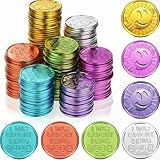
Give your child three voting tokens and ask them to vote for the toys they love playing with most.
After voting, talk about the toys that didn’t receive votes.
Ask whether those toys should stay, move into a rotation box, or find a new home.
Remember, the votes are a conversation starter—not an automatic decision to donate.
A set of colorful counting tokens makes voting hands-on and easy for younger children to understand.
Shop Colorful Counting Tokens on Amazon
5. Play the Stuffed Animal Sleepover Game
If your child has dozens of stuffed animals and refuses to part with any of them, try a pretend sleepover.
Invite your child to choose a small group of stuffed animals for a special sleepover on their bed.
Let them arrange their favorites with pillows and blankets.
Then explain that the remaining stuffed animals can have a temporary vacation in storage.
After a few weeks, check whether your child missed any of the stored animals.
This gentle approach helps children discover which stuffed animals they truly enjoy without requiring immediate donations.
A stuffed animal storage bean bag is helpful for keeping the resting animals contained while giving your child a comfortable seat.
Shop Stuffed Animal Storage Bean Bags on Amazon

6. Try the One-Minute Toy Rescue Challenge
This game works especially well when your child feels overwhelmed by a messy playroom.
Instead of asking them to declutter everything, turn the process into a series of tiny missions.
Set a timer for one minute and ask your child to rescue three toys they definitely want to keep.
Once those toys are safely placed in their designated spots, repeat the challenge with another small group.
After several rounds, look at what’s left and discuss which toys are worth keeping.
For children who want to keep everything, these short sessions can feel much easier than a huge cleanup.
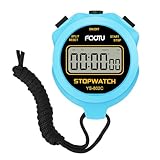
A kids’ digital stopwatch makes each rescue mission feel like a mini adventure.
Shop Digital Stopwatches for Kids on Amazon
7. Play the Toy Detective Game
Transform your child into a detective searching for forgotten toys.
Give them a pretend detective badge and ask them to investigate one toy bin at a time.
Their mission is to find toys that are broken, missing parts, duplicated, or no longer interesting.
Ask detective-style questions such as:
- When was the last time you played with this?
- Does this toy still work?
- Do you have another toy just like it?
- Would you like to play with it again?
Let your child examine the evidence and help decide what happens next.
A kids’ detective play kit can make this activity feel like an exciting mystery rather than an ordinary chore.
Shop Kids’ Detective Play Kits on Amazon

8. Create a Toy Donation Delivery Game
Helping kids understand where donated toys go can make decluttering feel more meaningful.
Pretend your child runs a special delivery service that brings toys to other children.
Ask them to choose gently used toys they no longer play with and prepare them for delivery.
Together, inspect each toy, clean it if necessary, and place it in a donation box.
Then decorate the box with colorful stickers and a cheerful message.
Explain that donating usable toys can give another family the opportunity to enjoy them.
A roll of colorful reward stickers makes decorating donation boxes fun and gives children a creative role in the process.
Shop Colorful Reward Stickers on Amazon

9. Play the Toy Memory Match Game
Children often want to keep toys because they’re attached to the memories associated with them.
This game helps you celebrate those memories while exploring whether the physical toy still needs to stay.
Choose a few older toys and ask your child to share a favorite memory about each one.
You can help by asking questions like, “Do you remember when Grandma gave you this?” or “What was your favorite game to play with this toy?”
Take a picture of especially meaningful toys before discussing whether your child wants to keep them.
Create a small memory collection with the photos so those special moments aren’t forgotten.
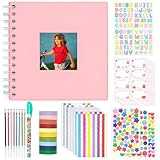
A kids’ scrapbook album provides a place to preserve toy photographs, drawings, and favorite memories without keeping every physical item.
Shop Kids’ Scrapbook Albums on Amazon
10. Try the Toy Rotation Surprise Game
Not every toy needs to be donated immediately.
If your child finds letting go difficult, introduce a toy rotation game instead.
Ask them to choose a selection of toys for their current play area.
Place the remaining toys in a storage container and explain that those toys are taking a temporary vacation.
After a few weeks, bring out some stored toys and swap them with toys your child has stopped using.
This creates the excitement of rediscovering old favorites without buying anything new.
Over time, your child may naturally notice which toys they never request.
A clear plastic storage bin with a lid is ideal for organizing rotated toys while keeping them protected and easy to identify.
Shop Clear Plastic Storage Bins on Amazon

11. Play the Toy Decluttering Bingo Game
Turn toy decluttering into a bingo challenge that kids can complete over several days.
Create a simple bingo card featuring small tasks such as:
- Find one toy you’ve outgrown.
- Choose one broken toy that can’t be repaired.
- Organize five toy cars.
- Find one duplicate toy.
- Choose one toy to donate.
- Put away three stuffed animals.
- Sort a small basket of building blocks.
- Find one toy you haven’t used recently.
- Help clean a toy before donating it.
Each time your child completes a challenge, let them mark the corresponding square.
Celebrate a completed row with a family activity, extra story time, or another non-material reward.
The focus should be on participation and thoughtful decisions, not on how many toys your child gives away.
A reusable dry erase bingo board allows you to create new decluttering challenges whenever the playroom needs attention.
Shop Reusable Dry Erase Bingo Boards on Amazon

How to Make Toy Decluttering Easier for Kids Who Keep Everything
Even with fun games, some children need extra support when deciding what to keep.
Here are a few simple ways to make the experience more positive:
- Start small: Focus on one toy basket, drawer, or shelf instead of the entire playroom.
- Respect sentimental attachments: A toy that seems unimportant to you may hold special memories for your child.
- Offer a “not sure” option: Let kids set aside difficult decisions and revisit them later.
- Never secretly donate favorite toys: Involving children in decisions helps build trust.
- Avoid pressuring kids to donate: Encourage generosity without making your child feel guilty.
- Celebrate effort: Praise sorting, organizing, and thoughtful choices rather than the number of toys removed.
- Keep donations age-appropriate: Check that toys are clean, complete, safe, and accepted by your chosen donation organization.
Remember that the goal isn’t to create a perfectly empty playroom. It’s to help your child enjoy their belongings while gradually building healthy organizing habits.
Final Thoughts
Toy decluttering doesn’t have to end in tears or arguments.
By turning the process into treasure hunts, detective missions, bingo challenges, and pretend games, you can make organizing toys feel much more enjoyable.
For kids who want to keep everything, patience and small steps often work better than strict rules.
Choose one of these toy decluttering games this week and help your child discover that letting go can be a positive experience.