This Post Contains Affiliate Links. Please Read Our Disclosure for Full Information.
You don’t need expensive wooden toys, a dedicated playroom, or shelves full of educational materials to introduce Montessori-inspired learning at home. Some of the best hands-on activities use simple things you already have in your kitchen, bathroom, or living room.
Montessori-inspired activities encourage independence, concentration, coordination, and learning through real-life experiences. From pouring water and sorting socks to folding towels and caring for plants, everyday tasks can become meaningful learning opportunities for young children.
These 30 Montessori activities you can do at home using everyday items are simple, affordable, and easy to adapt for toddlers and preschoolers.
1. Practice Pouring Water Between Cups
Water pouring is a classic Montessori-inspired practical life activity that helps children practice coordination, concentration, and controlled movements.
Place two small cups on a tray. Fill one cup with a little water and leave the other empty.
Show your child how to slowly pour the water from one cup to the other.
Let them repeat the activity at their own pace.
What you need: Two small cups, water, and a tray.
A small child-sized pouring pitcher can make the activity easier for little hands, although ordinary cups work well too.

Montessori tip: Begin with just a little water and keep a small towel nearby so your child can practice cleaning up spills independently.
2. Sort Socks by Color and Size
Laundry offers plenty of opportunities for simple hands-on learning.
Gather several clean socks and spread them on the floor or a low table.
Invite your child to find matching pairs.
You can also ask them to group socks by color, size, or pattern.
What you need: Clean socks from your laundry basket.
A small fabric sorting basket set can help children organize their matching pairs.

Montessori tip: Start with three noticeably different pairs before adding more similar-looking socks.
3. Transfer Objects With a Spoon
Spoon transferring helps children practice the controlled hand movements used during eating.
Place several large, age-appropriate objects in one bowl and an empty bowl beside it.
Show your child how to use a spoon to move the objects from one bowl to the other.
For younger children, use objects too large to swallow rather than dried beans or other small pieces.
What you need: Two bowls, a spoon, and large safe objects.
A child-sized wooden spoon set offers an easy-to-hold option for this activity.

Montessori tip: Demonstrate the movement slowly and allow your child to repeat it without rushing.
4. Match Container Lids to Their Containers
An ordinary kitchen drawer can become a simple matching activity.
Gather several clean food storage containers with different shapes and sizes.
Separate the lids from the containers and place everything on a table.
Invite your child to find which lid belongs to each container.
What you need: Three to five plastic food containers with matching lids.
A set of colorful reusable food storage containers can provide additional matching options if needed.

Montessori tip: Begin with clearly different shapes, such as a circle, rectangle, and square.
5. Practice Folding Small Towels
Folding towels is a practical life activity that allows children to contribute to household routines.
Start with small washcloths or hand towels that are easy to manage.
Lay one towel flat and slowly demonstrate folding it in half.
Invite your child to try.
As they become more confident, introduce folding into thirds or quarters.
What you need: Clean washcloths or small towels.
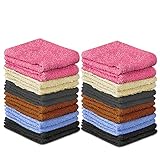
A set of soft cotton washcloths is useful for practicing different folding techniques.
Montessori tip: Use towels with simple patterns or visible edges to help children understand where to fold.
6. Wipe a Table With a Sponge
Children often enjoy participating in everyday cleaning activities.
Give your child a slightly damp sponge and show them how to wipe a small table.
Demonstrate slow, overlapping movements across the surface.
Encourage them to rinse and wring the sponge with assistance when needed.
What you need: A clean sponge, a little water, and a child-safe surface.
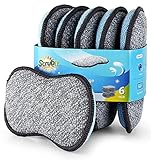
A soft reusable cleaning sponge set provides a simple tool for practicing this everyday task.
Montessori tip: Use plain water rather than household cleaning chemicals.
7. Sort Kitchen Utensils
Sorting familiar objects can help children notice differences in shape, size, and function.
Gather a few safe kitchen utensils, such as wooden spoons, silicone spatulas, and large plastic measuring cups.
Place them on a tray and invite your child to group similar items.
You can also ask them to match two utensils that are used for the same purpose.
What you need: Large, safe kitchen utensils.
A child-friendly silicone kitchen utensil set can provide extra tools for kitchen learning activities.

Montessori tip: Avoid sharp utensils, peelers, graters, and other items that aren’t appropriate for your child’s age.
8. Practice Buttoning an Old Shirt
Buttoning helps children develop finger coordination and dressing independence.
Choose an old shirt with large buttons and lay it flat on a table.
Show your child how to push one button through its opening.
Let them practice slowly before moving to smaller buttons.
What you need: A clean shirt with securely attached buttons.
A Montessori button dressing frame offers an optional dedicated practice material.

Montessori tip: Start with large, easy-to-grip buttons and check that none are loose.
9. Match Shoes Into Pairs
Shoe matching is an easy practical life activity that fits naturally into your daily routine.
Gather several clean pairs of shoes and mix them together.
Ask your child to find the matching shoes and arrange them side by side.
Older preschoolers can practice identifying left and right shoes.
What you need: Several pairs of clean shoes.
A low wooden children’s shoe rack can help children return shoes to an organized place afterward.

Montessori tip: Make shoe storage easy for your child to reach so they can participate in everyday routines.
10. Arrange Objects From Smallest to Largest
Size grading encourages observation, comparison, and early mathematical thinking.
Gather several safe household objects of the same type but different sizes.
You might use plastic cups, nesting bowls, or measuring cups.
Demonstrate arranging them from smallest to largest.
What you need: Three to five similar objects in different sizes.
A set of nesting measuring cups makes this activity easy to repeat.


Montessori tip: Introduce only three sizes at first, then increase the challenge as your child becomes confident.
11. Practice Sweeping With a Small Broom
Sweeping is a wonderful way to encourage independence and care for the home.
Scatter a few large paper scraps on a smooth floor.
Show your child how to gently sweep the scraps into a small pile.
Let them collect the pieces and place them in the trash.
What you need: A small broom, dustpan, and paper scraps.
A child-sized broom and dustpan set can help children practice using tools sized for their hands.

Montessori tip: Start with one small area rather than asking your child to sweep an entire room.
12. Match Colors Using Household Objects
Color matching is a simple sensory activity that can be adapted for different ages.
Place a few large colored paper sheets on a table.
Invite your child to find safe household objects matching each color.
For example, a blue plastic cup can go on blue paper while a red block goes on red paper.
What you need: Colored paper and large household objects.
A set of colored construction paper provides an easy foundation for this sorting activity.

Montessori tip: Begin with two clearly different colors before introducing additional shades.
13. Wash Toy Animals in a Bowl
Toy washing is a fun practical life activity that combines sensory exploration with real cleaning skills.
Fill a shallow bowl with a small amount of water.
Give your child a washable plastic toy animal and a soft cloth.
Show them how to gently wash, rinse, and dry the toy.
What you need: Washable plastic toys, water, a bowl, and a cloth.
A shallow plastic activity basin can help contain the activity.

Montessori tip: Supervise water play continuously, use only a small amount of water, and empty the basin immediately afterward.
14. Practice Opening and Closing Containers
Opening and closing familiar containers helps children develop coordination and practical problem-solving skills.
Gather several empty, clean containers with different types of lids.
Show your child how to open and close each one.
Try screw-top containers, snap lids, and simple hinged boxes.
What you need: Clean containers with securely attached or appropriately sized lids.
A set of large screw-top plastic containers offers an additional option for practicing twisting movements.

Montessori tip: Choose containers that open easily enough to encourage success without causing frustration.
15. Arrange Flowers in a Small Vase
Flower arranging is a beautiful Montessori-inspired practical life activity.
Gather a few fresh flowers or safe, child-friendly artificial stems.
Show your child how to place the stems one by one into a stable vase.
Let them decide how to arrange the colors and heights.
What you need: A small vase and suitable flowers.
A small unbreakable flower vase is a practical choice for younger children.

Montessori tip: Choose nontoxic flowers without thorns and let an adult handle any sharp cutting tools.
16. Thread Large Pasta Shapes Onto a Shoelace
Threading activities help children practice hand-eye coordination and controlled finger movements.
For older preschoolers who no longer mouth objects, offer a sturdy shoelace and a few large dry pasta shapes with holes.
Demonstrate threading one piece at a time.
Children can create simple patterns using different pasta shapes.
What you need: Large dry tube pasta and a clean shoelace.
A set of colorful preschool lacing strings provides a reusable alternative to ordinary shoelaces.

Montessori tip: This activity requires direct supervision. Dry pasta pieces can be choking hazards, and strings should never be placed around the neck.
17. Match Matching Fabric Textures
Texture matching encourages children to explore differences through touch.
Gather pairs of fabric pieces with noticeably different textures, such as cotton, fleece, denim, and corduroy.
Let your child touch each fabric and find its matching piece.
Older children can try matching fabrics without looking.
What you need: Clean fabric scraps or pieces of old clothing.
A fabric texture swatch sample set can provide additional textures.

Montessori tip: Use large fabric pieces without loose embellishments, buttons, or long threads.
18. Practice Transferring With Kitchen Tongs
Using tongs helps older toddlers and preschoolers develop grip strength and coordination.
Place several large, soft objects in one bowl and an empty bowl beside it.
Invite your child to move the objects using easy-to-squeeze tongs.
Begin with larger items that are easy to grasp.
What you need: Kitchen tongs, two bowls, and large safe objects.
A child-friendly silicone kitchen tongs can make gripping easier.

Montessori tip: Avoid using small pom-poms, beads, or other choking hazards for children who may put objects in their mouths.
19. Set the Table for Snack Time
Table setting is a meaningful practical life activity that helps children become more independent.
Place a child-safe plate, cup, spoon, and napkin on a tray.
Demonstrate where each item belongs.
Then invite your child to arrange the items independently.
What you need: A plate, cup, spoon, and napkin.
A child-sized unbreakable dinnerware set can make table setting easier for young children.

Montessori tip: Give your child the opportunity to set their own place at mealtimes.
20. Practice Zipping a Jacket
Zipping is a valuable dressing skill that children can practice at home.
Place a jacket on a low table or help your child wear it comfortably.
Demonstrate connecting the zipper pieces and slowly pulling the slider upward.
Let your child practice at their own pace.
What you need: A jacket with a large, easy-to-use zipper.
A Montessori zipper dressing practice board provides an optional practice material.

Montessori tip: Begin by connecting the zipper for your child and allowing them to practice pulling it upward.
21. Sort Leaves and Natural Objects
A nature walk can provide materials for an easy sensory sorting activity.
Collect a few large, safe leaves, pinecones, or smooth natural objects.
Place them on a tray and invite your child to sort them by color, size, or texture.
Talk about the differences they notice.
What you need: Safe natural objects collected outdoors.
A wooden nature collection sorting tray helps keep nature discoveries organized.

Montessori tip: Avoid unknown plants, berries, mushrooms, sharp objects, and small items that could be swallowed. Wash hands after handling outdoor materials.
22. Practice Squeezing Water From a Sponge
Sponge squeezing is a simple way to practice hand strength and coordination.
Place a small amount of water in one bowl and an empty bowl beside it.
Show your child how to soak a sponge, lift it, and squeeze the water into the second bowl.
Repeat until the first bowl is almost empty.
What you need: Two bowls, water, and a small sponge.
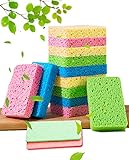
A set of small soft cellulose sponges can be useful for little hands.
Montessori tip: Supervise continuously around water and keep a towel nearby for spills.
23. Match Picture Cards to Real Objects
Matching pictures to real objects encourages vocabulary development and careful observation.
Choose a few familiar objects, such as a spoon, sock, cup, or toy car.
Draw simple pictures of the objects on paper or use printed photographs.
Ask your child to match each picture with the real item.
What you need: Household objects and simple picture cards.
A set of realistic Montessori object picture cards provides an optional ready-made alternative.

Montessori tip: Choose familiar objects and introduce their names naturally during the activity.
24. Practice Clothespin Clipping
Clothespin clipping helps develop finger strength and coordination.
For older preschoolers, provide several large spring clothespins and a sturdy cardboard edge.
Demonstrate how to squeeze a clothespin open and attach it to the cardboard.
Your child can arrange the pins along the edge or create a simple pattern.
What you need: Large clothespins and sturdy cardboard.
A set of large wooden clothespins provides materials for this activity.
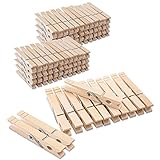
Montessori tip: Check clothespins for loose springs or splinters and supervise to prevent pinched fingers.
25. Sort Books by Size
Books can become useful tools for early sorting and sequencing.
Gather several sturdy children’s books in different sizes.
Show your child how to arrange them from shortest to tallest.
You can also ask them to organize books by color or return them to a low shelf.
What you need: Children’s books from your home.
A front-facing toddler bookshelf helps make books visible and accessible.

Montessori tip: Allow children to choose and return books independently, using furniture that’s stable and properly anchored.
26. Practice Washing Fruit
Fruit washing is a simple practical life activity that allows children to participate in food preparation.
Choose firm fruits such as apples or oranges.
Place the fruit in a shallow bowl and show your child how to rinse or gently wipe it with clean water.
Dry the fruit with a towel before preparing it for eating.
What you need: Firm fruit, clean water, a bowl, and a towel.
A child-sized plastic colander can make rinsing fruit easier.
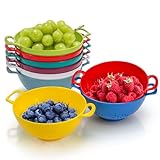
Montessori tip: Wash hands first and supervise closely. An adult should prepare the fruit in an age-appropriate serving size afterward.
27. Make Simple Patterns With Large Blocks
Pattern-making introduces early mathematical concepts through hands-on play.
Gather several large blocks in two or three colors.
Create a simple pattern, such as red-blue-red-blue.
Invite your child to continue the sequence.
As they become more confident, introduce patterns with three colors.
What you need: Large building blocks.
A set of large colorful wooden building blocks offers materials for practicing colors, patterns, and sequencing.

Montessori tip: Begin with a simple two-color pattern before increasing the difficulty.
28. Water a Houseplant
Caring for plants encourages responsibility and observation of the natural world.
Choose a child-safe houseplant and demonstrate how to check whether the soil needs water.
Give your child a small amount of water in a lightweight container.
Show them how to pour slowly near the base of the plant.
What you need: A nontoxic houseplant, a small cup, and water.
A small indoor watering can for kids makes this activity easier to manage.

Montessori tip: Explain that different plants need different amounts of water. Confirm the plant is nontoxic and prevent access to fertilizers or gardening chemicals.
29. Practice Using a Zippered Pouch
Opening and closing a zippered pouch helps children develop everyday independence.
Choose a small pouch with a large zipper pull.
Place a few large, safe objects inside and demonstrate opening the pouch, removing an object, and closing it again.
Let your child repeat the process.
What you need: A clean zippered pouch and safe household objects.
A large-zipper fabric pencil pouch provides a simple practice material.

Montessori tip: Start with a pouch that has a smooth zipper and plenty of room inside.
30. Prepare a Simple Snack Independently
Preparing a snack brings together several important practical life skills.
Invite your child to participate in a simple snack routine using foods already prepared safely for their age.
They might place banana slices on a plate, transfer crackers into a bowl, or spread a soft topping with a child-safe utensil.
Show each step slowly and let them complete the parts they can manage.
What you need: Prepared age-appropriate food, a plate, and suitable utensils.
A Montessori child-safe kitchen utensil set can support supervised food preparation.

Montessori tip: Focus on participation rather than perfection. Supervise food preparation and eating, and modify foods to reduce choking risks.
Best Montessori Activities at Home by Age
Children develop at different rates, so these age ranges are general starting points rather than strict rules.
| Age | Montessori-inspired activities |
|---|---|
| 12–18 months | Large-object matching, simple towel handling, putting safe objects into containers |
| 18–24 months | Water pouring with help, sponge wiping, shoe matching, large-object sorting |
| 2–3 years | Spoon transferring, washing toys, folding washcloths, simple color matching |
| 3–4 years | Clothespin clipping, table setting, button practice, size sequencing |
| 4–5 years | Pattern making, zipper practice, simple snack preparation, advanced sorting |
| 5 years and older | More independent practical life routines, multistep sorting, food preparation with supervision |
Avoid small objects for children who still mouth items. Activities involving water, food, tools, or potential choking hazards require appropriate adult supervision.
How to Set Up Montessori Activities at Home
You don’t need a special Montessori classroom to create an inviting learning environment.
A few simple changes can make activities easier for your child to explore.
- Use child-accessible storage. Keep a small selection of activities on low, stable shelves or in easy-to-reach baskets.
- Choose real household materials. Cups, towels, spoons, and containers often provide meaningful learning experiences.
- Present one activity at a time. Avoid overwhelming your child with too many materials.
- Demonstrate slowly. Show each movement clearly using as few instructions as necessary.
- Allow repetition. Children may enjoy repeating the same task many times.
- Encourage independence. Offer help when needed but allow your child to complete manageable steps.
- Include cleanup. Returning materials to their place is part of the learning experience.
- Follow your child’s interests. Adapt activities to what they enjoy and are ready to practice.
Montessori Activity Ideas by Learning Skill
| Learning skill | Everyday activities |
|---|---|
| Fine motor coordination | Spoon transferring, tongs, clothespins, threading |
| Practical life skills | Sweeping, washing fruit, folding towels, table setting |
| Independence | Zipping, buttoning, snack preparation |
| Early math | Size grading, pattern making, sorting |
| Language development | Picture-to-object matching, naming household items |
| Sensory exploration | Fabric texture matching, nature sorting |
| Concentration | Water pouring, sponge squeezing, lid matching |
| Care of environment | Watering plants, wiping tables, organizing books |
Common Mistakes to Avoid With Montessori-Inspired Activities
Making activities too complicated. Simple tasks are often more useful than elaborate projects with many steps.
Giving too many instructions. Demonstrate the activity clearly, then allow your child time to explore.
Interrupting concentration unnecessarily. When your child is safely engaged, give them space to focus.
Expecting perfect results. Spills, mismatched objects, and uneven folds are natural parts of learning.
Introducing skills too early. Choose activities that match your child’s coordination, understanding, and safety needs.
Using unsafe materials. Small beads, dried beans, loose buttons, magnets, and other small parts may pose serious hazards to young children.
Buying too many materials. Many meaningful Montessori-inspired activities can be created using ordinary household items.
Frequently Asked Questions
What are Montessori activities?
Montessori activities are learning experiences influenced by the educational approach developed by Maria Montessori. They emphasize hands-on exploration, independence, purposeful work, and an environment prepared to support children’s development.
Can you do Montessori activities at home without expensive toys?
Yes. Everyday household activities such as pouring water, folding clothes, matching objects, and preparing snacks can support many Montessori-inspired learning principles.
What are the easiest Montessori activities for toddlers?
Simple pouring, large-object matching, towel folding, sponge wiping, and putting safe objects into containers are approachable starting points.
How long should a Montessori activity last?
There is no fixed duration. Some children may work on an activity for only a few minutes, while others may repeat it for longer. Follow your child’s attention and interest.
Do parents need Montessori training to try these activities?
No formal training is required to introduce simple Montessori-inspired practical life activities at home. However, understanding basic principles such as independence, observation, and age-appropriate materials can help you create more meaningful experiences.
Final Thoughts
Montessori-inspired learning doesn’t have to be expensive, complicated, or dependent on special educational toys.
Some of the most meaningful activities are already part of everyday family life.
From matching socks and pouring water to folding towels, arranging flowers, and preparing simple snacks, these 30 Montessori activities help children practice useful skills through hands-on experiences.
Start with a few activities that match your child’s interests and abilities. Use materials you already have, demonstrate tasks slowly, and allow plenty of time for exploration.
With a little creativity, your home can become a welcoming space for independent learning, practical skills, and everyday discovery.