This Post Contains Affiliate Links. Please Read Our Disclosure for Full Information.
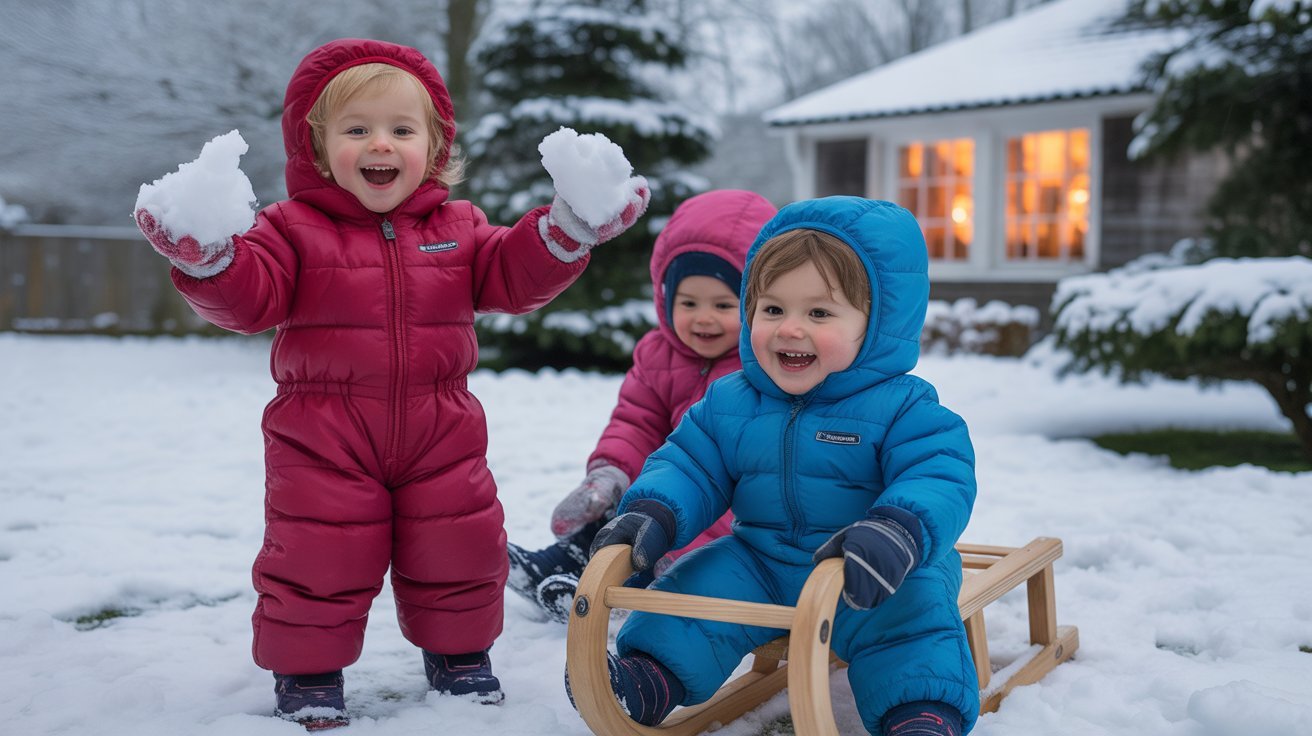
Winter days with a 3-year-old can be a whole adventure. One minute they’re happily building something, and the next they’re asking for another activity because they’re already bored. Sound familiar? 😂
But here’s the good news: keeping your toddler entertained during winter doesn’t require expensive toys, complicated crafts, or hours of preparation.
With a little creativity, you can turn everyday winter moments into fun learning opportunities that encourage counting, color recognition, fine motor skills, creativity, language development, and problem-solving.
From adorable snowman crafts and sensory activities to simple science experiments and indoor movement games, these 25 educational winter activities for 3-year-olds are perfect for curious little learners.
And the best part? Most of these activities are budget-friendly, easy to set up, and perfect for cozy days at home. ❄️
1. Snowflake Counting With Large Paper Cutouts
Turn a simple winter craft into an adorable counting activity!
Cut out large paper snowflakes and write numbers from one to five on them. Give your toddler large paper circles to place on each snowflake while counting aloud together.
Start with just two or three numbers if your child is still learning to count. The goal is playful exploration, not perfect answers.
This activity introduces number recognition, one-to-one counting, and early math concepts.
✨ Parenting Tip: Use different colored snowflakes to practice color recognition alongside counting.
Try preschool counting activity supplies.


2. Build a Snowman With Playdough
Who says you need real snow to build a snowman? ⛄
Give your toddler white playdough and help them roll three different-sized balls. Stack them together and use larger pieces of colored playdough to create eyes, a nose, and a scarf.
As your child builds, talk about shapes, sizes, and body parts.
Rolling, squeezing, and shaping playdough also encourages hand strength and fine motor development.
✨ Parenting Tip: Ask questions like, “Which snowball is the biggest?” to introduce early comparison skills.
Shop non toxic playdough for toddlers.

3. Winter Color Sorting With Pom-Poms
This cozy indoor activity makes learning colors feel like a game.
Place several colored bowls on a table and give your child large, age-appropriate sorting objects in matching colors. Encourage them to place each item into the correct bowl.
Use white, blue, and silver-inspired colors for a winter theme.
Sorting helps develop visual discrimination, concentration, and early classification skills.
✨ Parenting Tip: Avoid small craft pom-poms for children who may put objects in their mouths. Choose oversized toddler-safe sorting pieces instead.
Find large toddler color sorting toys.

4. Ice Melting Science Experiment
Ready for your toddler’s first little science experiment?
Place a few ice cubes in a shallow tray and let your child observe what happens as they melt at room temperature.
Encourage them to touch the ice briefly, describe how it feels, and notice how it changes into water.
This introduces basic scientific observation and the difference between solids and liquids.
✨ Parenting Tip: Ask, “What do you think will happen to the ice?” before starting. Use cool or room-temperature water only, and supervise throughout.
Try a toddler science activity tray.

5. Winter Animal Matching Game
Introduce your toddler to adorable winter animals through a simple picture-matching game.
Print or purchase large picture cards featuring penguins, polar bears, arctic foxes, and snowy owls.
Lay out a few pairs and encourage your child to match identical pictures.
Talk about each animal’s appearance, habitat, and how it stays warm in cold environments.
✨ Parenting Tip: Start with three pairs of cards and gradually add more as your child becomes comfortable. Celebrate their effort rather than focusing on speed.
Shop winter animal matching cards.

6. Snowflake Painting With Washable Paint
Painting is always a hit with little artists, especially when there’s a fun winter theme.
Cut large snowflake shapes from sturdy paper and let your toddler decorate them using washable blue, white, and purple paint.
Encourage finger painting or use chunky toddler-friendly paintbrushes.
This creative activity supports fine motor coordination, color exploration, and self-expression.
✨ Parenting Tip: Cover the table with a reusable mat and let your child experiment freely. Their snowflakes don’t need to look perfect to be beautiful!
Browse washable toddler paint sets.

7. Winter Clothing Matching Activity
Learning how to dress for cold weather can become a fun educational game.
Gather a winter hat, mittens, socks, scarf, and jacket. Place them on the floor and ask your child to identify each item.
Then encourage them to match clothing to the correct body parts.
This activity supports vocabulary development, body awareness, and early self-care skills.
✨ Parenting Tip: Let your toddler practice putting on a hat or jacket independently. Offer help when needed and celebrate their growing confidence.
Try toddler dressing skills toys.

8. Build an Indoor Snow Fort With Soft Blocks
Bring winter imagination indoors with a cozy pretend snow fort!
Use large foam building blocks or soft cushions to help your toddler create a small fort.
Encourage them to stack, arrange, and experiment with different structures.
Building activities introduce spatial awareness, balance, planning, and problem-solving.
✨ Parenting Tip: Ask questions like, “How can we make the wall stronger?” or “Which block should go underneath?” Keep structures low and away from furniture that could tip.
Shop large foam building blocks.

9. Winter Shape Hunt Around the House
Turn your living room into a mini learning adventure.
Show your toddler large pictures of circles, squares, triangles, and rectangles. Then explore the house together to find objects with similar shapes.
A clock might be a circle, a book could be a rectangle, and a decorative cushion might be square.
This activity encourages observation, shape recognition, and language development.
✨ Parenting Tip: Give your shape hunt a winter twist by looking for circles that resemble snowballs or triangles that resemble snowy mountains.
Find preschool shape learning cards.

10. Penguin Waddle Movement Game
Time to get those little bodies moving! 🐧
Show your toddler how penguins waddle by taking short steps with their arms held close to their sides.
Create a simple indoor pathway using painter’s tape and encourage your child to waddle from one end to the other.
Add playful instructions like “waddle slowly” or “freeze like a penguin.”
This activity supports coordination, listening, and gross motor development.
✨ Parenting Tip: Play cheerful music and turn the activity into a family penguin parade.
Shop indoor toddler movement activity toys.

11. Snowman Number Puzzle
Make early math practice adorable with a snowman-themed number puzzle.
Draw several large snowmen on paper and divide each picture into two pieces.
Write a number on one half and draw the corresponding number of snowballs on the other.
Help your toddler match the number to the correct quantity.
This activity introduces number recognition, counting, and visual matching.
✨ Parenting Tip: Begin with numbers one through three before introducing larger quantities. Keep the pieces large enough for little hands to handle safely.
Try preschool number matching puzzles.

12. Frozen Toy Rescue Science Activity
This playful science activity feels like a tiny winter rescue mission.
Freeze a large, toddler-safe plastic animal inside a shallow container of water. Once frozen, place the ice block in a tray and let your child explore how to free the toy using small amounts of room-temperature water.
Talk about how ice changes as it melts.
✨ Parenting Tip: Use a large toy without detachable parts and avoid sharp tools, salt, or hot water. Supervise closely and keep the activity short if little hands become cold.
Browse large toddler animal figurines.

13. Winter Storytime With Picture Books
Cozy blankets, a favorite stuffed animal, and a winter picture book? Literally the sweetest indoor activity. 📚
Choose books featuring snow, winter clothing, animals, or seasonal adventures.
Read slowly and encourage your toddler to point at pictures, identify objects, and predict what might happen next.
Interactive reading supports vocabulary, listening comprehension, and early literacy development.
✨ Parenting Tip: Ask open-ended questions like, “What do you think the penguin will do next?” There’s no need to quiz your child on every page.
Shop winter picture books for toddlers.

14. Cotton Ball Snowman Craft
Create an adorable winter snowman using paper and soft cotton balls.
Draw a large snowman outline on construction paper and help your toddler spread a small amount of child-safe glue inside the shape.
Let them press cotton balls onto the paper to create a fluffy snowman.
This activity supports hand-eye coordination, sensory exploration, and creative expression.
✨ Parenting Tip: Use large cotton balls under close supervision, especially if your child still mouths craft materials. Prepare facial details using large paper shapes rather than tiny buttons.
Find toddler winter craft supplies.

15. Winter Weather Observation Chart
Help your toddler become a little weather detective!
Create a simple chart featuring pictures of sunny, cloudy, rainy, and snowy weather.
Each morning, look outside together and ask your child what they notice.
Let them point to or place a large reusable marker on the matching weather picture.
This introduces observation, classification, and daily routines.
✨ Parenting Tip: Talk about how the weather influences clothing choices. For example, “It’s cold today, so let’s wear our warm jacket.”
Shop preschool weather chart.

16. Snowball Toss Counting Game
Bring some active learning into your living room with a pretend snowball toss.
Roll clean white socks into soft balls and place a laundry basket a short distance away.
Encourage your toddler to toss the snowballs into the basket while counting each successful throw.
This combines early counting with hand-eye coordination and gross motor practice.
✨ Parenting Tip: Move the basket closer or farther away depending on your child’s abilities. Focus on having fun rather than keeping score.
Try a soft indoor tossing game for toddlers.

17. Winter Sensory Bin With Large Safe Materials
Sensory play can keep curious little hands busy while encouraging exploration.
Fill a shallow container with large pieces of soft white fabric, oversized felt snowflakes, and toddler-safe scooping tools.
Let your child move, sort, and arrange the materials while describing their textures and colors.
This activity supports sensory exploration, vocabulary, and imaginative play.
✨ Parenting Tip: Avoid water beads, artificial snow powders, tiny beads, and other small loose materials. Choose washable, age-appropriate items and supervise throughout.
Browse toddler sensory play bins.

18. Winter Pattern Matching With Colored Blocks
Introduce early pattern recognition using large building blocks.
Create a simple pattern such as blue-white-blue-white and encourage your toddler to copy it.
Once they understand the sequence, leave the last position empty and ask which color should come next.
Pattern play supports early mathematical thinking, attention, and problem-solving.
✨ Parenting Tip: Start with two-color patterns before introducing more complicated combinations. Use chunky blocks that are easy for small hands to grasp.
Shop large preschool pattern blocks.

19. Snowy Mountain Building Challenge
Turn ordinary building blocks into a winter engineering adventure.
Invite your toddler to build a pretend snowy mountain using large blocks, stacking cups, or soft construction pieces.
Encourage them to experiment with making the mountain taller, wider, or stronger.
Talk about why some structures fall while others stay standing.
✨ Parenting Tip: Let your child discover solutions through trial and error. Questions like “What happens if we put the biggest block at the bottom?” encourage curiosity and early engineering thinking.

20. Winter Alphabet Letter Hunt
Make letter recognition feel like a fun treasure hunt.
Choose two or three large alphabet cards and hide them in easy-to-find places around your living room.
Ask your toddler to search for each letter and bring it back to you.
Say the letter name and sound together, then connect it to a familiar word.
✨ Parenting Tip: Start with letters from your child’s name. Familiar letters are often more meaningful and exciting for preschoolers than random alphabet practice.
Find large preschool alphabet cards.

21. Pretend Winter Hot Chocolate Café
A pretend hot chocolate café is perfect for imaginative winter play. ☕
Set up a small table with toy cups, play food, and a pretend menu featuring simple pictures.
Take turns being the café owner and customer while practicing phrases like “May I have one cup, please?”
This activity encourages language development, social interaction, counting, and imaginative thinking.
✨ Parenting Tip: Use empty toy cups rather than real hot drinks. Encourage your child to count pretend orders and practice saying “please” and “thank you.”
Shop toddler pretend kitchen play sets.

22. Winter Texture Exploration Game
Help your toddler discover different textures using familiar winter clothing.
Gather a soft fleece scarf, a knitted hat, smooth mittens, and a fluffy blanket.
Let your child touch each material and describe how it feels.
Introduce words such as soft, rough, smooth, fuzzy, thick, and thin.
This activity supports sensory awareness, descriptive language, and observation.
✨ Parenting Tip: Ask your child to find two items that feel similar. Avoid covering their eyes or face, and keep any long scarves under adult control.
Browse toddler sensory texture toys.

23. Snowman Size Sorting Activity
Introduce the concepts of big, medium, and small with a playful snowman activity.
Cut three large snowman shapes from white paper in different sizes.
Place them on the floor and encourage your toddler to arrange them from smallest to largest.
You can also compare the shapes by placing them next to each other.
✨ Parenting Tip: Use simple questions like “Which snowman is taller?” or “Can you find the smallest one?” to build vocabulary and early comparison skills.
Try preschool size sorting toys.

24. Winter Music and Freeze Dance
Need an activity that burns off toddler energy while encouraging listening skills? Freeze dance is always a winner!
Play cheerful winter-themed music and invite your child to dance, jump, march, or pretend to skate.
Pause the music randomly and encourage them to freeze like a snowman.
This activity supports body coordination, self-control, listening, and movement.
✨ Parenting Tip: Add simple instructions such as “move slowly like falling snow” or “stretch tall like a winter tree” to introduce movement vocabulary.
Shop toddler musical instruments.

25. Create a Winter Learning Activity Basket
Want an easy way to keep educational winter activities organized and ready to use?
Create a small winter learning basket filled with age-appropriate picture books, large matching cards, chunky crayons, simple puzzles, and soft sensory toys.
Rotate a few items every several days to keep the activities interesting without overwhelming your toddler.
✨ Parenting Tip: Let your child choose one activity from the basket each day. Offering limited choices encourages independence and helps them feel involved in their learning routine.
Find preschool learning activity baskets.

What Skills Can 3-Year-Olds Learn Through Winter Activities?
Winter-themed learning activities aren’t just a way to keep toddlers busy. They can also support important developmental skills through everyday play.
| Developmental Skill | Winter Activities That Support It |
|---|---|
| Fine motor skills | Playdough snowmen, painting, and paper crafts |
| Gross motor skills | Penguin waddling, snowball toss, and freeze dance |
| Early math skills | Snowflake counting, sorting, and pattern games |
| Language development | Winter storytime, pretend cafés, and texture exploration |
| Problem-solving | Building challenges and matching puzzles |
| Scientific thinking | Ice melting experiments and weather observation |
| Creativity | Snowflake painting and pretend play |
| Social-emotional skills | Taking turns, making choices, and cooperative games |
Remember that every child develops at their own pace. These activities are meant to encourage curiosity and playful learning, not measure your child’s abilities.
How to Make Winter Learning Activities Fun for 3-Year-Olds
At age three, learning works best when it feels like play rather than a formal lesson.
Keep activities short and flexible. Some children may enjoy an activity for five minutes, while others might stay engaged much longer. Follow your toddler’s interest instead of forcing a strict schedule.
Use simple instructions. Explain one step at a time and demonstrate what to do before expecting your child to participate independently.
Encourage exploration. Let your toddler experiment, make mistakes, and discover different ways to complete activities.
Repeat favorite activities. Repetition helps young children practice familiar skills and build confidence.
Celebrate effort. Focus on curiosity, creativity, and participation rather than perfect results.
Most importantly, remember that you don’t need to plan every minute of your child’s day. Independent play, rest, outdoor time when weather permits, and everyday family routines are valuable parts of early childhood too.
Simple Winter Activity Schedule for a 3-Year-Old
If you’re looking for an easy way to organize your toddler’s winter learning activities, try this flexible weekly routine.
| Day | Educational Activity | Main Learning Focus |
|---|---|---|
| Monday | Snowflake Counting | Early math |
| Tuesday | Snowman Playdough | Fine motor skills |
| Wednesday | Ice Melting Experiment | Science and observation |
| Thursday | Winter Animal Matching | Memory and vocabulary |
| Friday | Snowflake Painting | Creativity |
| Saturday | Penguin Waddle Game | Gross motor skills |
| Sunday | Winter Storytime | Language and literacy |
This schedule is just inspiration. Feel free to repeat your child’s favorite activities, swap days, or skip structured play whenever needed.
Final Thoughts
Winter days with a 3-year-old don’t have to mean endless screen time, expensive entertainment, or constantly searching for something new to do. ❄️🤍
Sometimes, the simplest activities create the sweetest memories and the most meaningful learning opportunities.
From building playdough snowmen and exploring melting ice to counting snowflakes and pretending to run a hot chocolate café, these 25 educational winter activities for 3-year-olds offer plenty of ways to make learning fun.
And here’s the best part: you don’t need to recreate every activity perfectly.
Start with a few ideas that match your child’s interests, use materials you already have, and let their curiosity guide the experience.
Some days, your toddler might spend twenty minutes happily painting snowflakes. Other days, they’ll lose interest after two minutes and decide that stacking cushions is much more exciting. Both are completely normal!
The goal isn’t to create a picture-perfect preschool classroom at home.
It’s to encourage curiosity, creativity, confidence, and those precious little moments of learning together.
Because when toddlers are having fun, they’re often learning more than we realize. ⛄✨