
This Post Contains Affiliate Links. Please Read Our Disclosure for Full Information.
Let’s be honest—19 baby sleep tips that help your infant sleep longer is exactly what exhausted parents need when nobody in the house is getting enough sleep 😭🌙💤
Infant sleep can feel SO unpredictable. One night your baby sleeps peacefully… the next night they’re awake every hour 😩 But the good news is that small bedtime habits and sleep-friendly routines can make a huge difference over time 💖
The goal isn’t perfection—it’s creating a calm, cozy sleep environment that helps your baby feel safe, relaxed, and ready for longer stretches of sleep ✨
So if you’re desperately searching for better sleep for both your baby and yourself… these baby sleep tips are about to become lifesavers 👇🍼✨
🌙 19 Baby Sleep Tips That Help Your Infant Sleep Longer
1. Create a Consistent Bedtime Routine
Babies love predictable routines ✨
Doing the same calming activities every night helps signal bedtime.
👉 Baby sleep tip: Use baby bedtime routine chart printable.


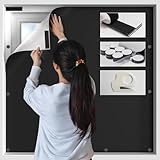
2. Keep the Room Dark at Night
Dark rooms help babies sleep longer 🌙
Blackout curtains seriously help.
👉 Baby sleep tip: Try blackout curtains nursery room.


3. Use White Noise
White noise mimics womb sounds and helps babies relax 🤍
Also blocks sudden noises.
👉 Baby sleep tip: Use white noise machine baby sleep.
![Portable Baby Sound Machine [White Noise for Babies Kids Adults][Timer Function][12 Soothing Sounds][Sleep Soother] 15 Hours Battery Life, Travel,Registry,Gifts,Shower,Clips on Baby Stroller](https://m.media-amazon.com/images/I/31ZLxiagpOL._SL160_.jpg)



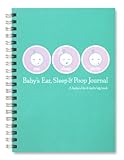
4. Watch for Sleepy Cues
Overtired babies actually sleep WORSE 😭
Look for yawning, rubbing eyes, or fussiness.
👉 Baby sleep tip: Try baby milestone journal sleep tracker.


5. Swaddle Your Baby Safely
Many newborns sleep better when swaddled 🍼
It helps reduce the startle reflex.
👉 Baby sleep tip: Use newborn swaddle blanket soft.


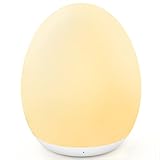
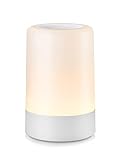
6. Keep Bedtime Calm & Quiet
Too much stimulation before bed makes sleep harder 😩
Lower lights and noise before bedtime.
👉 Baby sleep tip: Try night light nursery dimmable.


7. Make Sure Baby Isn’t Too Hot
Overheating can disturb sleep 🌡️
Dress babies comfortably, not too heavily.
👉 Baby sleep tip: Use baby sleep sack breathable cotton.



8. Feed Baby Before Bedtime
A full tummy can help babies sleep longer 🍼
Dream feeds may help too.
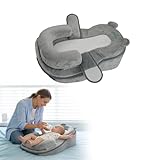
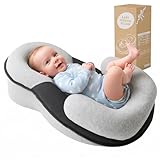
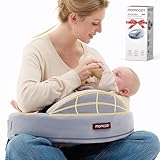
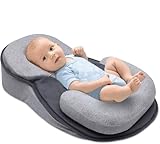
👉 Baby sleep tip: Try baby feeding pillow comfortable.
9. Keep Naps Consistent
Good daytime sleep helps nighttime sleep too ✨
Overtired babies wake more often.
👉 Baby sleep tip: Use baby sleep schedule planner.
No products found.
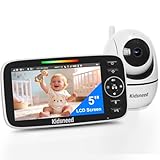
10. Give Baby Time to Settle
Sometimes babies fuss briefly before sleeping 😴
Pause for a moment before immediately picking them up.
👉 Baby sleep tip: Try baby monitor video night vision.



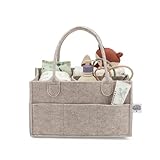
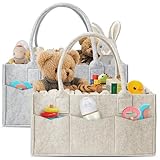
11. Keep Diaper Changes Quick at Night
Bright lights and stimulation fully wake babies 😭
Stay calm and quiet during night changes.
👉 Baby sleep tip: Use portable diaper caddy organizer.


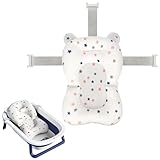
12. Introduce a Calm Bath Routine
Warm baths can feel super relaxing 🛁
Perfect bedtime transition.
👉 Baby sleep tip: Try baby bathtub newborn support.



13. Use Gentle Bedtime Massage
Massage helps babies relax physically 💖
Can calm fussiness before bed.
👉 Baby sleep tip: Use baby massage oil sensitive skin.
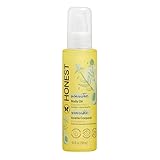


14. Avoid Overstimulation Before Bed
Loud toys and bright screens make sleep harder 😩
Keep evenings calm and cozy.
👉 Baby sleep tip: Try soft nursery lamp warm light.
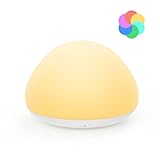

15. Keep the Crib Cozy & Safe
A comfortable sleep environment matters ✨
Always follow safe sleep guidelines.
👉 Baby sleep tip: Use baby crib fitted sheets soft.


16. Keep a Consistent Wake-Up Time
Morning routines help regulate baby sleep ☀️
Consistency matters more than perfection.
👉 Baby sleep tip: Try baby daily routine planner.
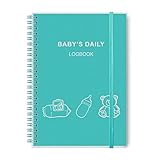


17. Offer Extra Comfort During Sleep Regressions
Sleep regressions are NORMAL 😭💖
Babies go through lots of developmental changes.
👉 Baby sleep tip: Use baby rocking chair nursery comfortable.
No products found.
18. Be Patient with Sleep Changes
Baby sleep constantly changes during the first year 🌙
Progress isn’t always linear.
👉 Baby sleep tip: Try parenting books baby sleep guide.


19. Prioritize Your Own Rest Too
A rested parent handles everything better 💖
Take help whenever possible.
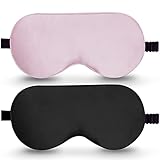
👉 Baby sleep tip: Use silk sleep mask for sleeping.



💭 Final Thoughts
Infant sleep can feel exhausting and unpredictable sometimes 😭💖 But small bedtime habits and a calming sleep environment can make a HUGE difference over time.
These baby sleep tips that help your infant sleep longer are realistic, gentle, and designed to help both babies and parents get more rest ✨🌙
✔ Quick Recap
✔ Consistent bedtime routines matter
✔ White noise and darkness help sleep
✔ Overtired babies wake more often
✔ Calm bedtime environments work best
✔ Sleep progress takes time and patience

