This Post Contains Affiliate Links. Please Read Our Disclosure for Full Information.
Looking for fun ways to develop your toddler’s fine motor skills? Montessori-inspired activities are perfect for encouraging little hands to explore, grasp, sort, and create independently. From simple pouring exercises to colorful stacking games, these 17 Montessori fine motor activities for toddlers are easy to set up, budget-friendly, and wonderful for learning through play.
1. Wooden Peg Stacking Activity
Wooden peg stacking is a wonderful Montessori-inspired activity that helps toddlers practice hand-eye coordination, grasping, and concentration.
What you need: A toddler-safe wooden peg stacking toy.
How to do it: Place the toy on a low table and demonstrate how to fit large wooden rings or pieces onto the pegs. Let your toddler experiment with stacking and removing them independently.
Shop on Amazon: Montessori Wooden Peg Stacking Toys

2. Water Pouring Between Two Cups
Water pouring is a classic Montessori practical life activity that encourages coordination, controlled movement, and independence.
What you need: Two small plastic cups, a shallow tray, and water.
How to do it: Fill one cup with a little water and show your toddler how to pour it slowly into the empty cup. Let them practice transferring the water back and forth over a waterproof tray.
Shop on Amazon: Montessori Water Pouring Sets

3. Large Wooden Bead Threading
Threading large wooden beads helps toddlers practice grasping, coordination, and controlled hand movements.
What you need: An age-appropriate large bead threading set with a sturdy threading tool.
How to do it: Demonstrate how to slide a large bead onto the threading tool, then encourage your toddler to repeat the movement. Start with just two or three beads.
Choose sets designed for your child’s age, without small beads or long loose cords.
Shop on Amazon: Montessori Large Bead Threading Toys

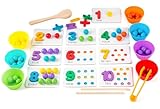
4. Pom-Pom Color Sorting Activity
Color sorting is a fun hands-on activity for introducing matching and early problem-solving.
What you need: Oversized soft pom-poms and matching colored bowls.
How to do it: Place a few large pom-poms on a tray and demonstrate sorting them by color. Encourage your toddler to pick up each one and place it into the corresponding bowl.
For younger toddlers who still mouth objects, skip loose pom-poms and use large solid sorting toys instead.
Shop on Amazon: Toddler Color Sorting Toys

5. Wooden Shape Sorter Activity
Shape sorters are excellent for developing fine motor coordination and early spatial awareness.
What you need: A Montessori-inspired wooden shape sorter.
How to do it: Show your toddler how to match one large wooden shape to its corresponding opening. Allow them to explore different shapes without rushing to correct mistakes.
Shop on Amazon: Montessori Wooden Shape Sorters

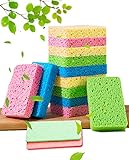
6. Sponge Squeezing Water Transfer
Sponge squeezing is a simple practical life activity that strengthens hand muscles while introducing cause and effect.
What you need: Two shallow bowls, a large clean sponge, and a little water.
How to do it: Fill one bowl with water and leave the other empty. Show your toddler how to dip the sponge, lift it, and squeeze the water into the second bowl.
Place everything on a waterproof tray and supervise throughout.
Shop on Amazon: Large Soft Sponges for Kids
7. Montessori Object Posting Box
Posting activities help toddlers practice precise hand movements while learning how objects fit through openings.
What you need: A wooden posting box with large, age-appropriate pieces.
How to do it: Demonstrate dropping one wooden disc or shape through the matching slot. Let your toddler repeat the action and discover how to retrieve the pieces.
Shop on Amazon: Montessori Object Permanence Boxes

8. Toddler Play Dough Rolling Activity
Play dough is a fantastic sensory activity that encourages squeezing, pressing, rolling, and creative exploration.
What you need: Age-appropriate non-toxic play dough and a small rolling pin.
How to do it: Show your toddler how to roll the dough into a ball, flatten it with their palms, and use a rolling pin to make simple shapes.
Supervise closely to prevent eating the dough, and avoid recipes containing allergens your child needs to avoid.
Shop on Amazon: Toddler Play Dough Tool Sets

9. Wooden Puzzle with Large Knobs
Large-knob puzzles are especially helpful for younger toddlers learning to coordinate their fingers and hands.
What you need: A wooden puzzle with large easy-grip knobs.
How to do it: Remove two puzzle pieces and demonstrate placing one into its matching space. Encourage your toddler to try independently before introducing additional pieces.
Shop on Amazon: Montessori Wooden Knob Puzzles

10. Clothespin Squeezing Activity
Clothespin activities are useful for older toddlers who are ready to practice controlled finger movements.
What you need: Large, easy-squeeze toddler-safe clips and a sturdy cardboard edge.
How to do it: Demonstrate how to squeeze a clip open and attach it to the cardboard. Let your toddler practice placing and removing the clips.
Use only age-appropriate clips with no detachable small parts, and supervise closely.
Shop on Amazon: Large Fine Motor Clips for Toddlers
11. Montessori Busy Board Activity
A busy board introduces everyday movements like turning, sliding, fastening, and opening.
What you need: An age-appropriate Montessori-inspired busy board.
How to do it: Place the board on a stable surface and demonstrate one feature at a time. Let your toddler explore oversized switches, sliders, and securely attached fasteners at their own pace.
Avoid boards with accessible batteries, loose hardware, sharp edges, or detachable magnets.
Shop on Amazon: Montessori Busy Boards for Toddlers

12. Scoop and Transfer Activity
Scooping helps toddlers practice coordination and controlled movements while completing a simple task independently.
What you need: Two bowls, a large spoon, and oversized soft play items.
How to do it: Place a few large fabric balls in one bowl. Demonstrate scooping one at a time and transferring them to the second bowl.
Avoid dried beans, rice, and small sensory fillers for toddlers who might put materials in their mouths.
Shop on Amazon: Montessori Scooping and Transferring Sets

13. Stacking Wooden Rings
Ring stacking encourages hand-eye coordination, concentration, and learning about different sizes.
What you need: A wooden ring stacking toy with large, toddler-safe pieces.
How to do it: Demonstrate sliding a ring onto the center post. Allow your toddler to stack the rings in any order before introducing simple size comparisons.
Shop on Amazon: Montessori Wooden Ring Stackers


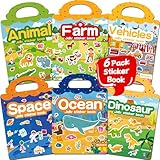
14. Sticker Peeling and Pasting
Peeling stickers is a surprisingly effective way to encourage finger control, coordination, and creativity.
What you need: Large toddler-friendly stickers and construction paper.
How to do it: Slightly lift the edge of a sticker to make it easier to grasp. Encourage your toddler to peel it off and place it anywhere on the paper.
Use large stickers and supervise children who still mouth craft supplies.
Shop on Amazon: Large Reusable Stickers for Toddlers
15. Toddler Dressing Frame Practice
Dressing frames introduce practical skills that toddlers can gradually use when getting dressed.
What you need: A Montessori dressing frame with large buttons, zippers, or hook-and-loop fasteners.
How to do it: Demonstrate opening and closing one fastener slowly. Encourage your toddler to practice the movement independently and celebrate their effort.
Start with simple hook-and-loop closures before moving to more challenging fasteners.
Shop on Amazon: Montessori Dressing Frames

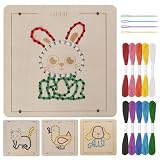
16. Wooden Lacing Board Activity
Lacing boards help older toddlers practice coordination, concentration, and controlled hand movements.
What you need: An age-rated wooden lacing board with a short, sturdy lace.
How to do it: Demonstrate threading the lace through one large hole, then invite your toddler to try. Begin with a simple pattern before introducing more challenging designs.
Use only under direct supervision, and put the lace away after play.
Shop on Amazon: Montessori Wooden Lacing Boards
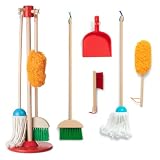
17. Practical Life Table Wiping Activity
Table wiping is a wonderful Montessori practical life activity that helps toddlers build confidence while practicing coordinated hand movements.
What you need: A small washable cloth, a child-sized table, and a little water.
How to do it: Lightly dampen the cloth and demonstrate wiping the table using slow circular movements. Let your toddler repeat the action and hang the cloth to dry afterward.
Shop on Amazon: Child-Sized Montessori Cleaning Sets
Best Montessori Fine Motor Activities by Age
Every toddler develops at their own pace, but this quick guide can help you choose suitable activities.
| Age | Activities to try |
|---|---|
| 12–18 months | Large ring stacking, knob puzzles, object posting boxes |
| 18–24 months | Shape sorting, water pouring, sponge squeezing, large stickers |
| 2–3 years | Play dough rolling, scooping, simple dressing frames, beginner lacing with supervision |
| 3 years and older | More challenging lacing, clips, sorting patterns, and dressing activities |
These are approximate age ranges. Always follow toy age ratings and consider your child’s abilities and tendency to put objects in their mouth.
Tips for Setting Up Montessori Fine Motor Activities at Home
- Keep activities simple: Introduce one activity at a time to encourage concentration.
- Use low shelves: Display a few activities where toddlers can access them safely.
- Demonstrate slowly: Show each movement before inviting your child to try.
- Encourage independence: Allow time for exploration without constantly correcting mistakes.
- Rotate activities: Change a few toys every week to maintain interest.
- Follow your toddler’s interests: Choose activities that match what they enjoy exploring.
- Prioritize safety: Avoid small loose objects, water beads, button batteries, accessible magnets, and long cords.
Final Thoughts
Montessori fine motor activities are a wonderful way to support your toddler’s development through everyday play. Whether your little one enjoys pouring water, stacking rings, solving puzzles, or practicing practical life skills, these activities encourage curiosity, coordination, and independence.
Start with two or three simple activities, create a calm learning space, and enjoy watching your toddler build new skills at their own pace!