This Post Contains Affiliate Links. Please Read Our Disclosure for Full Information.
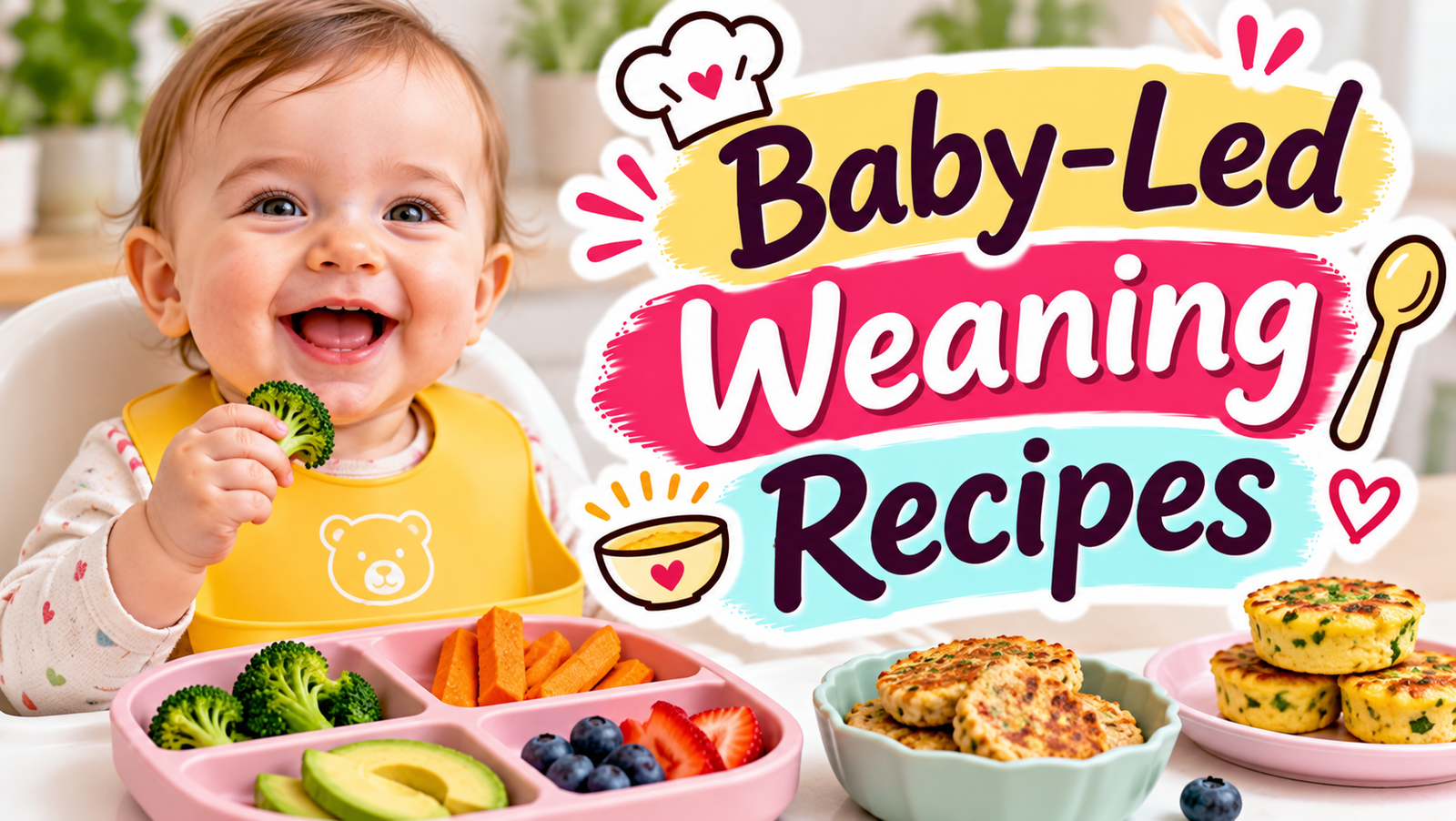
Looking for easy baby-led weaning lunch ideas that your little one can actually hold and enjoy? These 17 soft finger food lunches are perfect for babies learning to self-feed. From veggie patties to tender chicken and mini pancakes, these simple recipes offer nutritious ingredients, gentle textures, and plenty of variety for babies around 6–12 months.
Disclosure: This post contains affiliate links. As an Amazon Associate, we earn from qualifying purchases at no additional cost to you.
Before You Start: Baby-Led Weaning Lunch Safety
Most babies can begin exploring solid foods around 6 months when they show developmental signs of readiness. Always adjust the shape and texture of foods to your baby’s individual eating skills.
- Offer soft foods that squash easily between your fingers.
- For beginners, finger-length strips and soft, graspable pieces are often easier to manage than tiny pieces.
- Always seat your baby upright and supervise every bite.
- Avoid choking hazards such as whole grapes, whole beans, nuts, raw hard vegetables, and tough meat.
- Introduce common allergens individually before combining them in recipes.
- Avoid honey before 12 months, added salt, and added sugar.
- Continue breast milk or infant formula throughout the first year.
1. Soft Sweet Potato and Lentil Patties
Sweet potatoes and lentils make a nutritious lunch packed with fiber, plant-based protein, and iron.
Cook red lentils until very soft, then combine them with steamed, mashed sweet potato. Shape the mixture into finger-length patties and bake gently until they hold together.
Tip: Keep the patties moist rather than crispy. Pair them with soft broccoli to add vitamin C, which helps with iron absorption.
Shop: Organic Red Lentils on Amazon

2. Tender Chicken and Zucchini Meatballs
Chicken and zucchini meatballs are a protein-rich lunch that can be prepared ahead for busy days.
Mix ground chicken with finely grated zucchini and a little oat flour to help bind the mixture. Shape into soft, elongated meatballs and bake until the chicken reaches 165°F.
Tip: Make sure the meatballs remain moist and break apart easily. Avoid serving dry, rubbery, or oversized pieces.
Shop: Digital Meat Thermometers on Amazon

3. Broccoli and Cheese Mini Egg Muffins
These mini egg muffins combine protein, calcium, and vegetables in a convenient finger-food lunch.
Whisk eggs with finely chopped, steamed broccoli and a small amount of pasteurized, lower-sodium shredded cheese. Pour into mini muffin molds and bake until fully set.
Tip: Introduce egg and dairy separately first. Cut the muffins into soft strips, and avoid browned or rubbery edges.
Shop: Silicone Mini Muffin Pans on Amazon

4. Avocado and Mashed Chickpea Toast Fingers
Avocado and chickpeas create a creamy, satisfying lunch with healthy fats, fiber, and plant-based iron.
Mash thoroughly cooked chickpeas until smooth, then combine with ripe avocado. Spread a thin layer over lightly toasted, soft whole-wheat bread and cut into finger-length strips.
Tip: Remove tough chickpea skins and avoid hard, crunchy toast. Introduce wheat separately before serving this combination.
Shop: No-Salt-Added Chickpeas on Amazon


5. Soft Salmon and Potato Cakes
Salmon and potato cakes provide protein, omega-3 fats, and a soft texture that’s suitable for self-feeding.
Cook salmon thoroughly and remove every bone and the skin. Mix the finely flaked fish with mashed, boiled potato, then shape into flat cakes and gently cook until they hold together.
Tip: Keep the cakes moist without crispy edges. Choose low-mercury salmon and introduce fish separately because it is a common allergen.
Shop: Fish Bone Removal Tweezers on Amazon

6. Soft Carrot and Oat Pancakes
Savory carrot pancakes are an affordable way to include vegetables in your baby’s lunch.
Steam or boil finely grated carrots until tender, then mix with oat flour and enough water to form a thick batter. Cook small pancakes thoroughly over low heat.
Tip: Serve the pancakes in moist, finger-length strips. Make sure the carrot is completely soft and the pancakes have no hard crust.
Shop: Organic Oat Flour on Amazon

7. Soft Tofu and Sweet Potato Fingers
Tofu and sweet potato make a gentle plant-based lunch that provides protein, healthy carbohydrates, and some iron.
Mash steamed sweet potato with firm silken tofu, adding a little oat flour if needed. Shape into finger-length pieces and bake gently until just firm enough to hold together.
Tip: The fingers should squash easily and stay moist inside. Introduce soy separately before preparing this recipe.
Shop: Baby Silicone Baking Mats on Amazon

8. Turkey and Pumpkin Mini Patties
Ground turkey and pumpkin create soft, protein-rich patties with a naturally mild flavor.
Combine ground turkey with plain pumpkin puree and a little finely ground oats. Shape into thin, elongated patties and cook thoroughly until the centers reach 165°F.
Tip: Use plain pumpkin puree rather than sweetened pie filling. Keep the patties tender and moist, without a tough crust.
Shop: Plain Pumpkin Puree on Amazon
9. Cauliflower and Potato Veggie Tots
Homemade cauliflower tots are a fun alternative to store-bought finger foods.
Steam cauliflower and peeled potatoes until completely soft. Mash together, shape into short, thick fingers, and bake gently until the pieces hold their shape.
Tip: Skip added salt and avoid making the tots crunchy. They should remain soft enough to flatten with gentle pressure.
Shop: Stainless Steel Vegetable Steamer Baskets on Amazon

10. Spinach and Ricotta Omelet Strips
Spinach and ricotta omelet strips provide protein, calcium, and a little plant-based iron.
Whisk eggs with finely chopped, cooked spinach and a small amount of pasteurized ricotta cheese. Cook gently until the omelet is completely set, then cut into soft strips.
Tip: Avoid runny eggs or tough browned edges. Introduce egg and dairy separately before combining them.
Shop: Small Nonstick Omelet Pans on Amazon

11. Beef and Butternut Squash Meatballs
Beef provides heme iron and zinc, while butternut squash helps keep these baby-friendly meatballs moist.
Combine lean ground beef with cooked, mashed butternut squash. Shape into soft, elongated meatballs and bake until the centers reach 160°F.
Tip: Avoid dry meatballs or firm outer crusts. Serve with tender, steamed broccoli for additional vitamin C.
Shop: Baby Food Cooking Thermometers on Amazon
12. Soft Quinoa and Zucchini Fritters
Quinoa fritters are a useful vegetarian lunch option that introduces grains, vegetables, and new textures.
Cook quinoa with extra water until very soft. Mix with finely grated, cooked zucchini and mashed sweet potato, then form flat fritters and gently bake until set.
Tip: Keep the fritters moist and cohesive so the grains don’t scatter into dry, crumbly pieces.
Shop: Organic White Quinoa on Amazon

13. Soft Pasta with Creamy Avocado Sauce
Soft pasta with avocado sauce makes a quick lunch that babies can explore with their hands.
Cook large, easy-to-grasp pasta shapes until very soft. Mash ripe avocado with a little water, then coat the pasta lightly.
Tip: Avoid firm or chewy pasta. Introduce wheat separately, and choose shapes and sizes your baby can safely manage.
Shop: Organic Whole-Wheat Pasta on Amazon

14. Soft Lentil and Broccoli Fingers
Lentils and broccoli are a nutritious combination that offers plant-based iron, protein, and vitamin C.
Cook red lentils until very soft and steam broccoli until tender. Mash together with a little oat flour, shape into soft fingers, and bake gently until they hold together.
Tip: The fingers should remain moist and mash easily. Make sure there are no firm broccoli stems or dry lentil pieces.
Shop: Baby Silicone Suction Plates on Amazon

15. Chicken and Sweet Potato Mini Burgers
These mini chicken burgers offer protein and iron in a soft, easy-to-hold lunch.
Mix ground chicken with cooked, mashed sweet potato and a little oat flour. Shape into thin, finger-length patties and cook thoroughly to 165°F.
Tip: Skip salty sauces and seasonings. Serve the patties moist and tender, breaking them into appropriate pieces as your baby’s skills develop.
Shop: Nonstick Mini Frying Pans on Amazon

16. Soft Egg and Vegetable Pancakes
Egg and vegetable pancakes are a simple way to turn leftover cooked vegetables into a nutritious lunch.
Whisk an egg with finely mashed, cooked carrots and zucchini. Add a little oat flour, then cook small, thin pancakes until completely set.
Tip: Introduce egg separately first. Cut into soft strips and avoid leaving firm vegetable chunks in the batter.
Shop: Silicone Baby Cooking Spatulas on Amazon

17. Soft Black Bean and Pumpkin Patties
Black beans and pumpkin make a budget-friendly, plant-based lunch with iron, fiber, and a naturally creamy texture.
Mash thoroughly cooked black beans with plain pumpkin puree and a little oat flour. Shape into flat, finger-length patties and bake gently until they hold together.
Tip: Remove tough bean skins and ensure no whole beans remain. Keep the patties soft rather than crispy.
Shop: No-Salt-Added Black Beans on Amazon

Baby-Led Weaning Lunch Ideas by Age
Every baby develops eating skills at a different pace, so use these age ranges as general guidance rather than strict rules.
| Baby’s Age | Lunch Ideas to Try |
|---|---|
| 6–7 months | Very soft sweet potato patties, tender omelet strips, moist vegetable fingers, and mashed foods on preloaded spoons |
| 7–9 months | Soft meatballs, salmon cakes, veggie fritters, and well-cooked pasta |
| 9–12 months | A wider variety of soft family foods, small patties, and appropriately sized pieces as chewing and grasping skills improve |
Always prioritize your baby’s developmental readiness and ability to manage food textures over their exact age.
Tips for Preparing Baby-Led Weaning Lunches
Preparing lunch doesn’t need to take hours. A few simple habits can make everyday feeding easier.
- Cook vegetables ahead: Steam sweet potatoes, carrots, broccoli, and zucchini for quick recipes.
- Make soft patties in batches: Freeze cooked, cooled portions for convenient future meals.
- Include iron-rich foods: Rotate beef, chicken, lentils, beans, tofu, and iron-fortified grains.
- Keep textures moist: Avoid dry, tough, crunchy, or sticky foods that are difficult for babies to manage.
- Offer variety: Include vegetables, grains, proteins, and healthy fats throughout the week.
- Practice food safety: Refrigerate cooked foods promptly, reheat leftovers thoroughly, and discard food left on your baby’s plate.
Frequently Asked Questions
What can a 6-month-old eat for lunch with baby-led weaning?
Babies who are developmentally ready for solids can try soft sweet potato fingers, tender broccoli, moist lentil patties, soft omelet strips, and appropriately prepared meat or fish. All foods should be prepared in safe textures and served under close supervision.
Can babies eat meatballs at 6 months?
Yes, some babies can manage soft, moist meatballs from around 6 months. Meat must be thoroughly cooked, free of bones, and prepared so it breaks apart easily. Avoid tough, dry, or rubbery textures.
What are the easiest finger foods for baby-led weaning?
Soft avocado wedges, steamed sweet potato, tender broccoli florets, omelet strips, and moist vegetable patties are convenient starting options.
How many foods should I serve for lunch?
There is no fixed number of foods required at every meal. Begin with small portions of familiar, safely prepared foods and gradually offer more variety as your baby develops eating skills. Follow hunger and fullness cues rather than encouraging your baby to finish a plate.
Can I freeze homemade baby-led weaning lunches?
Yes. Many cooked patties, meatballs, and vegetable cakes can be frozen in small portions. Cool them promptly, freeze in airtight containers, thaw safely, and reheat thoroughly before cooling to a safe serving temperature.
Final Thoughts
These 17 baby-led weaning lunch ideas with soft finger foods make it easier to prepare nutritious meals without spending all day in the kitchen.
Whether you’re serving sweet potato patties, tender chicken meatballs, or soft vegetable pancakes, focus on safe textures, balanced ingredients, and letting your baby explore food at their own pace. Keep mealtimes relaxed, embrace the mess, and enjoy watching your little one develop new eating skills!