
This Post Contains Affiliate Links. Please Read Our Disclosure for Full Information.
Feeding your baby can feel overwhelming sometimes 😭🍼
One minute you’re worrying if they’re eating enough… and the next you’re googling random things at 2AM wondering why they suddenly hate vegetables 💀✨
The truth is, baby feeding doesn’t need to be perfect to support healthy growth and development 💖
These 17 baby feeding tips for healthy growth and development will help make mealtimes easier, healthier, and way less stressful for both babies and parents ☁️🌿
Whether you’re breastfeeding, bottle feeding, starting solids, or dealing with a picky eater phase, these tips can help create healthier feeding habits while supporting your baby’s growth 💅🍼
🍼 1. Feed on a Consistent Schedule
Babies thrive on routines ✨
👉 Feeding tip: Try to keep feeding times fairly consistent each day
🛍 Shop here: baby feeding schedule planner
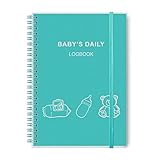


🌿 2. Watch Hunger Cues Carefully
Crying isn’t the only hunger signal 👀
👉 Feeding tip: Look for rooting, sucking motions, or hand chewing
🛍 Shop here: newborn baby essentials set


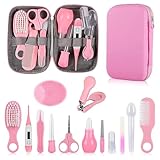
🥣 3. Introduce Solids Slowly
Starting solids is exciting but can feel messy 😭✨
👉 Feeding tip: Introduce one new food at a time
🛍 Shop here: baby first feeding set


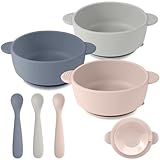

🍓 4. Offer Colorful Fruits and Vegetables
Variety supports healthy development 🌈💖
👉 Feeding tip: Bright colorful foods expose babies to different nutrients
🛍 Shop here: baby food storage containers


![VITEVER [16 Pack] 4 oz Small Containers with Lids, Reusable Plastic Jars for Snack and Puree, Salad Dressing Container to Go, Deli Containers, Freezer Baby Food Containers, Dishwasher Safe, BPA Free](https://m.media-amazon.com/images/I/41fnLIEevxL._SL160_.jpg)

💧 5. Keep Babies Properly Hydrated
Hydration matters even for little ones ☁️
👉 Feeding tip: Follow pediatric guidance for water intake by age
🛍 Shop here: baby sippy cup set


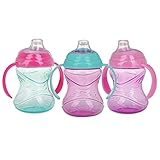

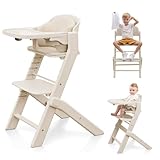
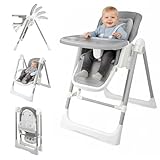
🪑 6. Use a Comfortable High Chair
A supportive feeding setup makes meals easier 💅
👉 Feeding tip: Keep babies sitting upright during meals
🛍 Shop here: adjustable baby high chair


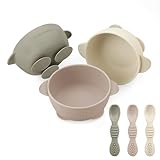
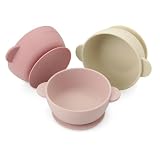
🥑 7. Include Healthy Fats
Healthy fats support brain development 🌿✨
👉 Feeding tip: Avocados and yogurt are great options for many babies
🛍 Shop here: silicone baby feeding bowls

🍽️ 8. Let Babies Explore Food Textures
Messy eating actually helps development 😭✨
👉 Feeding tip: Different textures help oral and sensory skills
🛍 Shop here: baby weaning bib set
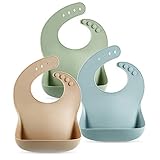
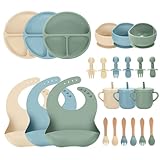
🌸 9. Avoid Too Much Sugar
Babies don’t need sugary foods early on 👀
👉 Feeding tip: Focus on naturally sweet fruits instead
🛍 Shop here: healthy baby snack containers


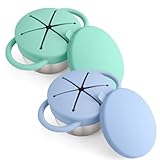
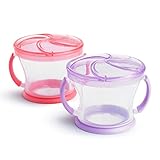
🥄 10. Encourage Self-Feeding Slowly
Independent eating builds confidence 💖
👉 Feeding tip: Soft finger foods work great for practice
🛍 Shop here: baby safe self feeding utensils
No products found.
☀️ 11. Create Calm Mealtime Environments
Too much distraction can make feeding stressful 😭
👉 Feeding tip: Reduce screens and loud noise during meals
🛍 Shop here: portable baby high chair seat


🌿 12. Don’t Force Babies to Finish Meals
Appetite changes are normal 👀
👉 Feeding tip: Let babies learn natural hunger and fullness cues
🛍 Shop here: baby divided suction plates


🍌 13. Repeat Foods Multiple Times
Babies often reject foods before eventually liking them 😭✨
👉 Feeding tip: Keep offering healthy foods without pressure
🛍 Shop here: baby meal prep freezer trays


💖 14. Include Iron-Rich Foods
Iron supports healthy growth and brain development 🌿
👉 Feeding tip: Ask your pediatrician about age-appropriate iron-rich foods
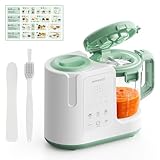
🛍 Shop here: baby food maker machine


🍼 15. Burp Babies Properly After Feeding
This helps reduce discomfort and gas ☁️
👉 Feeding tip: Keep babies upright for a few minutes after feeding
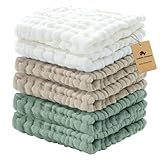
🛍 Shop here: baby burp cloth set



🌸 16. Eat Together as a Family Sometimes
Babies learn by watching others 💖
👉 Feeding tip: Family mealtimes encourage healthy eating habits
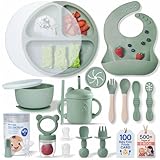
🛍 Shop here: family dinnerware set


✨ 17. Be Patient During Feeding Stages
Every baby develops differently 🌿✨
👉 Feeding tip: Progress matters more than perfection
🛍 Shop here: baby feeding essentials kit



💖 Final Thoughts
Baby feeding journeys can feel messy, emotional, and sometimes stressful — but small healthy habits can make a huge difference over time ✨🍼
The goal isn’t perfection.
It’s helping your baby build a healthy relationship with food while supporting their growth, development, and overall well-being 💖☁️
And honestly?
Patience, consistency, and love matter way more than perfectly Instagram-worthy meals 🌸✨
✔ Quick Summary
✔ Follow hunger cues and feeding routines 🍼
✔ Introduce healthy foods slowly and consistently
✔ Encourage self-feeding and food exploration 🌿
✔ Create calm and positive mealtime experiences
✔ Focus on progress instead of perfection 💖

