
This Post Contains Affiliate Links. Please Read Our Disclosure for Full Information.
Toddler parenting can feel like emotional survival mode sometimes 😭💀
One minute they’re hugging you and being adorable… the next they’re crying because you peeled their banana wrong 🍌✨
And honestly? Yelling usually just makes everyone feel worse 😭🤍
The good news is that discipline does not have to mean shouting, fear, or constant punishment. Toddlers actually respond way better to calm, consistent, simple boundaries that help them feel safe and understood 😌💖
These 15 simple ways to discipline toddlers without yelling can help reduce power struggles, tantrums, and stress while creating a calmer home for everyone 🌿✨
Because gentle discipline is about teaching — not terrifying 😭🤍
🌿 1. Stay Calm First
Toddlers mirror your energy SO quickly 😭
👉 Parenting tip: Pause and take a deep breath before reacting
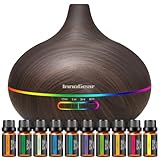
🛍 This calming essential oil diffuser helps create a calmer home atmosphere


✨ 2. Get Down to Their Eye Level
Toddlers listen better when you connect calmly 😌
👉 Parenting tip: Kneel down instead of talking from across the room
🛍 This comfy floor cushion for parents makes floor time more comfortable


🤍 3. Keep Rules Simple and Consistent
Too many rules overwhelm toddlers fast 😭
👉 Parenting tip: Focus on a few clear consistent boundaries
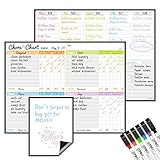
🛍 This cute family routine chart helps toddlers understand routines visually



🧸 4. Redirect Instead of Arguing
Toddlers usually respond better to redirection than lectures 😌✨
👉 Parenting tip: Offer another activity before meltdowns escalate
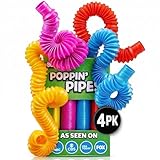
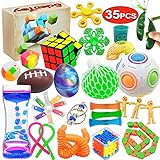
🛍 These engaging sensory toys for toddlers help redirect energy positively


💖 5. Validate Their Feelings
Toddlers have BIG emotions in tiny bodies 😭✨
👉 Parenting tip: Acknowledge feelings before correcting behavior
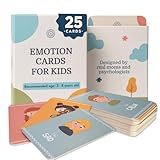
🛍 These helpful emotion flash cards for toddlers help teach emotional understanding



🕒 6. Give Warnings Before Transitions
Toddlers hate sudden changes 😭
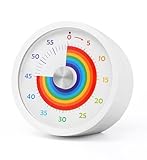
👉 Parenting tip: Give a 5-minute warning before ending activities
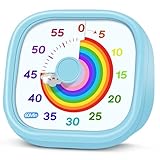
🛍 This cute visual timer for kids helps transitions feel smoother


🌈 7. Offer Limited Choices
Toddlers LOVE feeling independent 😌✨
👉 Parenting tip: Offer two simple choices instead of saying “no” constantly
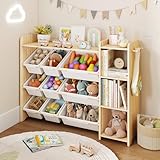
🛍 These adorable toddler storage bins make independent cleanup easier


🚫 8. Avoid Long Lectures
Toddlers stop listening FAST 😭✨
👉 Parenting tip: Use short simple sentences instead
🛍 This calming parenting book for toddlers offers helpful gentle discipline strategies


🧺 9. Use Natural Consequences
Toddlers learn best through simple experiences 😌
👉 Parenting tip: Let safe natural consequences teach lessons
🛍 These practical toy organization shelves make cleanup routines easier


🌿 10. Create Calm-Down Spaces
Toddlers sometimes need help regulating emotions ✨
👉 Parenting tip: Create a cozy calm corner instead of punishment zones
🛍 This soft kids reading nook tent creates a peaceful calming space


✨ 11. Catch Good Behavior Often
Toddlers repeat behaviors that get attention 😌💖
👉 Parenting tip: Praise positive behavior more than mistakes
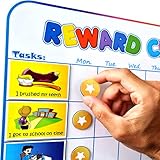
🛍 These cute reward sticker charts encourage positive habits gently


💤 12. Prioritize Sleep and Routine
Overtired toddlers melt down WAY faster 😭💀
👉 Parenting tip: Consistent sleep routines reduce behavior struggles
🛍 This soothing sound machine for toddlers helps bedtime feel calmer


🍎 13. Prevent Problems Before They Start
Hungry, tired, overstimulated toddlers struggle more 😭✨
👉 Parenting tip: Snacks and routines prevent many meltdowns
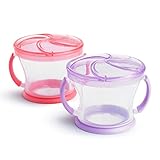
🛍 These handy snack containers for toddlers make busy days easier



🤍 14. Model the Behavior You Want
Toddlers copy EVERYTHING 😭✨
👉 Parenting tip: Stay respectful even during hard moments
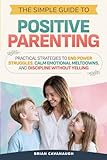
🛍 This helpful positive parenting guide offers gentle parenting strategies


💖 15. Remember That Connection Comes First
Toddlers behave better when they feel safe and connected 😌✨
👉 Parenting tip: Spend small moments playing and connecting daily
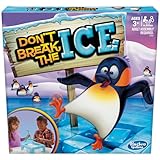
🛍 These fun family board games for toddlers encourage quality family bonding time



💖 Final Thoughts
Toddler discipline doesn’t have to mean yelling, punishment, or constant power struggles ✨🌿
The biggest thing toddlers really need is calm guidance, consistency, connection, and simple boundaries that help them feel safe while learning 😌🤍
And honestly? Parents deserve grace too because toddler parenting is HARD sometimes 😭💖
Small calm responses really do make a huge difference over time ✨
✔ Quick Summary
✔ Stay calm before reacting 🌿
✔ Keep rules simple and consistent ✨
✔ Redirect instead of arguing 🧸
✔ Validate toddler emotions 💖
✔ Connection helps behavior improve naturally 🤍

