
This Post Contains Affiliate Links. Please Read Our Disclosure for Full Information.
Family dinners are a wonderful opportunity to reconnect, but getting kids to talk about their day isn’t always easy. Ask, “How was school?” and you might get the classic one-word answer: “Fine.”
That’s where these 25 family dinner conversation starters come in! From silly questions to thoughtful discussions, these simple ideas help kids share stories, express feelings, and enjoy meaningful family conversations without making dinner feel like an interview.
1. What Was the Best Part of Your Day?
Sometimes the simplest questions lead to the sweetest conversations.
Instead of asking your child to summarize their entire day, invite them to share one favorite moment. It could be something exciting, like winning a game at recess, or something small, like getting an extra hug from a friend.
Encourage everyone at the table to answer, including parents.
A family conversation card deck can help turn this question into a regular dinner tradition.
🛍️ Shop Family Conversation Card Decks on Amazon

✨ Parenting Tip: Share your own favorite moment first. Kids often open up more easily when they see adults participating.
2. If You Could Have Any Superpower, What Would It Be?
This imaginative question can turn an ordinary family dinner into a hilarious discussion.
Would your child choose flying, invisibility, super speed, or the ability to talk to animals?
Ask what they would do with their powers and whether they’d use them to help others.
A superhero storytelling card set can inspire even more imaginative answers and creative adventures.
🛍️ Shop Superhero Storytelling Cards on Amazon

✨ Parenting Tip: Avoid judging unusual answers. The sillier the response, the more entertaining the conversation can become!
3. What Made You Laugh Today?
Laughter is a wonderful way to help everyone relax around the dinner table.
Ask each family member to share something funny that happened during the day. Maybe someone told a hilarious joke, a pet did something ridiculous, or a classmate made everyone giggle.
If your child can’t remember anything funny, invite them to tell their favorite joke instead.
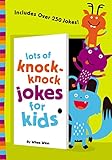
A kids’ joke book can provide backup material for those quiet evenings.
🛍️ Shop Joke Books for Kids on Amazon

✨ Parenting Tip: Laugh together without making fun of anyone. Keep the conversation playful and kind.
4. If You Could Invent a New Holiday, What Would It Celebrate?
Imagine a holiday dedicated entirely to pizza, puppies, pajamas, or unlimited playground time.
Ask your kids what their dream holiday would celebrate and how people would spend the day.
Would everyone wear costumes? Exchange presents? Eat special foods?
A blank drawing notebook for kids gives children a place to sketch their imaginary holiday decorations and traditions after dinner.
🛍️ Shop Blank Drawing Notebooks on Amazon

✨ Parenting Tip: Choose one realistic part of your child’s imaginary holiday and turn it into a fun family activity.
5. What Is Something You’re Proud of This Week?
This question encourages children to recognize their own progress and accomplishments.
Their answer doesn’t need to involve trophies, grades, or big achievements.
Maybe they learned to tie their shoes, helped a younger sibling, tried something difficult, or made a new friend.
A kids’ confidence and self-esteem journal can help children remember moments they’re proud of.
🛍️ Shop Kids’ Confidence Journals on Amazon

✨ Parenting Tip: Celebrate effort, kindness, and persistence rather than focusing only on results.
6. If Our Family Could Travel Anywhere, Where Would We Go?
Give everyone permission to dream big!
Ask your kids to imagine the ultimate family vacation. They might choose Disney World, a tropical island, a snowy mountain, or even outer space.
Follow up by asking what they would pack and what activities they would want to try.
A kids’ world atlas can help children discover real destinations and learn about new places.
🛍️ Shop World Atlases for Kids on Amazon

✨ Parenting Tip: Keep a family travel wish list and add everyone’s favorite destination ideas.
7. What Would You Do If You Were the Parent for a Day?
This question can produce some truly entertaining answers.
Your child might announce that bedtime is canceled, dessert is served for breakfast, and homework is officially illegal.
Ask them what rules they’d create and how they would organize the day.
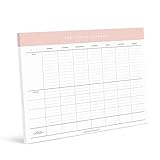
A family activity planner can turn one reasonable suggestion into a weekend adventure.
🛍️ Shop Family Activity Planners on Amazon
✨ Parenting Tip: Listen without immediately correcting unrealistic ideas. The goal is to understand your child’s perspective and enjoy their imagination.
8. What Is One New Food You Would Like to Try?
Family dinners are the perfect setting to talk about food without pressuring children to eat something unfamiliar.
Ask your kids if there’s a dish they’ve seen at a restaurant, in a book, or on television that they’d like to taste.
Encourage them to describe what they imagine it would taste like.
A kid-friendly international cookbook can inspire new recipes to explore together.
🛍️ Shop International Cookbooks for Kids on Amazon

✨ Parenting Tip: Offer opportunities to explore unfamiliar foods without requiring children to taste or finish them.
9. Who Was Kind to You Today?
This thoughtful conversation starter helps children notice positive interactions.
Maybe a teacher offered encouragement, a classmate shared supplies, or a sibling helped them solve a problem.
After listening, ask how that kind action made them feel.
A kindness activity card set for kids provides simple ideas for practicing kindness at home and school.
🛍️ Shop Kindness Activity Cards for Kids on Amazon

✨ Parenting Tip: Share examples of kindness you noticed during your day to help children recognize everyday acts of caring.
10. If You Could Talk to Animals, Which Animal Would You Speak to First?
Would your child interview the family dog, ask a dolphin about the ocean, or discover what squirrels are always so busy doing?
Let everyone choose an animal and imagine the conversation.
Follow up with funny questions like, “What would your pet complain about?” or “What secrets would birds tell us?”
An animal encyclopedia for kids can add fascinating facts to the discussion.
🛍️ Shop Animal Encyclopedias for Kids on Amazon

✨ Parenting Tip: Ask younger children to imitate the animal’s voice or sounds if they’re having trouble describing their answers.
11. What Is Something You Would Like to Learn?
This question can reveal interests your child hasn’t talked about before.
Perhaps they want to learn skateboarding, baking, painting, coding, playing an instrument, or building something.
Ask what makes the activity interesting and how they might start learning.
A kids’ skill-building activity book can offer ideas for discovering new hobbies.
🛍️ Shop Skill-Building Activity Books for Kids on Amazon

✨ Parenting Tip: If your child mentions a realistic interest, look for a small, inexpensive way to explore it before investing in lots of supplies.
12. Would You Rather Live Underwater or in Outer Space?
A silly “Would You Rather” question can quickly transform a quiet dinner into an energetic family debate.
Ask whether your kids would prefer to live in an underwater city surrounded by dolphins or aboard a spaceship exploring new planets.
Encourage them to explain what their home would look like and how they would spend their days.
A Would You Rather book for kids provides plenty of additional questions for future dinners.
🛍️ Shop Would You Rather Books for Kids on Amazon

✨ Parenting Tip: Let kids invent their own two-option questions after everyone answers the first round.
13. What Is Your Favorite Family Memory?
Invite your children to share a moment they loved spending together as a family.
It might be a vacation, birthday party, holiday celebration, movie night, or something as simple as building a blanket fort.
You might be surprised by which memories matter most to them.
A family memory journal creates a special place to record these stories and revisit them later.
🛍️ Shop Family Memory Journals on Amazon

✨ Parenting Tip: Write down funny details and quotes while they’re fresh. Small childhood memories become especially meaningful over time.
14. If You Could Design Your Dream Bedroom, What Would It Look Like?
Let your child’s imagination run wild with this creative conversation starter.
Would their dream bedroom have a slide, a giant reading nook, glowing stars, or a secret tunnel?
Ask about colors, furniture, decorations, and special features.
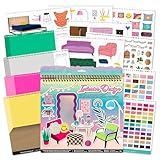
A kids’ interior design sketchbook can help children turn their dream-room ideas into drawings.
🛍️ Shop Interior Design Sketchbooks for Kids on Amazon
✨ Parenting Tip: Consider incorporating one small, practical idea into their real bedroom, such as a new reading corner or homemade artwork.
15. What Is the Nicest Thing Someone Has Ever Said to You?
This question encourages kids to think about encouraging words and meaningful compliments.
Maybe someone praised their creativity, thanked them for helping, or told them they were a good friend.
Ask why those words stayed with them.
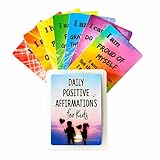
A positive affirmation card set for children can inspire thoughtful discussions about self-worth, kindness, and encouragement.
🛍️ Shop Positive Affirmation Cards for Kids on Amazon
✨ Parenting Tip: End the discussion by sharing one genuine compliment with each family member.
16. If You Opened a Restaurant, What Would You Serve?
This imaginative dinner question is especially fun for kids who love food.
Ask your child to invent their own restaurant, including its name, decorations, menu, and signature dish.
Would it serve rainbow pancakes, dinosaur-shaped pizza, or ice cream for every meal?
A pretend play restaurant menu set can help kids continue the game after dinner.
🛍️ Shop Pretend Play Restaurant Menu Sets on Amazon

✨ Parenting Tip: Let your child name one dish for a future family dinner. Even a silly name can make an ordinary meal more exciting.
17. What Was Something Difficult About Today?
Not every family dinner conversation needs to focus on happy moments.
Giving children a gentle opportunity to discuss challenges can help them feel heard and supported.
Maybe they struggled with homework, had a disagreement with a friend, or felt nervous about something new.
A kids’ feelings and emotions conversation card deck can help children find words for experiences they find difficult to explain.
🛍️ Shop Feelings Conversation Cards for Kids on Amazon

✨ Parenting Tip: Don’t rush to solve every problem. Sometimes children simply want someone to listen, and they should always have the option to talk privately later.
18. If You Could Create a New Invention, What Would It Do?
Invite your children to become inventors for the evening.
Would they design a robot that cleans bedrooms, shoes that help people fly, or a machine that makes any flavor of ice cream?
Ask what problem their invention would solve and who might use it.
A kids’ invention and engineering activity book provides creative inspiration for future projects.
🛍️ Shop Invention Activity Books for Kids on Amazon

✨ Parenting Tip: Encourage kids to explain how their invention works, even if the science is hilariously impossible.
19. What Is One Thing You Love About Our Family?
This conversation starter encourages children to recognize the little traditions that make their family special.
They might mention bedtime stories, weekend pancakes, movie nights, family jokes, or simply spending time together.
Let everyone share something different.
A family gratitude journal can help you preserve these answers and build a collection of meaningful memories.
🛍️ Shop Family Gratitude Journals on Amazon

✨ Parenting Tip: Keep the question open-ended and don’t pressure children to give a particular answer.
20. If You Could Spend a Day with Any Book Character, Who Would It Be?
This question is perfect for kids who enjoy stories and imaginative adventures.
Ask which character they would choose and what they would do together.
Would they explore a magical castle, solve a mystery, or travel through an enchanted forest?
A children’s book character guessing game can introduce new fictional characters and inspire fun discussions.
🛍️ Shop Children’s Character Guessing Games on Amazon

✨ Parenting Tip: If your child doesn’t have a favorite book character, let them choose someone from a movie or cartoon instead.
21. What Is Something You Wish Adults Understood About Kids?
This thoughtful question gives children an opportunity to share their perspective.
They might talk about needing more playtime, feeling frustrated when interrupted, or wanting adults to listen more carefully.
You may hear something surprisingly insightful.
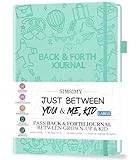
A parent-child communication journal can provide a private space for continuing meaningful conversations outside family dinner.
🛍️ Shop Parent-Child Communication Journals on Amazon
✨ Parenting Tip: Resist the urge to defend every adult rule immediately. Thank your child for sharing their thoughts.
22. What Would Your Perfect Weekend Look Like?
Ask your kids to describe their dream weekend from Saturday morning through Sunday evening.
Would they sleep late, visit a playground, bake cookies, have a movie marathon, or spend time with friends?
Encourage everyone to share a few realistic and unrealistic ideas.
A family weekend planning pad can help turn some of those suggestions into actual plans.
🛍️ Shop Family Weekend Planning Pads on Amazon

✨ Parenting Tip: Choose one affordable activity from your child’s answer to include in an upcoming weekend.
23. If You Could Change One Thing About School, What Would It Be?
This question can reveal what your child enjoys—and what they find challenging—about their school experience.
Maybe they’d add more recess, introduce a pet-friendly classroom, change cafeteria lunches, or create new clubs.
Ask what they would improve and why.
A kids’ creative problem-solving workbook can encourage children to think about ideas and solutions beyond their first suggestions.
🛍️ Shop Creative Problem-Solving Workbooks for Kids on Amazon

✨ Parenting Tip: Listen carefully if your child mentions an ongoing school concern. Save sensitive discussions for a private conversation when needed.
24. What Is Something You’re Looking Forward to?
Anticipation can be a fun and positive topic during family dinner.
Ask your kids what they’re excited about tomorrow, next weekend, or sometime in the future.
Their answers might include a birthday party, a school event, visiting grandparents, or trying a new activity.
A kids’ goal-setting and planning journal gives children a way to record exciting plans and personal goals.
🛍️ Shop Goal-Setting Journals for Kids on Amazon

✨ Parenting Tip: If your child doesn’t have anything specific coming up, brainstorm one small activity they could look forward to together.
25. What Is One Question You Want to Ask Everyone at the Table?
Finish your family dinner conversation with a little role reversal.
Instead of parents asking all the questions, give your child the opportunity to become the conversation leader.
They can ask anything appropriate—from “What’s your favorite dessert?” to “What were you afraid of when you were little?”
A dinner table conversation question jar can become a fun family tradition where everyone contributes their own questions.
🛍️ Shop Dinner Table Conversation Question Jars on Amazon

✨ Parenting Tip: Let each child lead the discussion on different nights. Giving kids ownership makes them more interested in participating.
How to Get Kids Talking at the Dinner Table
Having great family dinner conversation starters is helpful, but how you introduce them matters just as much.
Here are a few simple ways to encourage natural, enjoyable conversations.
- Ask open-ended questions: Instead of questions that lead to yes-or-no answers, invite children to explain their thoughts.
- Avoid making dinner feel like an interview: Choose one or two questions rather than working through an entire list.
- Let everyone participate: Parents and siblings should share their answers too.
- Respect quiet moments: Some children need more time to think, especially after a busy school day.
- Keep conversations positive and supportive: Avoid criticism or embarrassing stories at the table.
- Follow your child’s interests: If a question sparks an exciting discussion, let the conversation continue naturally.
- Make it a routine: Try introducing one fun question each evening or creating a weekly family conversation night.
Remember, the goal isn’t to have perfectly meaningful discussions every night. It’s to help your children feel comfortable sharing their thoughts.
Fun Ways to Turn Dinner Conversations into a Family Tradition
If your kids enjoy these questions, try making them part of your regular family routine.
Create a Conversation Jar
Write fun questions on slips of paper and place them inside a jar. Let a different family member choose the question each evening.
Introduce Question of the Day
Choose one question before dinner and give everyone a chance to answer.
Have a Silly Question Friday
End the school week with funny, imaginative questions that encourage laughter.
Create a Family Memory Book
Write down memorable answers, hilarious quotes, and meaningful conversations in a notebook.
Let Kids Take Turns Leading
Give each child a chance to choose the conversation topic and guide the discussion.
These simple traditions can make everyday dinners feel more connected without adding extra work to your schedule.
Final Thoughts
Meaningful family conversations don’t always begin with serious questions. Sometimes a silly discussion about superpowers, imaginary holidays, or dream vacations is exactly what gets kids talking.
These 25 family dinner conversation starters can help you move beyond one-word answers and create opportunities for laughter, connection, and everyday storytelling.
Start with one question tonight, listen with curiosity, and see where the conversation goes.
Because the most memorable part of family dinner isn’t always what’s on the plate—it’s the time you spend together.